

US midterm elections 2026: What they are, why they matter for Trump and what they mean for India
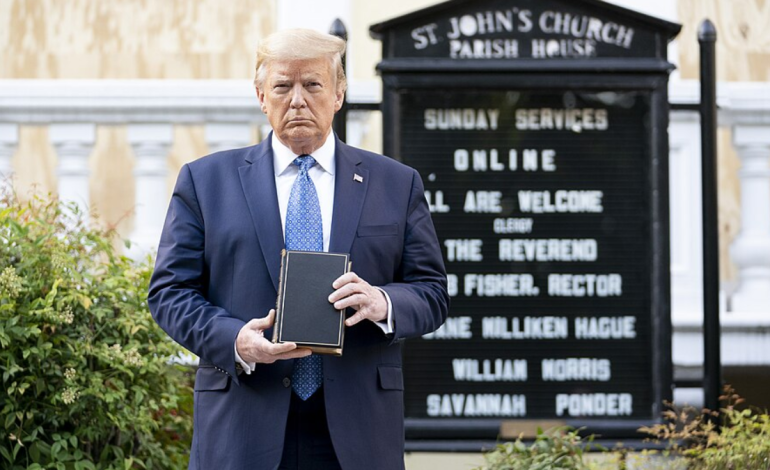
US midterm elections 2026. (Image courtesy: Wikimedia)

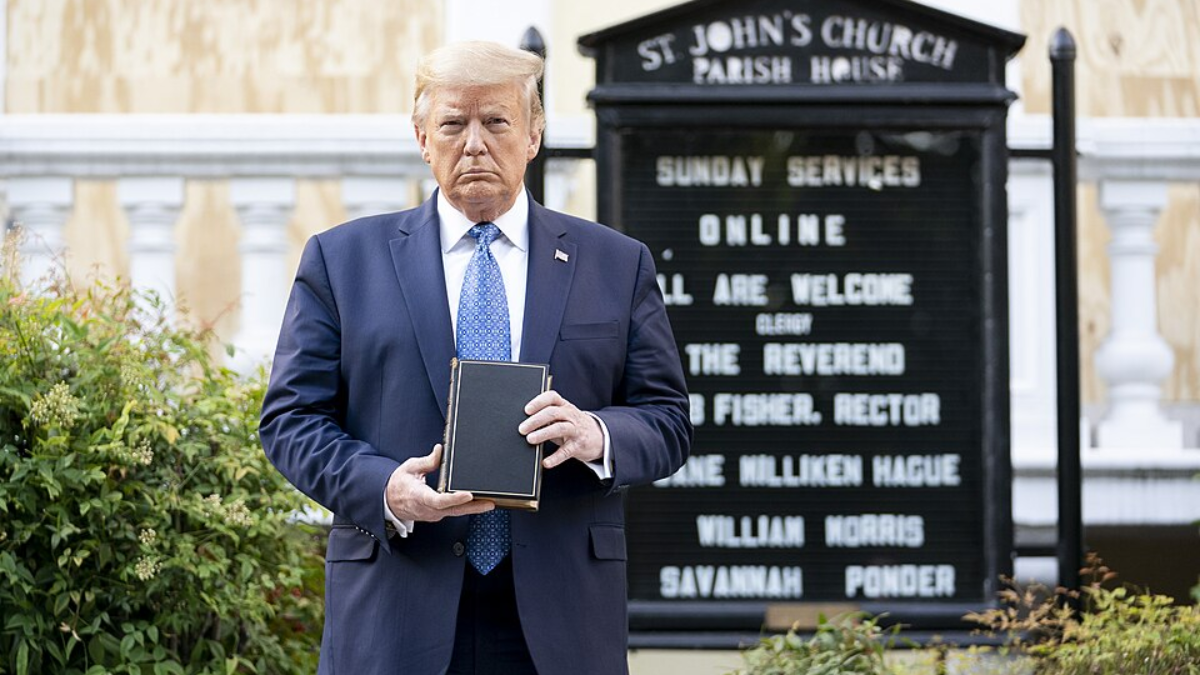
New Delhi: The United States will hold its midterm elections on November 3, 2026, in a crucial political test for the Unites States president, Donald Trump, and his Republican Party. The results will decide which party controls Congress and how easily Trump can advance his policies during the remaining two years of his presidency.
The elections come amid concerns over the US economy, rising fuel prices, immigration and the country’s involvement in the conflict with Iran. The outcome could also affect Washington’s approach to trade, visas and defence cooperation with India.
What are the US midterm elections?
Midterm elections take place halfway through a president’s four-year term. According to USAGov, the US government’s official information portal, voters elect members of Congress, which consists of the US house of representatives and the Senate.
All 435 voting seats in the House and 35 of the Senate’s 100 seats will be contested on November 3, according to the European parliament research service. House members serve two-year terms, while senators serve six-year terms, with roughly one-third of Senate seats contested every two years.
Congress makes federal laws, approves government spending and oversees the executive branch. The party that controls each chamber has greater influence over legislation, investigations and the administration’s ability to secure funding for its priorities.
Why are the midterms important for Trump?
Currently, the Republicans under Trump have a thin majority in both Houses, hence making the election significant for his legislative efforts. Should the Republicans maintain control of the House, then Trump would find it easy to pass his legislation concerning taxes, immigration, and spending among others.
If the Democrats secure control of one of the chambers, they will have the capability to obstruct parts of his legislative plan and investigate his government. But, he will not be removed from office as a result of the mid-term election, and he will still hold the power of presidency.
These result will have an impact on the political climate before the 2028 presidential election when both sides evaluate public opinion and gear up for their next campaign.
Why are the 2026 midterms in the spotlight?
The economy and the rising cost of living have emerged as major concerns ahead of the November 3 elections. An Associated Press-NORC Center for Public Affairs research poll published on October 1 found that only 26 per cent of US adults approved of Donald Trump’s handling of the economy, while just 17 per cent approved of his handling of the cost of living. The poll also found that 65 per cent blamed Trump’s policies, rather than factors outside his control, for persistently high prices.
Rising fuel costs have added to the pressure on Republicans. Reuters reported on October 5 that US diesel prices had reached a record of around $6.50 per gallon in September, with the US-Israeli war on Iran and Russia’s war in Ukraine contributing to higher costs. With Republicans defending narrow majorities in both chambers of Congress, economic concerns could influence voter sentiment ahead of the elections.
Immigration, healthcare, border security and the US conflict with Iran are also shaping the campaign. The results will offer an indication of how voters view Trump’s performance and determine whether Republicans retain control of Congress, although local candidates, turnout and state-level issues will also influence individual races.
How could the elections affect India?
The outcome matters for India because congressional decisions and US government policies can affect Indian exports, professionals working in America and defence cooperation between the two countries.
Trade is an immediate concern, India and the US recently announced a framework for an interim trade agreement in February, but Reuters reported on October 6 that negotiations had stalled over tariffs and market access. Indian goods exports to the US reached $42.79 billion during April-August this year, according to the report. A change in congressional control could increase scrutiny of Trump’s tariff policies, but it would not automatically lead to lower duties or a trade deal.
Immigration is another important issue for Indian professionals, particularly those working in the technology sector under the H-1B visa programme. Trump administration had extended its push for a $100,000 fee on new H-1B applications for another year, while the policy faced legal challenges. Congress may affect the future of immigration legislation and regulation, even though the elections will not immediately alter visa regulations.
It can have further implications in the areas of military and technological cooperation, which includes the aspect of security in the Indo-Pacific region. The relationship between India and Russia with regard to energy and defence has always been considered as a contentious issue for the US.
What happens after the vote?
The new members of the House and Senate who were elected will take up their seats starting from January 2027, thus setting the political complexion of the Congress for the next two years. It will indicate the level of backing enjoyed by Trump in Congress.
Though there is no election for the presidency, the midterms have the potential to influence the rest of Trump’s presidency. The results will be important for India and other US allies since the dynamics of power in Washington will determine policy choices regarding trade, immigration, security, and diplomacy.