

USS Abraham Lincoln ends 321-day Iran war deployment amid crew welfare concerns
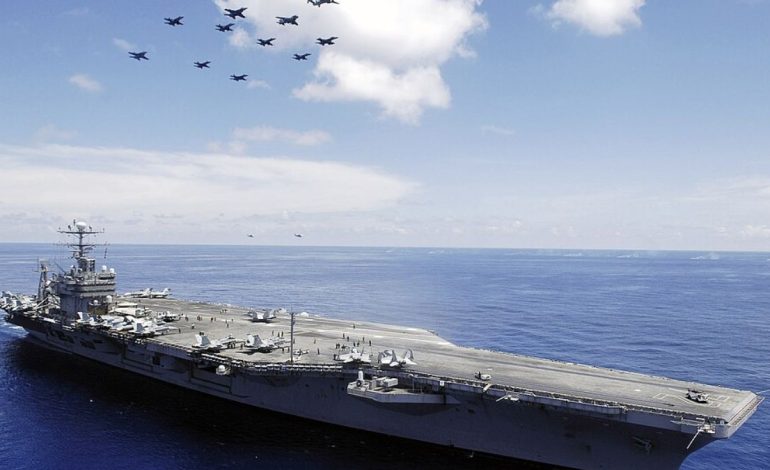
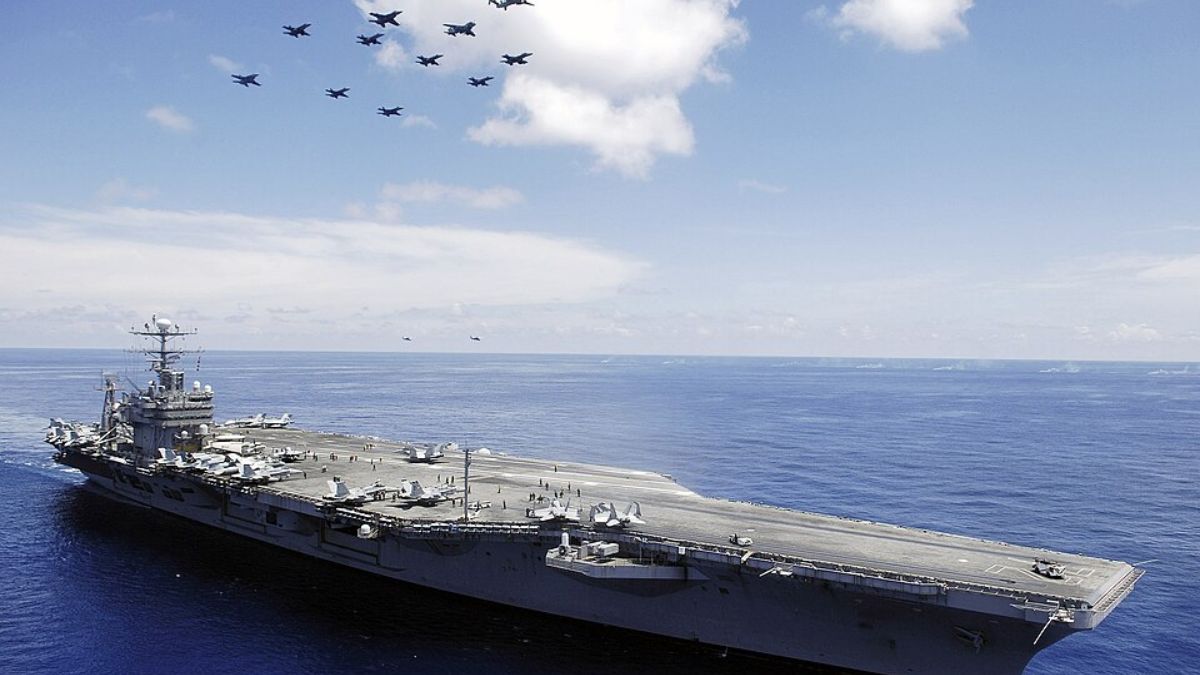
USS Abraham Lincoln. (Image courtesy: Wikimedia Commons.)

New Delhi: The United States aircraft carrier USS Abraham Lincoln returned to San Diego on Thursday after a 321-day deployment that included combat operations against Iran and months without a regular port visit. Its arrival ended nearly 11 months away for thousands of sailors and marines, underscoring both the reach of US naval aviation and the strain of sustaining operations at sea.
The nuclear-powered carrier left California in November 2025, initially for the Indo-Pacific before moving to West Asia in January. It joined Operation Epic Fury after US and Israeli strikes against Iran began on February 28 and subsequently helped enforce a maritime blockade of Iranian ports.
Nearly 11 months of naval operations
The Lincoln’s deployment lasted 321 days, from November 2025 to October 8, 2026. USNI News reported a 265-day period between its December visit to Guam and arrival in Thailand on September 2 without a regular port call. However, the Navy separately recorded a brief logistical stop in Oman in July, identifying 208 uninterrupted days at sea between Guam and Oman.
The deployment fell just short of the 326 days spent away by USS Gerald R Ford, which returned in May after another extended Iran-war deployment. Ford’s voyage was the longest US carrier deployment in the post-Vietnam War era, according to the Associated Press.
The Navy said Lincoln travelled more than 93,000 nautical miles, received over 20.5 million gallons of aviation fuel during 72 replenishments at sea and supported more than 13,000 aircraft sorties. The strike group sustained 40 days of major combat operations before shifting towards maritime blockade enforcement.
Its forces flew 3,693 combat sorties, launched 450 Tomahawk cruise missiles, intercepted 77 one-way attack drones, destroyed 21 anti-ship cruise missiles and sank 64 Iranian warships, according to the US defence secretary, Pete Hegseth. These figures represent American military assessments and have not all been independently verified.
Hegseth presented the strike group with the Presidential Unit Citation on Wednesday, recognizing its combat performance despite two extensions to the deployment. “Yes, it’s hard. That’s why you’re here. You do difficult and hard things,” he told sailors, acknowledging the demands of prolonged service.
Crew welfare concerns and emotional homecoming
The prolonged deployment prompted reports of supply shortages, fatigue, declining morale and mental health concerns among some crew members. The difficulties associated with extended operations and limited replenishment opportunities had surfaced before the carrier’s September stop in Thailand, as RNA Media reported earlier.
Navy leaders initially played down complaints before acknowledging resupply problems. The acting Navy secretary, Hung Cao, said combat operations had temporarily restricted meal choices but maintained that adequate food remained available. The carrier’s commanding officer, captain Daniel Keeler, said sailors had access to four meals daily.
The Navy also disclosed eight attempted suicides among personnel assigned to the wider carrier strike group during the deployment. Cao provided the figures in correspondence with US senator Kirsten Gillibrand, amid growing scrutiny of mental health support during extended naval missions. The incidents were reported across the strike group, not exclusively aboard Lincoln.
The homecoming at Naval Air Station North Island brought families together after months apart. Twenty-year-old sailor Abel Ramirez, returning from his first deployment, described his relief at finally leaving the carrier. “There was a certain point when I never thought I would come off,” he told AP.
Sixty-four fathers met babies born during their absence for the first time, according to the Navy. Including the carrier’s embarked air wing, 122 personnel became fathers during the deployment, Keeler said.
Lincoln’s departure from West Asia did not end American carrier operations in the region. USS George Washington relieved it in August before Lincoln made a port visit to Thailand in September, as RNA Media reported earlier.