

Germany arrests former spy chief August Hanning over espionage and treason charges
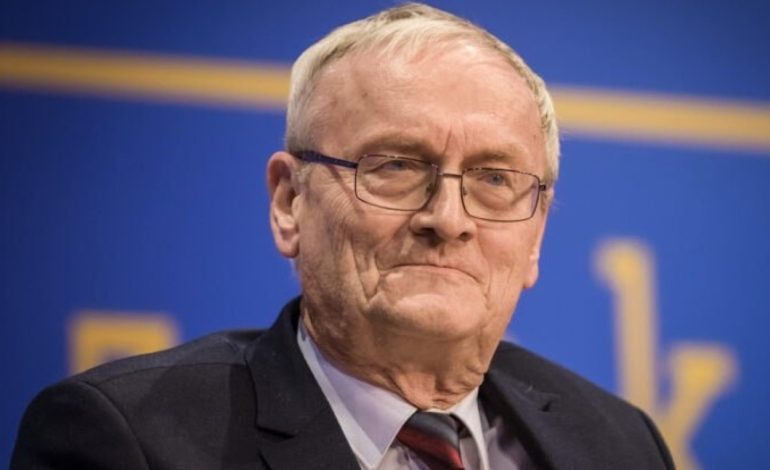
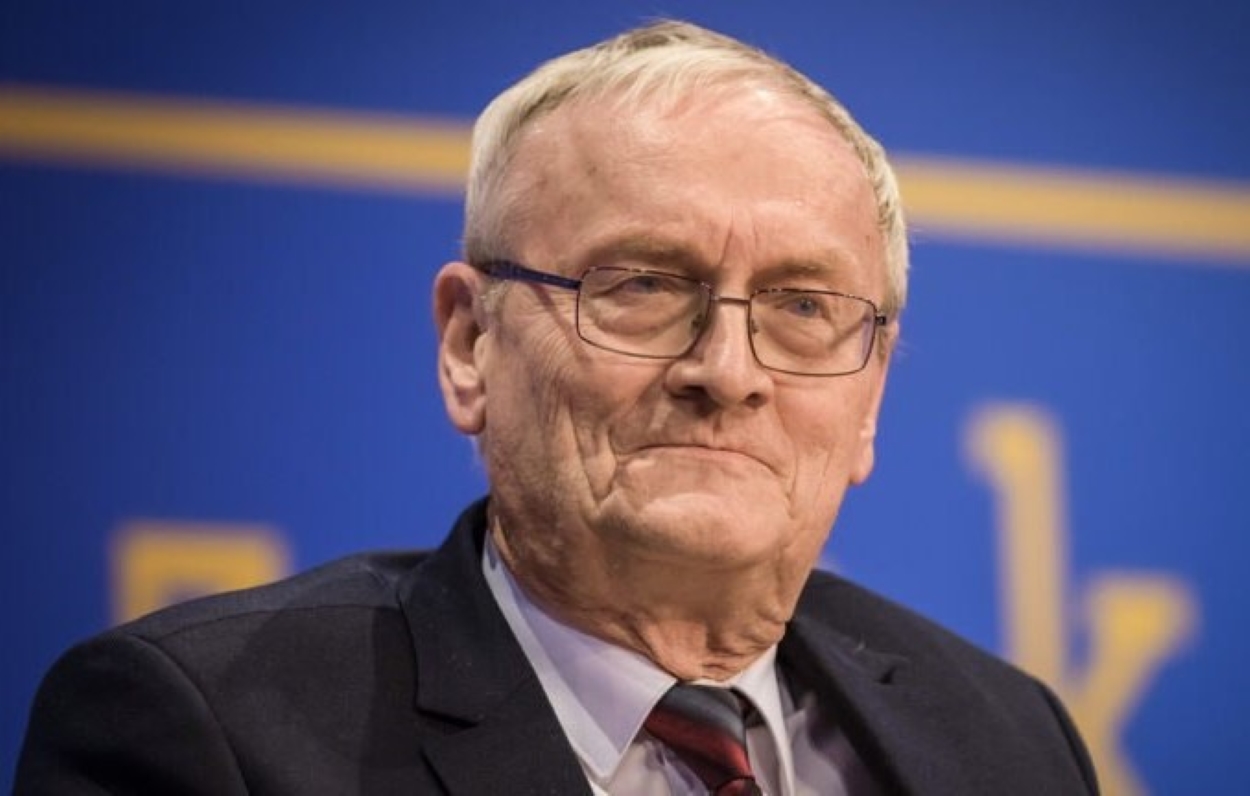
August Hanning. (Photo: X/@sotanews)

New Delhi: Germany’s former foreign intelligence chief, August Hanning, was arrested on Tuesday over espionage and treason charges on suspicion of obtaining state secrets and using classified information in dealings with foreign intelligence services. Investigators allege that a former aide supplied him with about 2,000 BND documents over several years in return for payment, providing material for his private consultancy work.
Hanning, 80, headed Germany’s federal intelligence service, known by its German initials BND (Bundesnachrichtendienst), from 1998 to 2005. His former chief of staff, identified by prosecutors as Manfred D, was also arrested on suspicion of assisting attempted treason and the acquisition of secrets intended for disclosure to a foreign power.
The federal prosecutor’s statement describes an alleged arrangement dating to spring 2010, under which Manfred D would provide intelligence for Hanning to exploit commercially. The aide subsequently worked as chief of staff for several BND presidents between March 2012 and March this year, giving him access to confidential material long after Hanning’s departure.
The documents allegedly included material prepared for senior intelligence briefings at the federal chancellery, where officials from ministries and security agencies exchange assessments. German business daily Handelsblatt reported that the files included information from foreign partner agencies and assessments concerning Iran’s nuclear programme and the Russian military.
Prosecutors distinguish between two alleged foreign intelligence contacts: an officer for whom Hanning prepared an analysis using classified information, and a representative of another service with whom he shared political information over several years. They have not identified either service and say they are still establishing whether the analysis reached its intended recipient.
That uncertainty leaves important questions unanswered about the recipients, the extent of any disclosure and the resulting security damage. Reuters reported that Suddeutsche Zeitung’s information indicated Russia was not involved, although prosecutors have not publicly named the countries concerned.
The investigation originated in evidence uncovered during a September 2025 search connected to a separate inquiry involving the Hamburg businesswoman, Christina Block. Federal prosecutors took over the espionage investigation in early May 2026, working with the BND and the German federal criminal police office.
Block faces trial over allegations that she commissioned the abduction of two of her children from their father’s care in Denmark during a custody dispute, which she denies. Hanning has separately denied allegations concerning his involvement in an earlier, unsuccessful attempt to take the children, and is not among the defendants in the current abduction trial.
The BND’s president, Martin Jager, said the agency began extensive internal investigations as soon as the suspicions emerged and stressed that internal security could admit no compromise. Hanning did not respond to Reuters’ request for comment on the espionage allegations, while the chancellery declined to comment.
The arrests have also renewed scrutiny of the private work undertaken by former officials who once handled highly sensitive information. The Green lawmaker, Konstantin von Notz, who serves on parliament’s intelligence oversight committee, called for a rapid assessment of any damage and restrictions on such post-service activities, according to a dpa report.
The BND gathers and analyses overseas intelligence to inform Germany’s foreign and security policy, while domestic security falls principally to the Federal Office for the Protection of the Constitution. Its close cooperation with European and US partner services means that safeguarding its holdings also involves protecting information entrusted to it by other countries.
If substantiated, the alleged transfer of partner material could therefore have consequences beyond Germany, including questions about confidence in intelligence sharing. For now, the arrests concern suspected offences rather than proven guilt, and investigators have yet to establish the full extent of any unauthorized disclosure.