
Trump-linked Powerus drone deal with Pakistan puts US defence ties under scrutiny
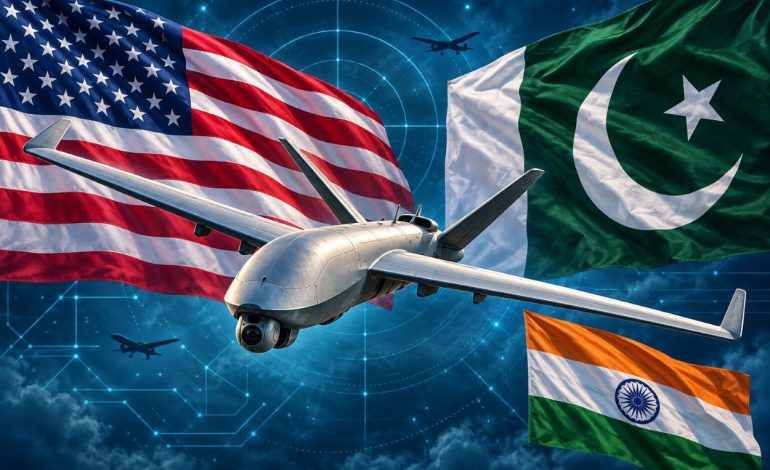
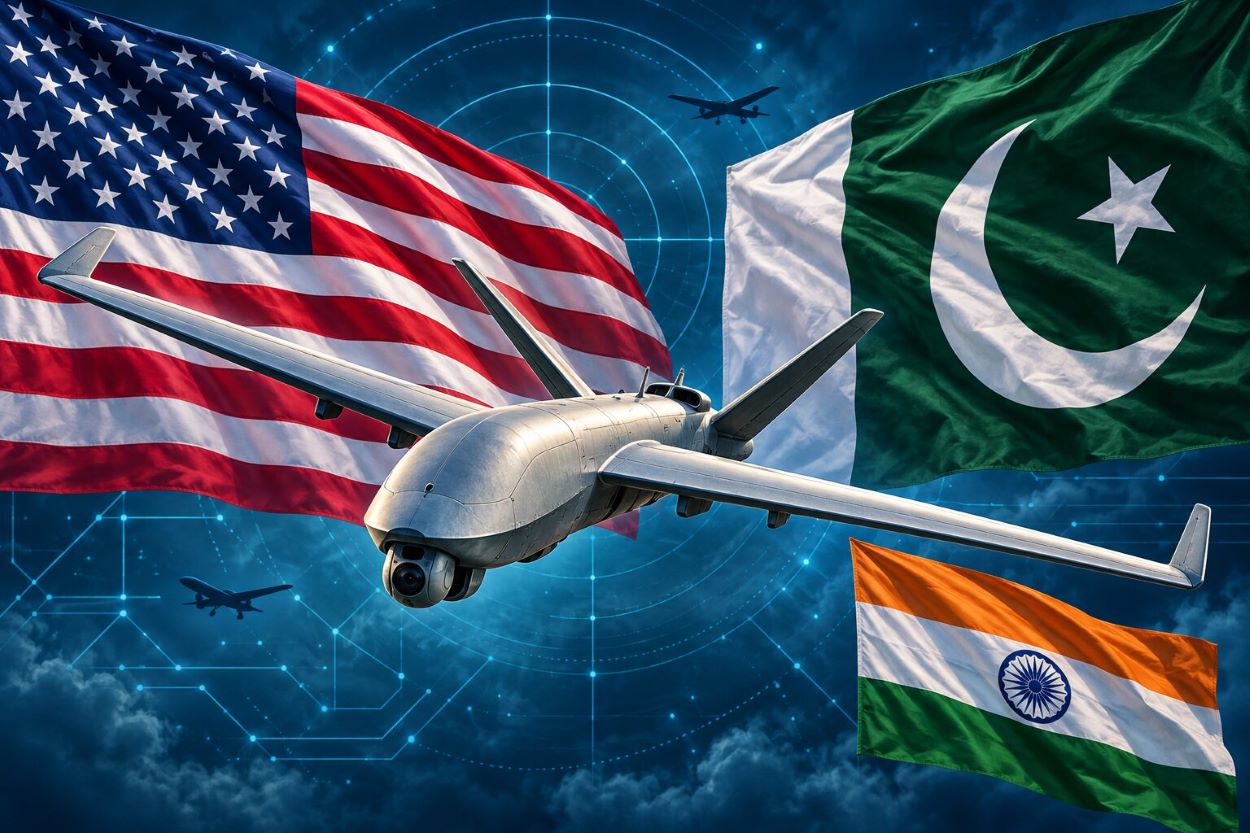
RNA Media illustration for representation.

New Delhi: A drone agreement between Pakistan and Powerus, an American defence company with investment links to the family of the US president, Donald Trump, has raised questions about Washington’s military engagement with Islamabad. The arrangement includes a limited procurement order and a framework for wider cooperation, while the company separately pursues counter-drone manufacturing in India.
Powerus announced on September 17 that Pakistan’s defence ministry had ordered unmanned aerial systems and associated support, without disclosing the contract’s value, quantities or equipment specifications, as , as RNA Media had reported then. Its accompanying memorandum of understanding envisages further cooperation in unmanned and autonomous technologies, potentially extending the relationship beyond the initial purchase.
However, the company’s announcement explicitly distinguishes the procurement order from the wider memorandum, which creates no purchase obligation and commits neither party to proceed. Future programmes under that framework would require definitive agreements and compliance with applicable US laws, regulations and government approvals, limiting what can presently be inferred about a broader reopening of American weapons supplies.
The announcement followed a September 16 meeting in Rawalpindi between a Powerus delegation led by its co-founder, Brett Velicovich, and Pakistan’s army chief and chief of defence forces, Field Marshal Syed Asim Munir. Pakistan’s military said the discussions covered defence procurement, production and capacity building, although its statement did not announce the memorandum.
The company’s longer-term ambitions include joint ventures and manufacturing in Pakistan, according to the Financial Times. Velicovich has argued that American reluctance to supply drone technology helped deepen Pakistan’s dependence on China, presenting the proposed partnership as an opportunity to combine technologies from both countries.
That dependence remains substantial: Stockholm International Peace Research Institute data show China supplied 80 per cent of Pakistan’s major arms imports during 2021–2025, up from 73 per cent during the preceding five-year period. Pakistan’s overall imports increased by 66 per cent between those periods, providing context for its efforts to obtain additional technology from other suppliers.
Powerus’s political connections have brought additional scrutiny to the transaction, with Donald Trump Jr and Eric Trump linked to the business through an investment vehicle. Before its merger with Aureus Greenway Holdings, regulatory disclosures cited in reporting indicated that American Ventures was expected to hold a 9.9 per cent beneficial ownership stake in the combined company.
The merger was completed on October 1, 2026, according to a company announcement filed with the US Securities and Exchange Commission. Aureus Greenway was renamed Powerus Corporation, with its shares continuing to trade on Nasdaq under the symbol PUSA.
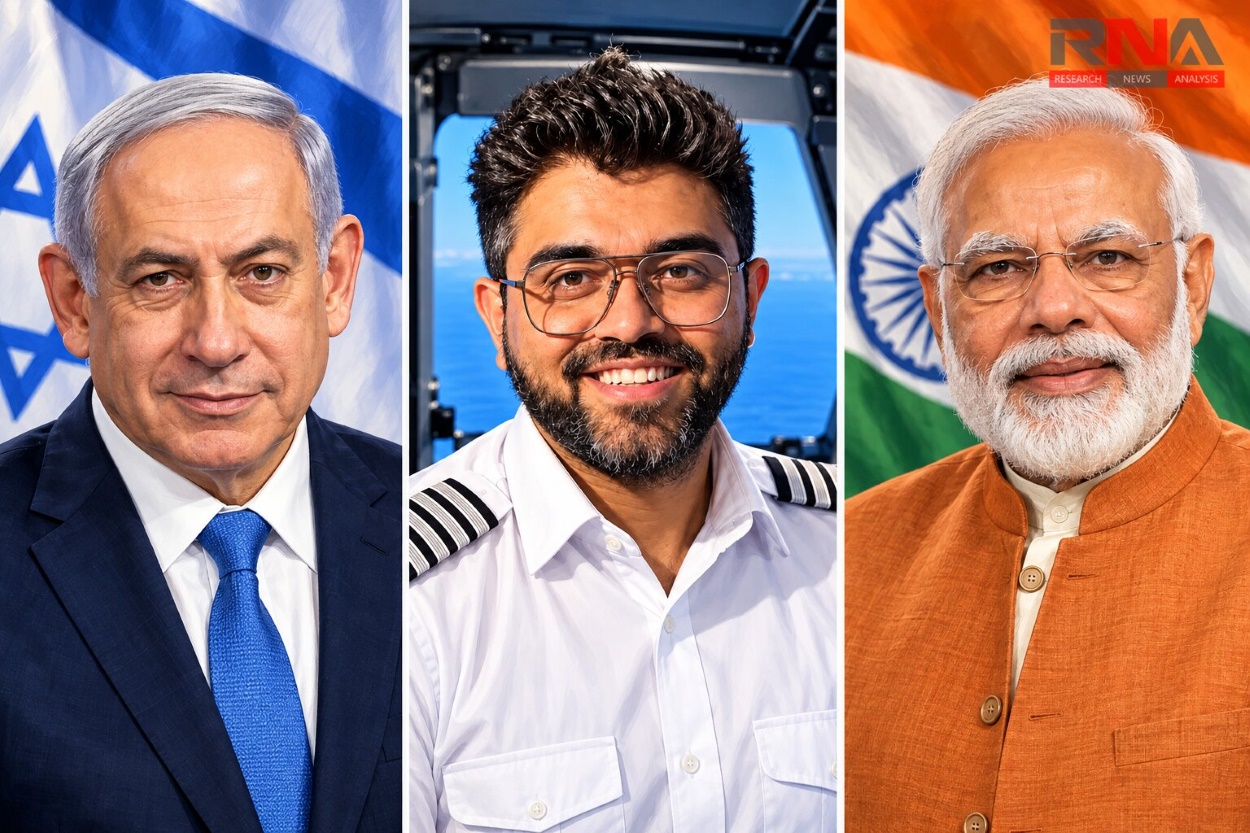
Powerus’s chief executive, Andrew Fox, told Reuters that contracts were secured on merit and that the Trump brothers had no operational involvement. A spokesperson for Trump Jr said he was a passive investor with no prior knowledge of, or role in, the Pakistan deal, while the White House denied any conflict of interest.
For India, a significant aspect is Powerus’s existing relationship with Paras Defence and Space Technologies. In June, Paras announced an exclusive intellectual property licensing agreement with Powerus subsidiary Tandem Defense to manufacture and commercialize Guardian-1 counter-drone technology in the Indian market.
The Indian agreement identifies a specific interceptor product and domestic manufacturing rights, whereas the Pakistani order’s technical scope remains undisclosed. Consequently, the available information does not establish that both countries will receive identical systems, or that Pakistan’s purchase includes Guardian-1.
The Ukrainian connection adds another dimension: the Times of India reported that Powerus established a venture with G1 Exploration to commercialize Ukrainian autonomous defence technologies, including the Guardian interceptor family. This gives the company access to technology informed by Ukraine’s wartime experience, although it does not establish which technologies are covered by Pakistan’s order.
The deal also follows Washington’s approval of a $686 million package for Pakistan’s existing F-16 fleet, reported in December 2025, covering equipment, upgrades and support. That earlier decision shows that US-Pakistan defence business was already continuing, making it misleading to treat the Powerus agreement as the first restoration of a wholly suspended relationship.
For now, the disclosed transaction establishes a commercial opening whose eventual military significance remains uncertain. The equipment supplied, delivery scale and any subsequent manufacturing agreements will determine whether it develops into a substantial new defence partnership.