
From platforms to battlefield effects, CDS Gen Subramani pushes integrated ‘system of systems’ approach
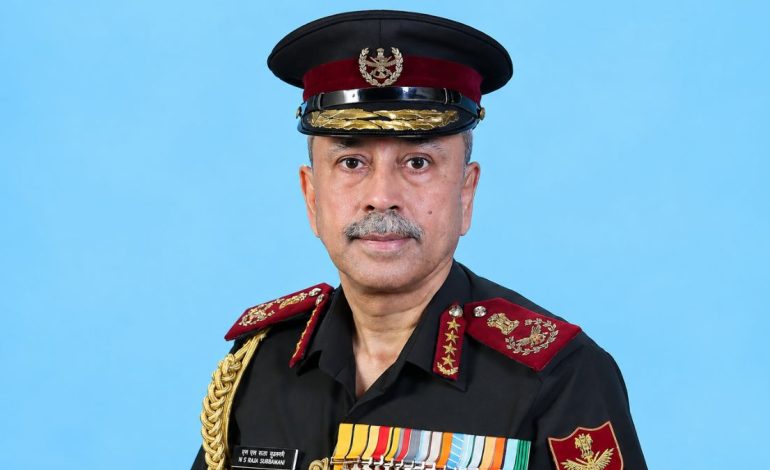
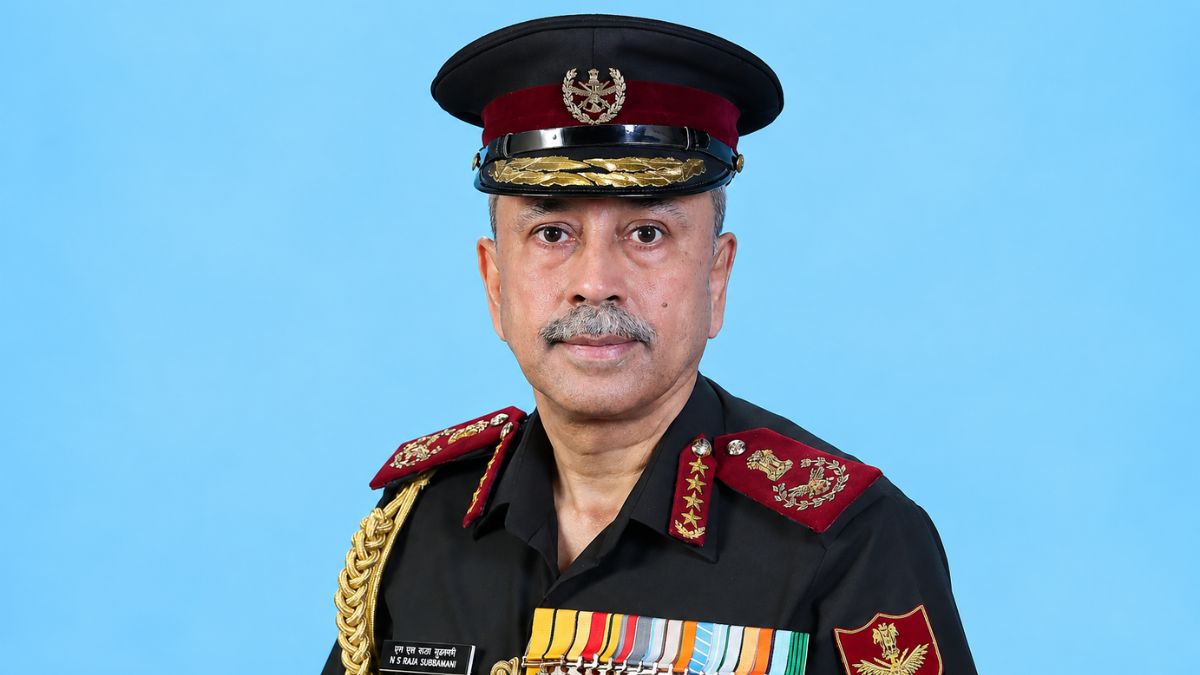
Chief of defence staff, General NS Raja Subramani (Image courtesy: Wikimedia Commons)

New Delhi: The chief of defence staff, General NS Raja Subramani, has said future wars will increasingly depend on how effectively military platforms, sensors, networks and services operate together rather than on the capability of individual systems in isolation. Speaking at the defence forum on “Model-Based Acquisition” in New Delhi, he said multi-domain operations would require military assets to detect threats, exchange information in near real time and create battlefield effects faster than an adversary can respond.
Gen Subramani described this as a “system of systems” approach, in which capabilities operating across land, air, maritime, space, cyber and electronic warfare domains are connected through communications and data networks. The objective, he said, is to identify the battlefield effect required first and then determine which combination of capabilities can produce it.
“Today, it is not about individual platforms, individual services, individual capabilities. It is about a system-of-systems approach,” Gen Subramani said.
Explaining the concept, he said a satellite could detect activity, other sensors could observe or identify it and a capability operating in another domain could then act on that information. The value lies in connecting these systems so that detection, decision making and action form part of the same operational chain.
He cited command, control, communications, computers, intelligence, surveillance and reconnaissance (C4ISR) as an example. Space-based assets can contribute intelligence, surveillance and reconnaissance, positioning, navigation and timing and communications, but he stressed that these assets must exchange data with aerial, naval, ground and electronic warfare systems.
Such an architecture requires networks capable of surviving disruption and sustaining near real time information flows during operations. Gen Subramani has also stressed that communications resilience would directly affect operational effectiveness.
The approach changes the way capability requirements are framed. He said planning should begin with the battlefield effect required, rather than separately asking what the Army, Navy or Air Force needs, before identifying the combination of systems necessary to produce that effect.
For defence acquisition, this places greater emphasis on interoperability, secure communications, data links, software, sensors, command networks and the ability of new platforms to integrate with the wider military architecture. The remarks did not announce a new procurement policy but were made at a forum focused on model based acquisition and digital engineering.
As RNA Media reported earlier, Subramani’s recently outlined the BUILD framework similarly placed integration of technology, data and industry at the centre of preparing for future wars, alongside learning, sustainment and delivery at scale.