
Iran rejects Trump’s latest overture, sets conditions before any US talks
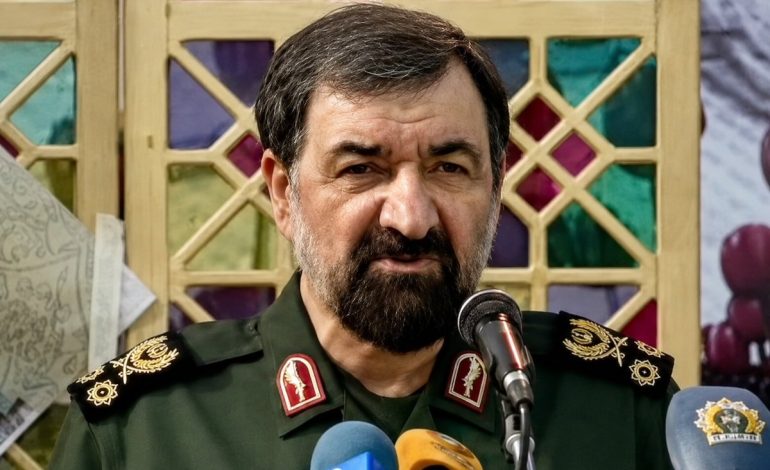
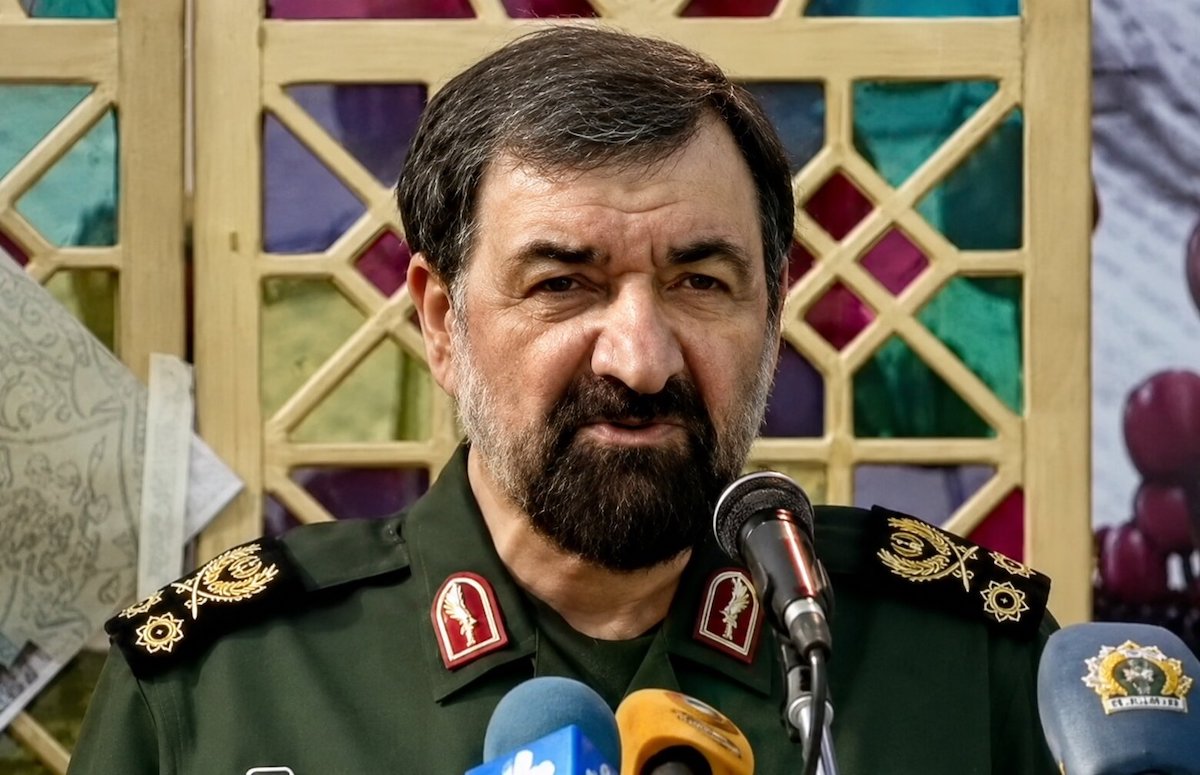
Mohsen Rezaei. (Digitally enhanced video screenshot.)

New Delhi: Iran has rejected the latest US signal for renewed negotiations, with Mohsen Rezaei, secretary of Iran’s supreme national security council, saying Tehran will not enter talks until its conditions are met. The response came hours after the US president, Donald Trump, said Washington was open to engaging with Iran over a possible deal, exposing the wide gap that still separates the two sides despite growing pressure to find a diplomatic way out of the Middle East conflict.
Rezaei accused Trump of sending contradictory messages, pointing to the shift from earlier statements ruling out negotiations to the latest suggestion that Washington was prepared to consider talks. He argued that the strategic circumstances surrounding oil and the region’s vital waterways had changed and warned that attempts to contain the consequences of the conflict would not alter what Iran sees as the emerging balance of pressure.
Trump, in a post on Truth Social on Monday, said Iran wanted a deal “quickly and badly” and that he would decide whether the United States would engage, while leaving open the possibility of negotiations. The statement marked a shift from his recent position that Washington was not interested in talks, although it stopped short of outlining a concrete negotiating framework or specific concessions.
Iran, for its part, has previously indicated that any agreement would have to address what it regards as the consequences of the US-led pressure campaign and the continuing conflict. Iranian demands have included sanctions relief, compensation or war reparations and changes relating to the blockade and restrictions affecting Iranian ports and the Strait of Hormuz, although Rezaei did not spell out the conditions in his latest statement.
The disagreement comes as the strategic importance of the Strait of Hormuz has become even more pronounced, with the waterway remaining heavily restricted and international shipping facing heightened risks. The crisis has also begun to affect other regional energy routes, with a Saudi oil pipeline temporarily shut after an attack and commercial traffic through the strait falling sharply as the wider conflict continues.
Diplomatic efforts involving Iran and its Gulf neighbours have also encountered difficulties. A planned meeting in Oman aimed at discussing arrangements for commercial shipping through the Strait of Hormuz was postponed, with regional governments remaining cautious about any arrangement that could alter the security balance around one of the world’s most important energy corridors.
The immediate problem for Washington and Tehran is therefore not simply whether talks can resume, but whether the two sides can agree on the basis for talks in the first place. Iran appears to be seeking negotiations from a position that reflects the leverage it believes it has acquired over regional waterways and energy flows, while Washington has yet to indicate that it is prepared to accept Tehran’s stated preconditions.
The impasse also carries wider implications for India, whose energy security and commercial interests are closely tied to stability in the Persian Gulf and uninterrupted access through the Strait of Hormuz. Any prolonged disruption to the waterway can raise shipping, insurance and energy costs, making the trajectory of US-Iran diplomacy relevant well beyond the immediate military and political confrontation.
For now, Trump’s renewed openness to engagement has failed to produce a corresponding opening in Tehran. Instead, Iran’s latest response suggests that diplomacy remains possible only if Washington first addresses the conditions Tehran considers essential – leaving the prospects for substantive negotiations uncertain as the regional conflict continues.