
Modi proposes BRICS continuity mechanism, calls for global governance overhaul at 20th anniversary summit
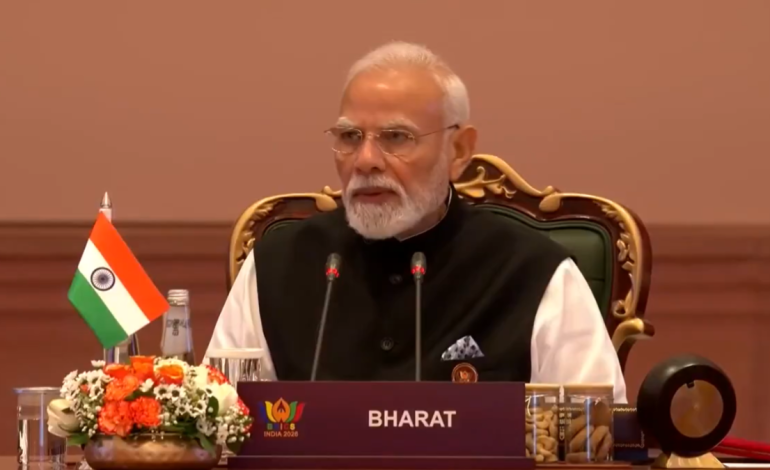
Modi calls for BRICS reforms and a global governance overhaul, (Image courtesy: X/@narendramodi)

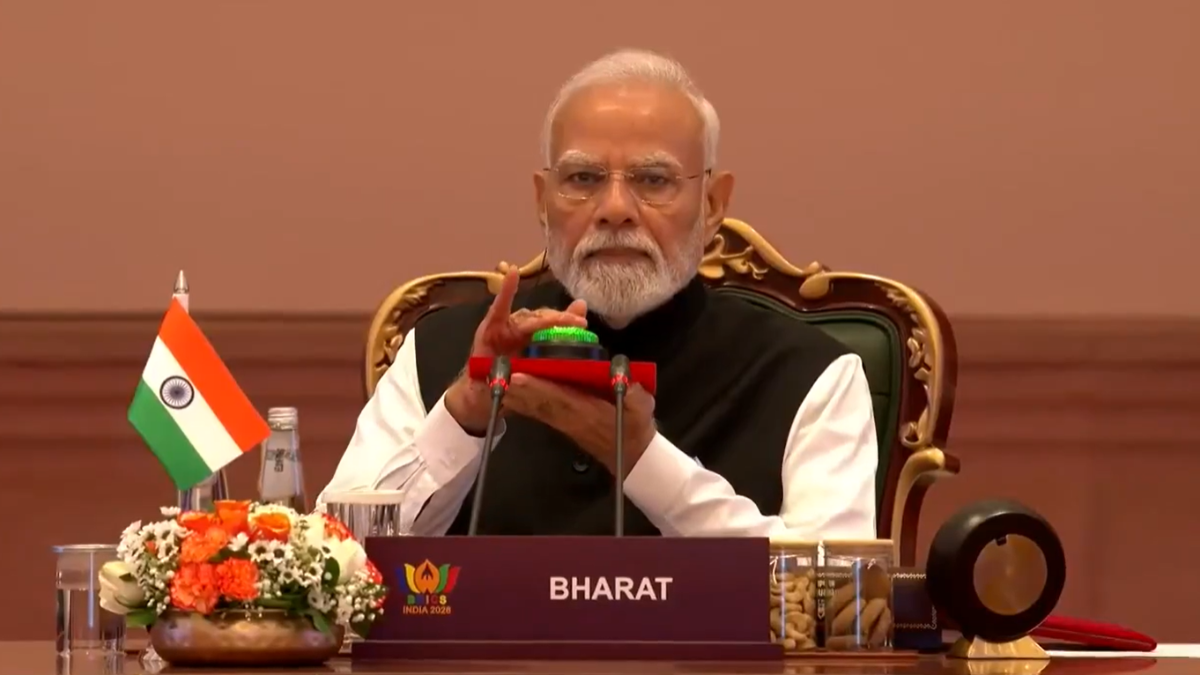
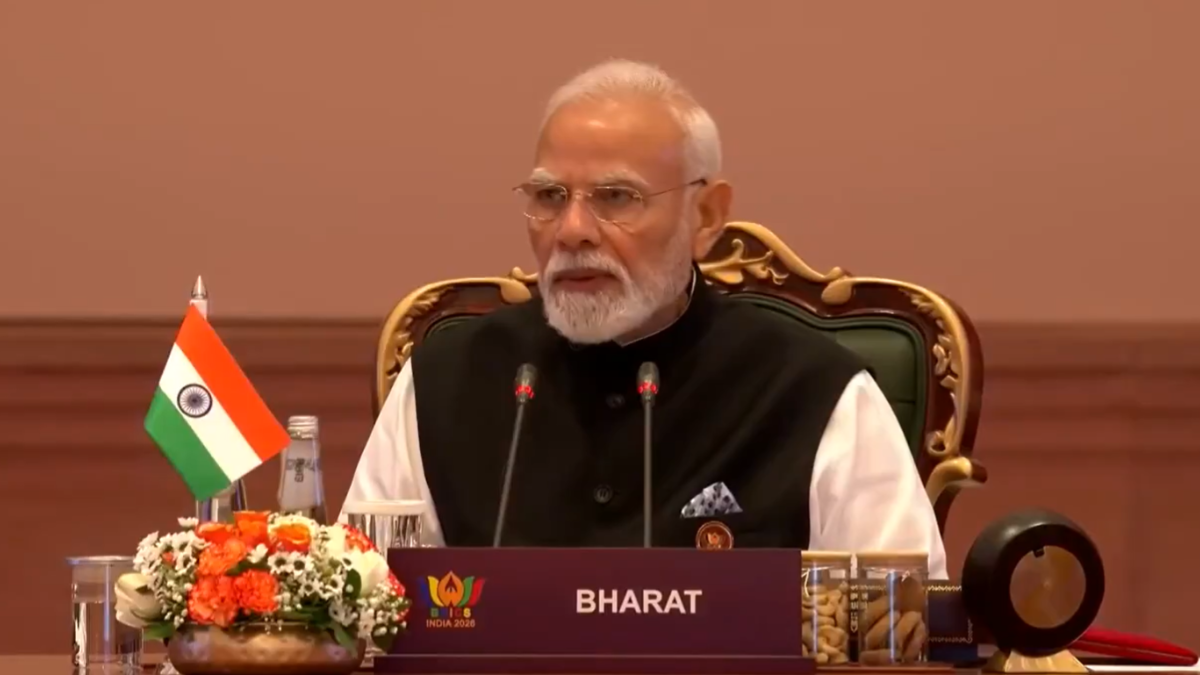
New Delhi: The prime minister, Narendra Modi, proposed a new mechanism to ensure continuity in BRICS decision-making and called for sweeping reforms to global governance structures, in his opening remarks at the 18th BRICS Summit in New Delhi on Saturday.
Modi said India’s BRICS chairship had been built on a “people-centric and humanity-first approach”, with resilience, innovation, cooperation and sustainability as its guiding priorities. He said this focus had translated into more than 350 meetings held across nearly 30 cities during India’s tenure, and thanked member countries for their contribution to the chairship.
Troika mechanism, digital repository proposed
Noting that the BRICS presidency changes hands every year, Modi said institutional momentum should not slow as a result. He proposed a “BRICS continuity and implementation mechanism”, under which all initiatives and outcomes agreed by the grouping could be tracked through the Troika – the diplomatic arrangement linking the outgoing, current and incoming chairs.
Modi said a secure digital repository could be created to record the nodal point, timeline and implementation status of every decision taken by the grouping, allowing progress to be monitored consistently across chairships.
Reshaping the “pyramid” of global governance
Modi said the current structure of global governance resembled a pyramid, with power and decision-making concentrated at the top while countries most affected by global crises remained at the bottom, unable to shape outcomes. He said the Global South was “in the front row of global crisis but…the back row when it comes to decision-making”, and called for that structure to be converted into “a platform of partnership where every nation has a voice”.
To that end, Modi proposed that BRICS members jointly draft 10 proposals for global governance reform, to be developed into a “BRICS reform roadmap” by the next summit. He said the roadmap should focus on three areas: representation, responsiveness and rule-making.
On representation, Modi said reform of the UN Security Council could “no longer be deferred” and called for text-based negotiations on the issue to be tied to a definite timeframe and clear outcomes. He said voting power, leadership positions and policy priorities within financial institutions should also be realigned to reflect current economic realities, with countries driving global growth playing a bigger role in economic governance.
On responsiveness, Modi said global institutions would retain public trust only if they could resolve problems at speed and scale, with genuine “last-mile impact”. He proposed a “Seafarers’ Emergency Support Network” to connect the maritime authorities and diplomatic missions of BRICS countries, aimed at improving responses to distress alerts, medical emergencies, family notifications and evacuations involving seafarers.
On rule-making, Modi said equal participation in shaping rules for emerging domains – including artificial intelligence, cyberspace, outer space, biotechnology and critical technologies – was essential, since these fields would define both future opportunities and future regulations. He said BRICS could help transform the Global South from a “rule-taker” into a “rule-shaper” by offering young diplomats and policymakers from these nations a platform for negotiation, training and legal expertise. India, he said, was ready to lead this effort.
Modi noted that the proposal came on the UN Day for South-South Cooperation, calling the timing significant.
BRICS at 20
Describing this year’s summit as historic, Modi said BRICS was marking its 20th anniversary and had reached a “coming-of-age moment” after carving out a distinct identity on the global stage over two decades. He said the grouping was “not against anybody” and would continue to move forward on the basis of mutual respect and consensus.
Modi closed his remarks by summarising his call for reform: “From voice to impact, from privilege to partnership – let this be the resolve of BRICS at 20.”