
US Russia sanctions bill faces house opposition, India’s Russian oil purchases in focus
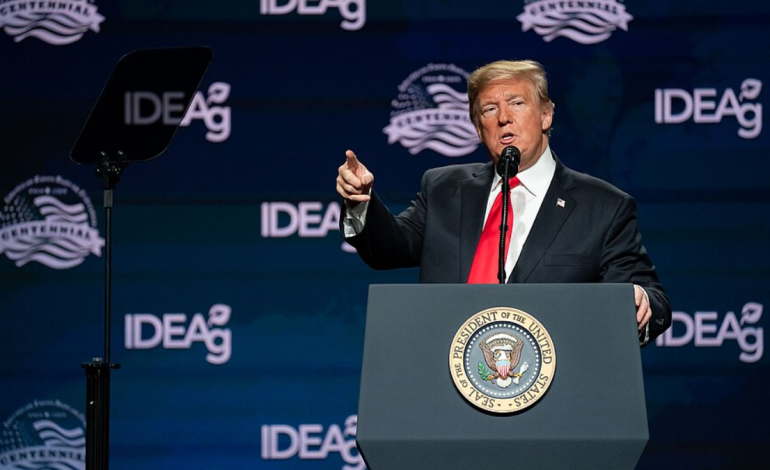
US Russia sanctions bill faces house opposition. (Image courtesy: Wikimedia)

New Delhi: A US senate-approved bill that could impose tariffs of up to 100 per cent on major buyers of Russian oil and gas is facing opposition in the US house of representatives. The proposed measure has put India’s Russian oil purchases in focus as Washington weighs tougher economic pressure on countries that continue to trade in Russian energy.
The bill passed the Senate 86-11 last month and was introduced by the late Republican senator, Lindsey Graham. It seeks to increase pressure on Russia by targeting not only Moscow but also countries that remain major buyers of Russian energy or help Russia bypass energy sanctions.
The bill would give the United States president, Donald Trump, the power to impose tariffs of up to 100 per cent on goods imported from countries that are among the five largest buyers of Russian crude oil and natural gas. The same power could apply to countries identified as helping Russia evade sanctions on its energy exports, Bloomberg reported.
The proposed tariffs are aimed at making continued purchases of Russian energy more costly for countries such as India, China and Turkiye. The broader objective is to reduce the market available to Russia and put pressure on the revenue it earns from oil and gas exports.
The biggest concern is that targeting major Russian oil buyers could disrupt the wider global oil market. If countries such as India and China reduce their purchases from Russia, they would have to compete for crude from other producers, including supplies from the Middle East and other international markets.
That could push global crude prices higher. Instead of only reducing Russia’s oil revenue, the measure could therefore increase fuel and energy costs in countries that are already dealing with supply disruptions.
This is also a concern in the US, where higher crude prices could translate into more expensive petrol. Some lawmakers and business groups are also worried that the bill could give Trump broader authority to impose tariffs on major US trading partners.
Why Russian oil matters to India
Russia is now India’s largest crude supplier, although imports vary depending on prices, availability, shipping conditions and refinery demand. India’s dependence on imported crude makes the issue particularly important. A sharp rise in international oil prices would increase the country’s import bill and could raise costs across transportation, industry and other sectors of the economy.
The timing is also significant because the global oil market is already facing geopolitical risks. The Iran conflict and tensions around the Strait of Hormuz have raised concerns over the movement of crude from West Asia, while the Russia-Ukraine war continues to affect energy trade and shipping.
For India, replacing a large amount of Russian crude would therefore not be as simple as switching to another supplier. If several major buyers simultaneously look for alternative supplies, competition for available crude could increase and push prices higher.
Jaishankar stands firm on Russian oil
India has maintained that its purchases of Russian oil are based on energy security, prices and availability. New Delhi has argued that it has to ensure a reliable supply of affordable crude for a population of 1.4 billion and cannot base its energy decisions only on geopolitical pressure.
The external affairs minister, S Jaishankar, reiterated this position during his visit to Kyiv, where he met the Ukrainian president, Volodymyr Zelenskyy, and discussed efforts to end the Russia-Ukraine war, as RNA Media had reported.
“This conflict will be solved by dialogue, diplomacy, and negotiation.” He said the outcome of the war would not be determined by whether individual countries bought Russian oil, metals, minerals or fertilizer. India, he said, respected Ukraine’s concerns but also expected its own energy-security requirements to be recognized.
The proposed US measure creates two separate concerns for India. A tariff on Indian exports could affect companies selling goods in the US, while pressure to reduce Russian oil purchases could increase India’s cost of securing crude from other markets.