
Rajnath Singh unveils 10-year ‘Raksha’ roadmap for India’s global defence partnerships
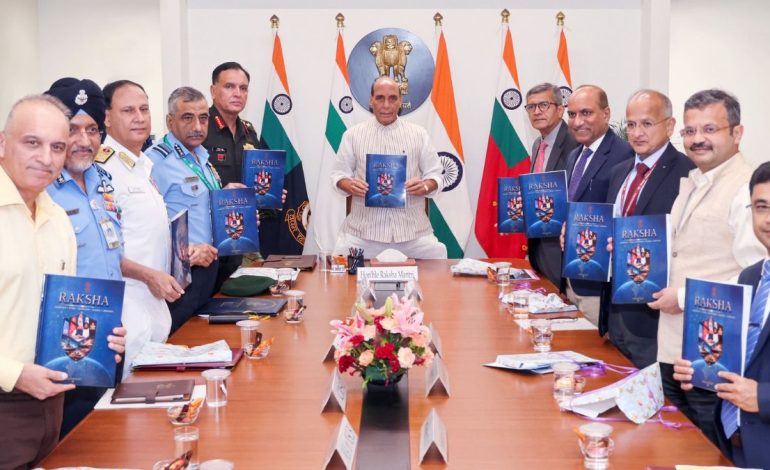
Rajnath Singh releases the 'Raksha' defence diplomacy document in New Delhi, outlining India's 10-year roadmap for global defence partnerships. Image credit: X/@DefenceMinIndia

New Delhi: The defence minister, Rajnath Singh, released a new strategic document called “Raksha” in New Delhi on Thursday, laying out India’s roadmap for global defence partnerships over the next 10 years. The document reflects a shift in India’s approach to defence diplomacy, tying national security goals more closely to active cooperation with partner countries.
Singh released Raksha at an event attended by India’s top defence and security leadership. General Dhiraj Seth, chief of the army staff, and defence secretary, Rajesh Kumar Singh were among those present, along with Sanjeev Kumar, secretary (defence production), and Rudrendra Tandon, secretary (east) at the Ministry of External Affairs.
Air Marshal Ashutosh Dixit, vice-chief of the air staff, and Vice Admiral Ajay Kochhar, vice-chief of the naval staff, also attended. Air Marshal Tejinder Singh, chief of Integrated Defence Staff to the chairman of the chiefs of staff committee, was present as well, along with senior officials from the Ministry of Defence, the Ministry of External Affairs and the National Security Council Secretariat.
According to the officials, the document rests on four main pillars. It calls for deepening bilateral and multilateral security partnerships, and for more joint military exercises and training programmes with friendly countries.
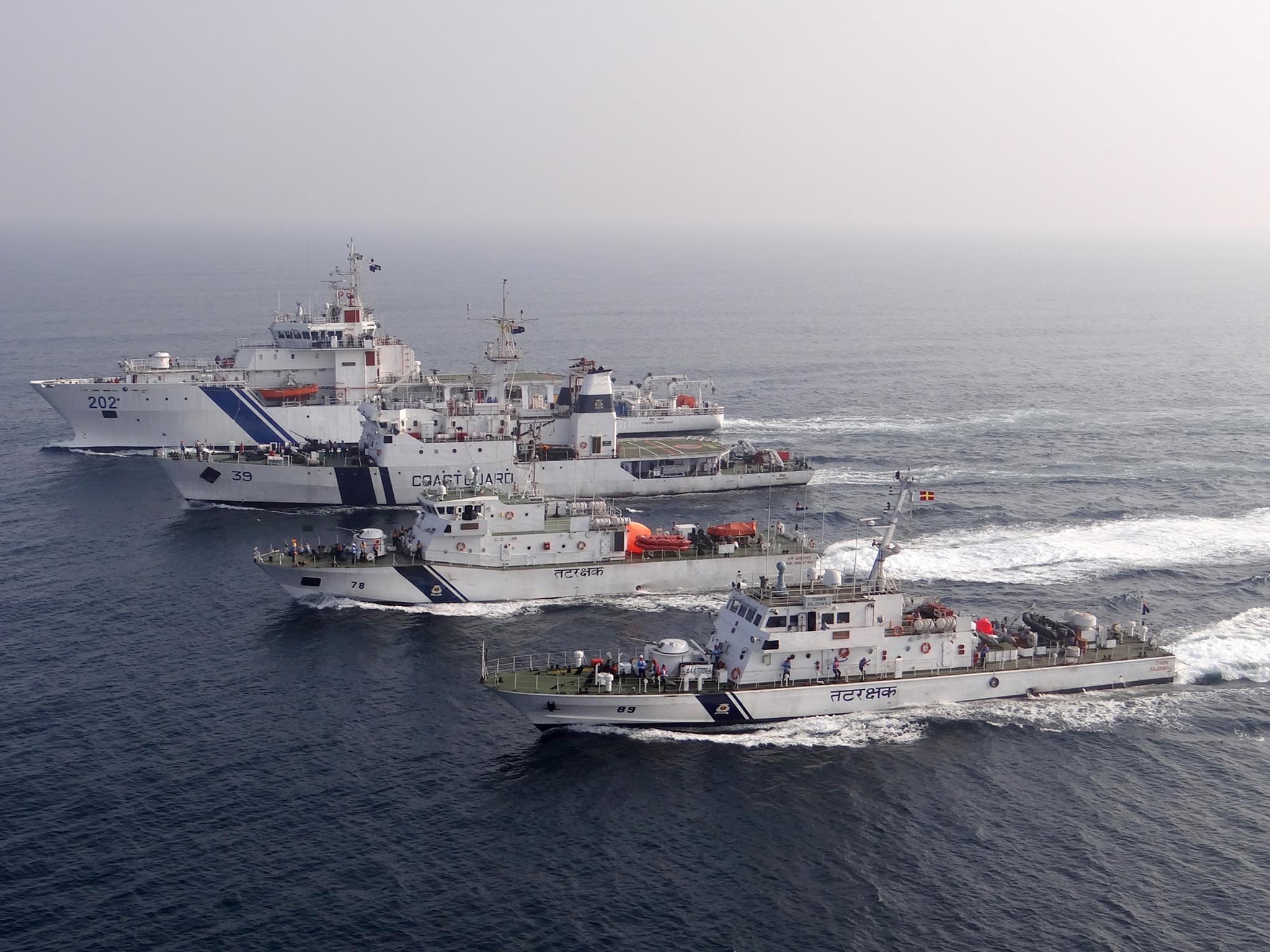
It also pushes indigenous defence exports, aiming to position India as a reliable global hub for defence manufacturing under the “Make in India” push. On maritime security, Raksha seeks to strengthen India’s role as a “net security provider” and first responder in the Indian Ocean region.
The ministry described defence diplomacy as a core pillar of India’s foreign policy, and said the document gives the country a clear, actionable vision for the next decade. It framed the goal as keeping India anchored as a source of peace, stability and rules-based order as the global security landscape keeps shifting.
Raksha also calls for aligning India’s national security priorities more closely with proactive cooperation abroad, rather than treating defence ties mainly as one-off transactions. The ministry said this would help build long-term stability and mutual growth with partner nations.
The document arrives as India has been steadily expanding defence cooperation with several countries. This year, India and France renewed their defence cooperation agreement for another decade, agreeing to expand joint development and production of defence equipment.
India also signed a Defence Industrial Cooperation Roadmap with Germany in April, aimed at building long-term collaboration on defence technology, co-development and co-production. The two countries have since widened military-to-military ties through joint exercises, training and naval engagements.
With the UAE, India signed a letter of intent (LoI) in January to work toward a strategic defence partnership framework, with both sides expanding cooperation in manufacturing, training and military exercises. Belgium has also emerged as a growing defence partner, after the two countries agreed in July to deepen cooperation in defence alongside trade, green energy and technology.
Taken together, these partnerships form the backdrop against which Raksha is meant to operate. The document effectively formalizes a pattern of engagement India has already been building with multiple partners, while setting out a longer, more structured horizon for where that cooperation should head over the next 10 years.