


Rajnath clears DRDO missile technology transfer as India pushes for deeper defence self-reliance
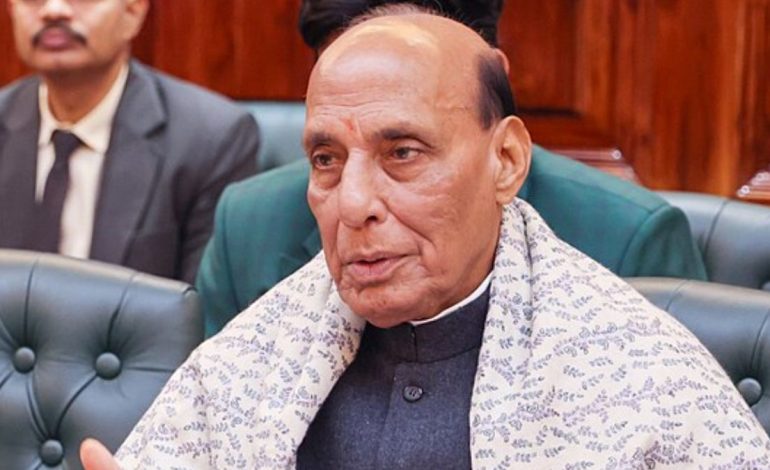
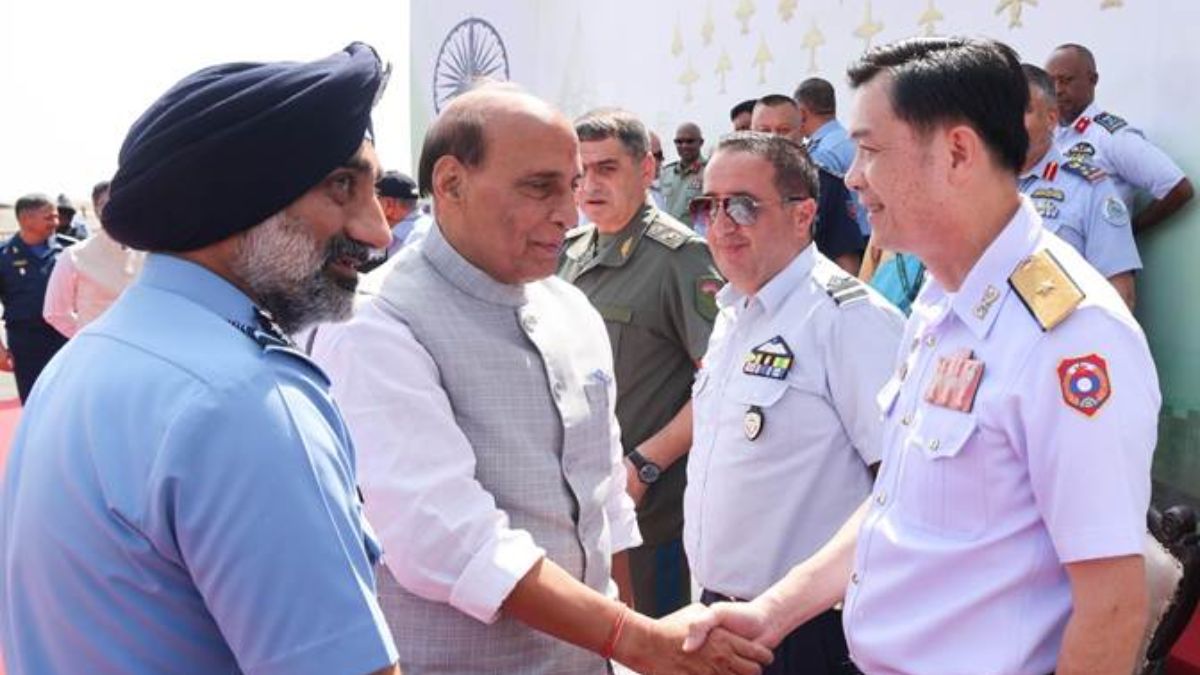
Rajnath Singh. (File photo)

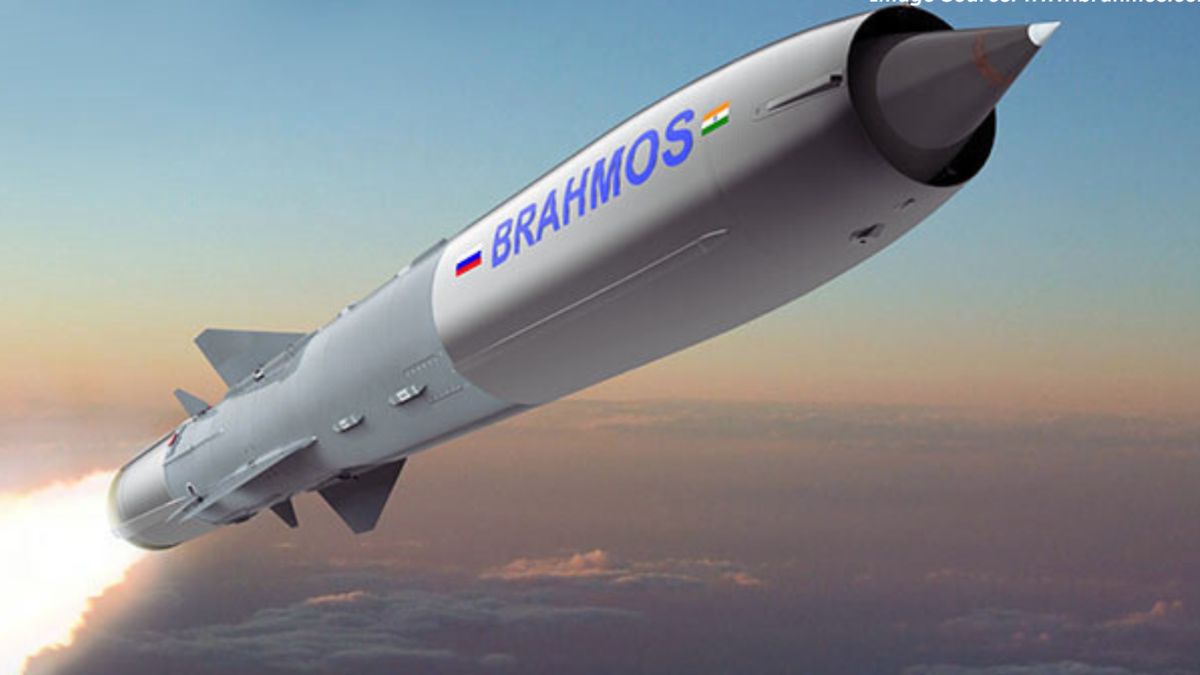
New Delhi: The defence minister, Rajnath Singh, has approved the transfer of DRDO developed technologies for all conventional missile systems to Indian defence companies for production in India. The move is aimed at expanding domestic manufacturing capacity, increasing indigenous content and reducing dependence on imported systems and components.
The defence ministry said the provision would help move missile systems from development to industrial production, while bringing micro, small and medium enterprises (MSMEs) and other technology partners deeper into the defence supply chain. Companies taking up the technologies will have to meet prescribed certification and regulatory requirements.
What exactly does ToT cover?
The August 25 announcement does not identify individual missile systems that will be covered. It says technologies of “all conventional missile systems” developed by DRDO can be transferred to qualified Indian industry.
DRDO’s 2025 transfe-of technology (ToT) procedure shows that such arrangements can go well beyond permission to assemble a finished weapon. Technology-transfer documentation can include technical know-how, engineering and manufacturing drawings, process details, quality-assurance plans, bills of materials, packaging and handling information, spares data and maintenance, repair and overhaul details.
The framework can also provide testing specifications, known material sources, samples and technical assistance for manufacturing the first order. The precise package, however, depends on the technology and the licensing agreement between DRDO and the recipient company.
DRDO’s standard ToT model generally provides for a non-exclusive licence, while transfer or sublicensing of the know-how requires prior approval. Intellectual-property arrangements can vary according to how a technology was developed, including cases where rights are jointly held with an industry partner or rest with industry for particular subsystems.
The decision is therefore as much about industrial capacity as technology access. A wider pool of qualified manufacturers could create redundancy, strengthen component supply, improve lifecycle support and help expand production faster when operational demand rises.
Recent acquisition point in the same directions.
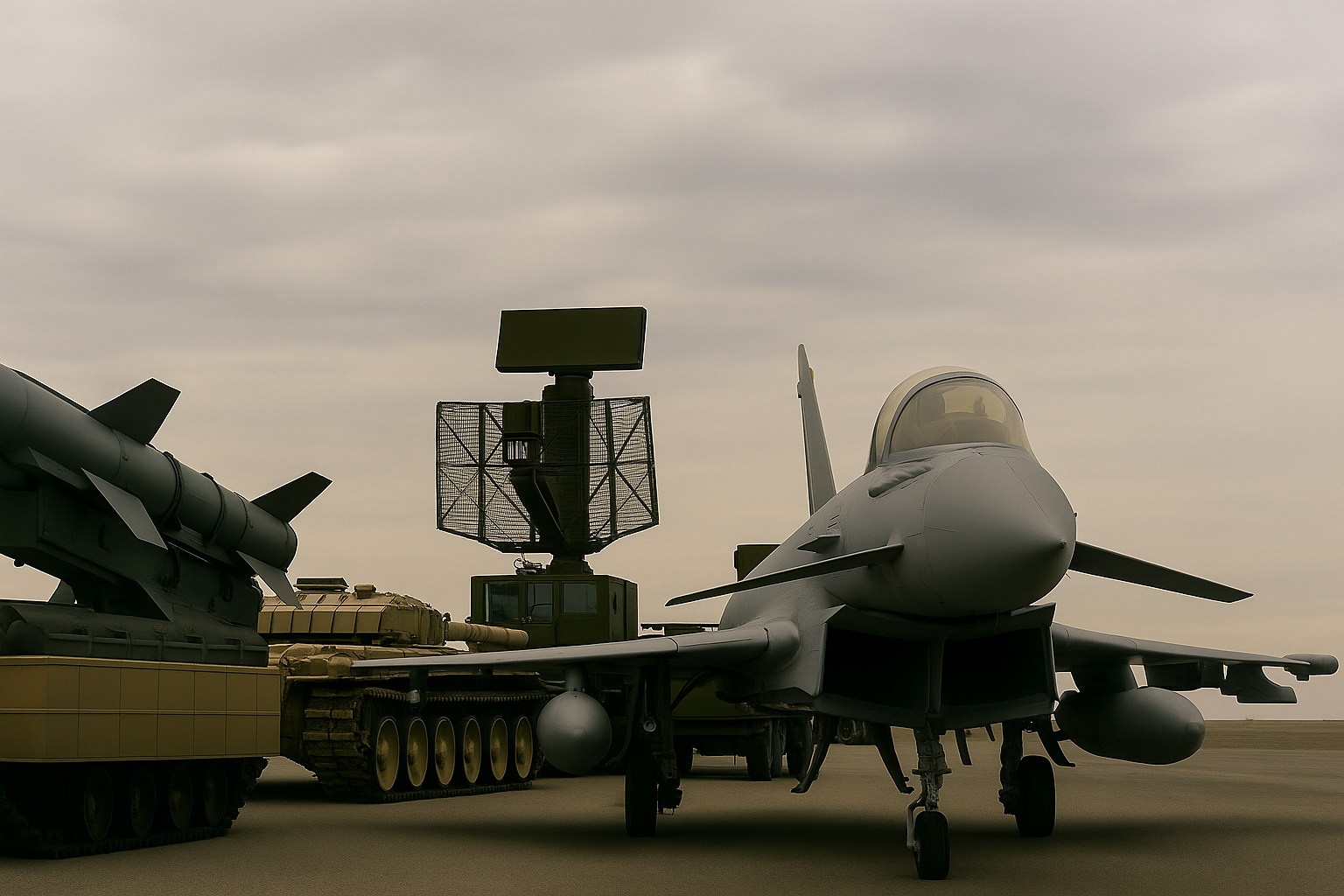
The announcement comes amid a series of major acquisition approvals and contracts for missiles, air-defence systems and unmanned weapons.
On July 3, the Defence Acquisition Council accorded Acceptance of Necessity for proposals worth about ₹ 52,000 crore. These included man portable anti-tank-missile system, medium range surface-to-air missile systems, very short range air defence systems, Akash Tarang anti-UAV electronic warfare systems and jet-based kamikaze drones.
On August 14, the defence ministry signed ₹1,577 crore contracts with Tata Advanced Systems and Nibe for loitering munition systems for the Army under the buy (Indian) category.
Imports, however, remain part of the force structure. In March, the ministry signed a ₹2,182 crore contract with Russia’s Rosoboronexport for VL-Shtil surface-to-air missiles for the Navy. The policy direction is therefore not about ending imports overnight, but reducing dependence wherever India already possesses or can absorb the required technology.
Make in India to supply-chain resilience
The broader indigenization drive has also accelerated. On August 18, the defence ministry notified the sixth Positive Indigenization List covering 405 items, with an estimated business potential of ₹3,070 crore. More than 15,700 defence items have been indigenised over the past five years, generating estimated import substitution of about ₹9,000 crore.
India’s defence industrial base has expanded alongside this push. Defence production reached ₹ 1.78 lakh crore in 2025-26, up 15.6 per cent from the previous year, while defence exports rose to a record ₹ 38,424 crore. The 2026-27 Budget has earmarked ₹1.39 lakh crore for procurement from domestic defence industries.
The supply-chain argument has become harder to ignore. During a march review of the West Asia crisis, Singh examined how geopolitical disruption could affect procurement, production, maintenance and serviceability of defence equipment. The government’s 2026-27 defence assessment has separately said interruptions in global supply chains have reinforced the need for import substitution and indigenization, both for sustaining existing platforms and future modernization.