Tejas-Mk2 may be outdated by the time it enters service, says former IAF vice chief
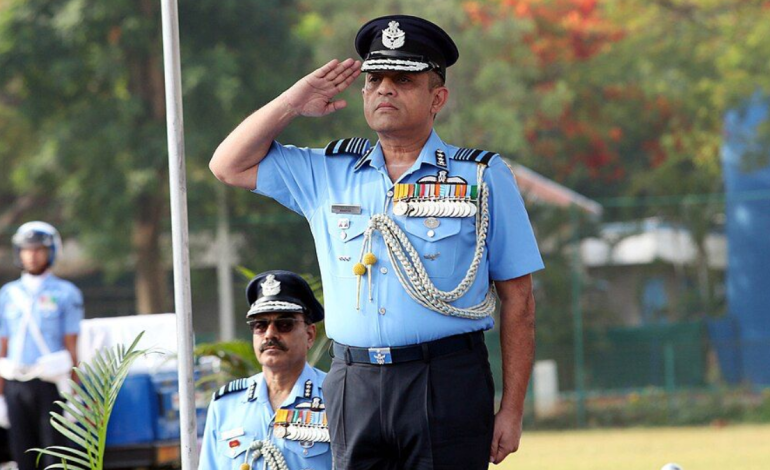
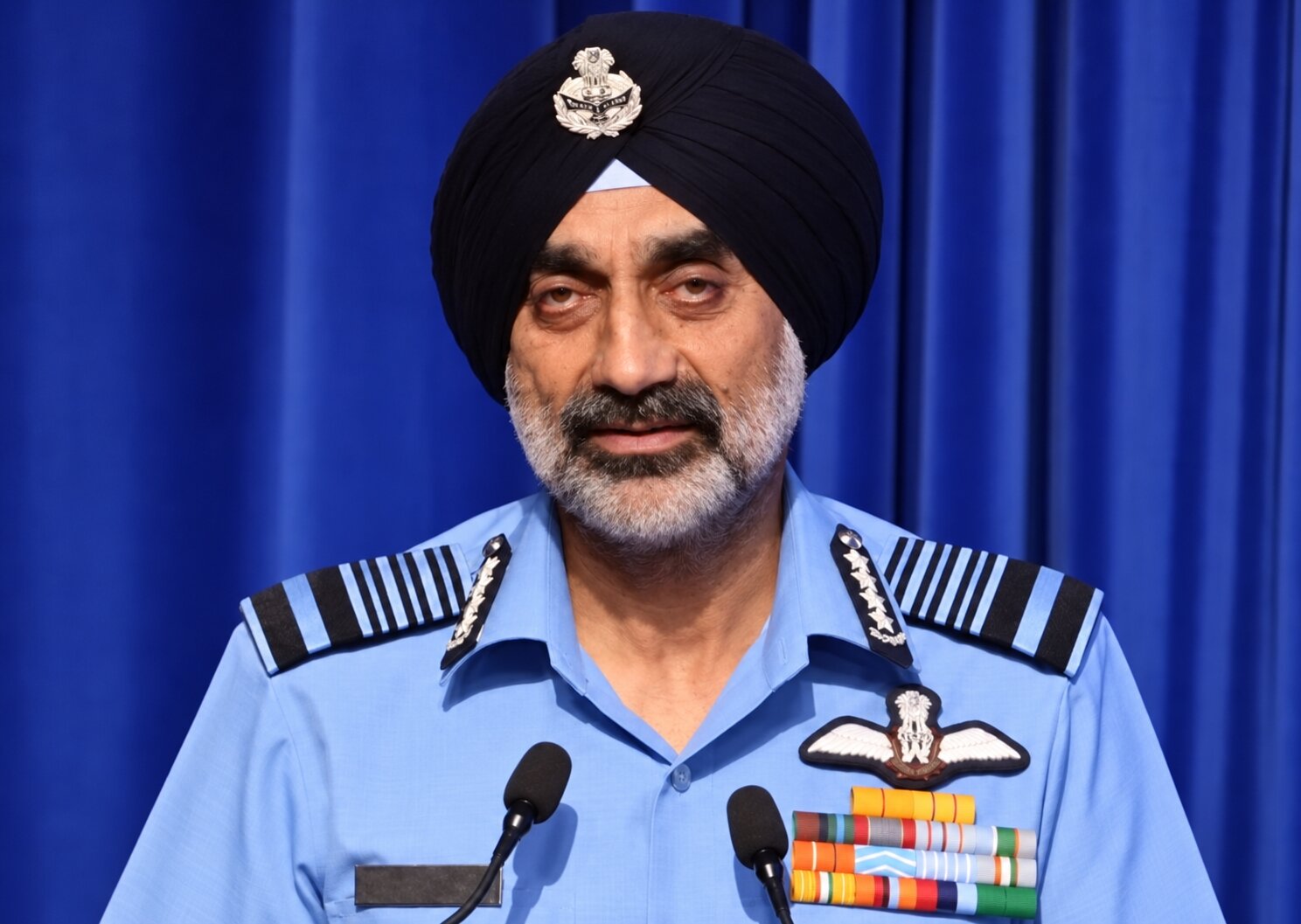
Air Marshal Nagesh Kapoor. (Image courtesy: Wikimedia)

New Delhi: Air Marshal Nagesh Kapoor, who retired as the Indian Air Force’s vice chief less than two months ago, has questioned whether the Tejas-Mk2 will still be operationally relevant by the time it enters service in the mid-2030s. His remarks come as India develops both the Tejas-Mk2 and its planned fifth-generation advanced medium combat aircraft, while China is already developing sixth-generation fighter platforms.
Air Marshal Kapoor made the comments in an interview with NDTV, when asked whether it made sense for India to introduce a fourth-generation fighter around 2035 while China is developing sixth-generation aircraft and Pakistan is looking at fifth-generation fighters.
His answer was blunt: “No, operationally, definitely No.”
That does not mean AM Kapoor sees no role for the Tejas-Mk2. He said fourth-generation fighters could still be useful alongside more advanced aircraft, since India would not be able to deploy fifth- and sixth-generation fighters everywhere.
“You can have a certain number of those 5th generation & 6th generation fighters, but given the size of the country, you won’t be able to deploy them everywhere,” he said. The remaining gaps, he added, would have to be filled by aircraft such as the Tejas-Mk2.
The problem is not just Tejas-Mk2
Air Marshal Kapoor’s criticism comes against the backdrop of continuing delays in India’s indigenous fighter programmes. The Tejas-Mk1A, which is supposed to form a major part of the Indian Air Force’s fighter fleet, has itself faced delays in deliveries.
The IAF ordered 83 Tejas-Mk1A fighters in 2021, in a deal worth about ₹46,000 crore. A further order for 97 aircraft was announced in September 2025 for ₹62,370 crore, but the delivery of the first batch has been delayed, with engine supplies and the integration of radar, avionics and weapons among the issues reported by NDTV.
Air Marshal Kapoor was particularly critical of the pace of deliveries, and questioned why the IAF should continue waiting for capabilities that had already been promised.
“Why must we be hamstrung because someone somewhere has not been able to keep their promises?” he asked.
He also questioned the sense of urgency at Hindustan Aeronautics Limited (HAL), the state-run manufacturer behind the Tejas programme, saying, “Their sense of urgency is not equal to the sense of urgency of the Indian Air Force.”
The Tejas-Mk2 has faced its own delays. Its prototype was originally expected to be rolled out in 2022, but the timeline has since slipped several times. HAL’s latest update puts the aircraft’s first flight between March and July 2027.
The concern becomes larger when the Tejas-Mk2 is viewed alongside the AMCA.
India currently does not have an operational fifth-generation fighter, while China has already fielded the J-20 and is developing aircraft described as sixth-generation platforms. AM Kapoor believes India needs to look beyond simply moving from one generation of fighter to the next.
He suggested that India consider joining international programmes such as FCAS, being developed by France, Germany and Spain, or GCAP, a joint programme involving the UK, Italy and Japan.
“Why not FCAS? Why not GCAP? Why not join in on any one of those programmes?” AM Kapoor said.
His argument is essentially that India should not spend too much time developing capabilities that could become outdated before they are available in meaningful numbers. At the same time, he continues to support indigenous development, saying, “Indigenous is the way to go without a doubt but how long do we keep waiting?”
For AM Kapoor, the issue is therefore not whether India should abandon its indigenous fighter programmes. It is whether those programmes can move quickly enough to ensure that the aircraft being developed today remain relevant by the time they are finally available in large numbers.