
Sajjan Kumar, former Congress MP convicted in 1984 anti-Sikh riots, dies. Who was he?
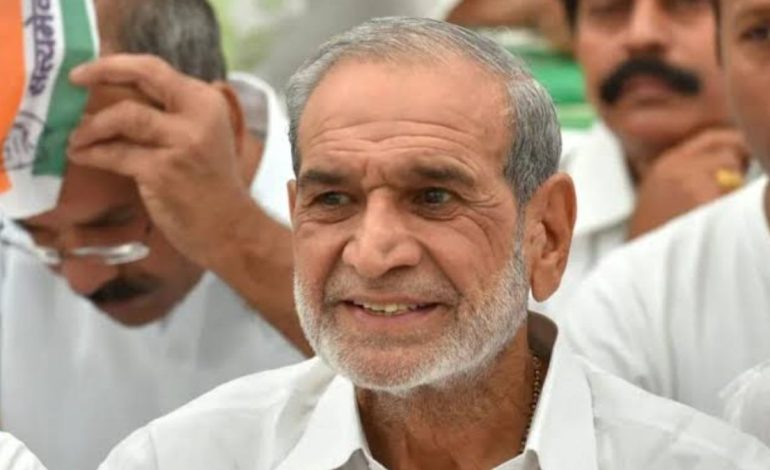
Former Congress MP Sajjan Kumar. Image courtesy: X.com

New Delhi: Former Congress MP Sajjan Kumar, who was serving life imprisonment in cases arising from the 1984 anti-Sikh violence in Delhi, died at Safdarjung Hospital on Thursday. He was 80 and had been brought to the hospital from Tihar Jail this morning.
Vardhman Mahavir Medical College and Safdarjung Hospital said Kumar was brought by police at around 11am with “altered sensorium” and was immediately admitted, with resuscitation and life-support measures initiated. He died at 12.30pm despite treatment, according to the hospital statement. The statement also noted a history of high blood pressure, Parkinson’s disease and previous hospital admissions, but did not identify a cause of death.
Kumar had remained in prison since surrendering on December 31, 2018, following a Delhi high court judgment sentencing him to imprisonment for the remainder of his natural life in a case involving the killing of five members of a Sikh family and the burning of a gurdwara during the 1984 violence. He was initially sent to Mandoli jail and was being held in Tihar jail at the time of his death.
He received another sentence of life imprisonment from a Delhi court in February 2025 in a separate case involving the killings of Jaswant Singh and his son Tarundeep Singh.
Who was Sajjan Kumar?
Born in Delhi on September 23, 1945, Kumar rose through Congress politics in the capital, beginning with municipal politics in the 1970s. Parliamentary records show that he served as general secretary of the Delhi Pradesh Congress Committee in 1977 before being elected to the Lok Sabha from Outer Delhi in 1980.
He returned to Parliament from the same constituency in 1991 and 2004, making him a three time Lok Sabha MP. Election Commission records confirm each of those victories, while his parliamentary profile lists the 2004 election as his third term.
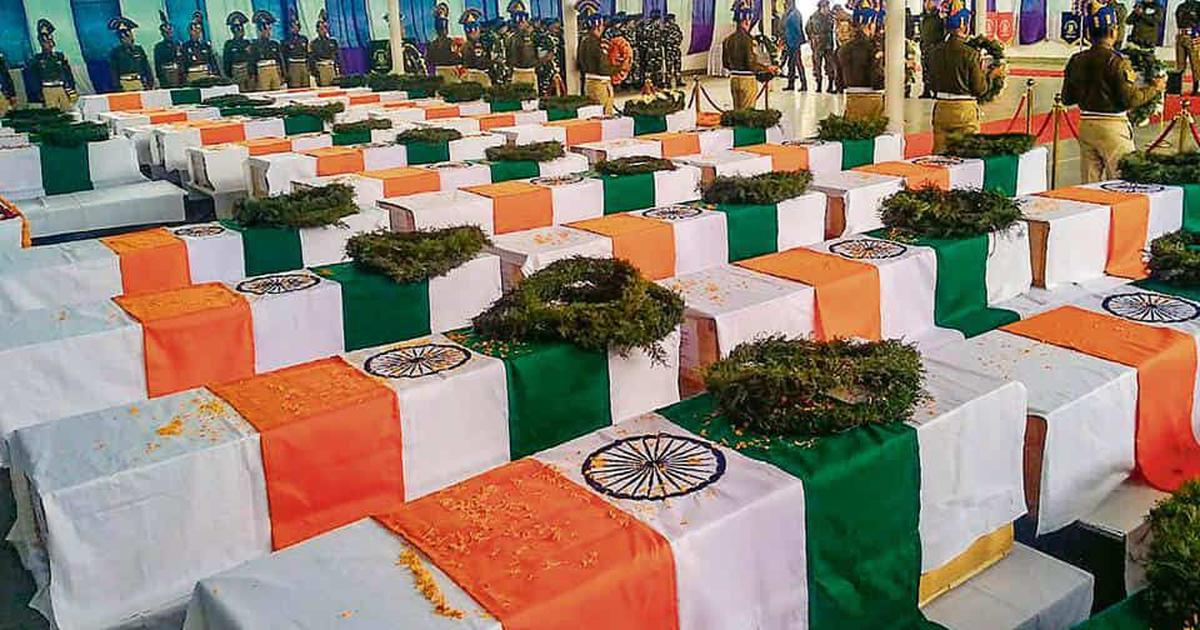
Kumar was already a sitting MP when anti-Sikh violence erupted in Delhi after the assassination of then prime minister Indira Gandhi on October 31, 1984. Over the following decades, his alleged role in separate incidents became the subject of investigations, commissions and criminal trials, with the cases producing both acquittals and convictions.
The conviction that ultimately sent him to prison came in December 2018. A trial court had acquitted Kumar in 2013 in a case relating to the killing of five Sikhs in Raj Nagar in Delhi Cantonment, while convicting five other accused. The Central Bureau of Investigation challenged his acquittal.
On December 17, 2018, the Delhi high court reversed that acquittal. After examining witness evidence, the court found Kumar guilty of criminal conspiracy and offences connected with the killing of five members of a Sikh family and the burning of the Raj Nagar gurdwara on November 1 and 2, 1984. It sentenced him to imprisonment for the remainder of his natural life.
Kumar resigned from the primary membership of the Congress the following day, writing to then party president Rahul Gandhi that he was stepping down in the wake of the high court judgment. He surrendered on December 31, 2018.
His legal troubles continued. On February 12, 2025, a Delhi court convicted him in a separate case, registered at the then Saraswati Vihar police station, over the killings of Raj Nagar residents Jaswant Singh and his son Tarundeep Singh on November 1, 1984. The court found Kumar guilty of murder and other offences arising from the attack and sentenced him to life imprisonment on February 25.
Not every case against him ended in conviction. In January 2026, a Delhi court acquitted Kumar in a case relating to violence in Janakpuri, ruling that the prosecution had failed to establish beyond reasonable doubt that he had instigated the mob or participated in a conspiracy.
The legal proceedings in that case, however, did not end with the acquittal. On May 26 this year, the Delhi high court admitted an appeal challenging the Janakpuri verdict and issued notice to Kumar. He had also earlier been discharged in a separate case relating to violence in Vikaspuri, with a challenge to that discharge pending before the high court.
Kumar continued to challenge his convictions. His appeal against the 2018 Delhi high court judgment remained pending before the Supreme Court. On Thursday, the day he died, the court was scheduled to hear his plea seeking three weeks’ parole on medical grounds concerning his ailing wife, but the matter did not come up for hearing. He had separately appealed his 2025 conviction before the Delhi high court.
Kumar’s death therefore came while he remained incarcerated under the life-imprisonment sentences imposed in two separate 1984 cases, even as proceedings linked to several cases continued before higher courts. His final years were spent in prison, decades after a political career that had taken him from Delhi municipal politics to three terms in the Lok Sabha.