



US is sending another carrier to replace USS Abraham Lincoln. What prompted this move?
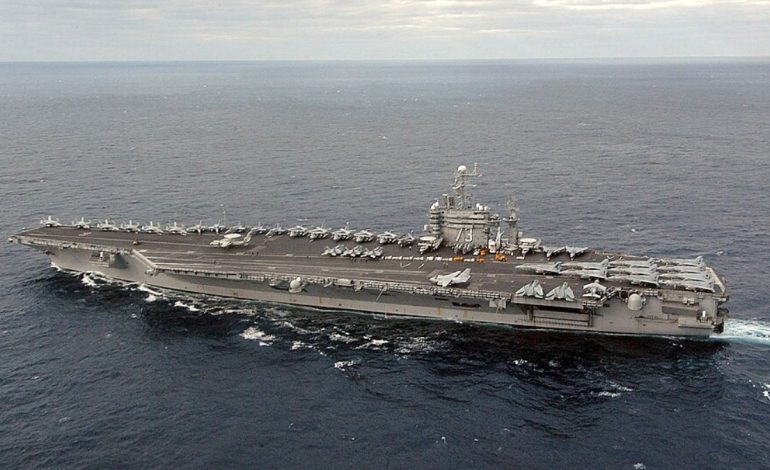
USS George Washington heads to the Middle East as USS Abraham Lincoln faces a prolonged deployment. Image Credit: Wikimedia

New Delhi: The US Navy is facing growing questions over the prolonged deployment of the USS Abraham Lincoln, as concerns mount over conditions aboard the aircraft carrier and the wellbeing of its nearly 5,000 sailors and marines. The carrier has been supporting US military operations against Iran and has remained at sea well beyond its originally planned return date.
The concerns have reached the US Congress, with Democratic lawmakers seeking answers from the Pentagon over reports of supply shortages, plumbing problems, disruptions to mail and deteriorating mental health among the crew.
Senator Richard Blumenthal has written to defence secretary Pete Hegseth and acting navy secretary Hung Cao, asking what steps are being taken to support personnel aboard the carrier. Senator Ruben Gallego has also sought an overnight visit to the Lincoln by a bipartisan group of lawmakers to assess conditions on the ship.
The Navy has pushed back against some of the reports. Hegseth has defended the crew and said the Navy provides its sailors with the support and supplies they need during extended deployments. The Navy has also said it has not identified an increase in reported suicidal ideation or suicide attempts aboard the Lincoln and that medical, mental health and counselling services remain available.
The concerns come as the Navy prepares to move another aircraft carrier, the USS George Washington, towards the Middle East. A US official has said the carrier is expected to relieve the Lincoln, although the timing of the handover remains unclear.
Why has the USS Abraham Lincoln been deployed for so long?
The USS Abraham Lincoln left San Diego on November 21, 2025, and was initially expected to return home in May. Its deployment was extended as the conflict with Iran continued, leaving the crew at sea for more than eight months.
The carrier has not simply been maintaining a presence in the region. It has been involved in US military operations against Iran and supported the US blockade of Iranian ports.
During the early stages of the war, Hegseth said the Lincoln came under attack from Iranian missiles and one-way attack drones, which he said were intercepted. The carrier also took part in enforcing the US blockade, which began in April, was interrupted by a ceasefire in June and resumed in July.
The extended deployment has now created concerns about the effect of sustained operations on both the crew and the ship itself. Long deployments can increase wear on equipment, complicate maintenance schedules and leave personnel with less time away from operational duties.
US Navy Vice Admiral Mike Franken (retired) has warned that repeatedly extending deployments beyond normal schedules can eventually affect the Navy’s readiness and maintenance plans.
The Lincoln is not the only carrier to have faced an unusually long deployment. The USS Gerald R Ford spent 326 days deployed before returning home in May, setting a post-Vietnam record for a US aircraft carrier. Its deployment also involved reported problems with food, mail and equipment.
The latest concerns around the Lincoln have also brought renewed attention to reports about the mental strain on its crew. Navy Times has reported several incidents involving sailors attempting to go overboard during the deployment, while families have raised concerns about the prolonged separation from their relatives and the lack of a clear return date.
There has also been a separate claim surrounding the carrier that remains unverified. As RNA Media reported, Iranian state-linked outlets had claimed that seven US sailors were killed in an alleged brawl aboard the Lincoln. The claim has not been confirmed by the US Navy or independent Western media and therefore remains unverified.
The documented concerns, however, extend beyond that unverified claim. Military families have publicly questioned the conditions aboard the carrier, while lawmakers have called for greater scrutiny of the deployment and its effect on personnel.
The planned movement of the USS George Washington towards the Middle East could provide the Navy with an opportunity to rotate the Lincoln out of the region after one of its longest deployments. At the same time, the situation highlights the broader challenge facing the US Navy of sustaining prolonged operations while maintaining the readiness of its ships, crews and equipment.