


J&K SIA raids nine locations in 1990 Kashmiri Hindu double-murder case. What happened 36 years ago?
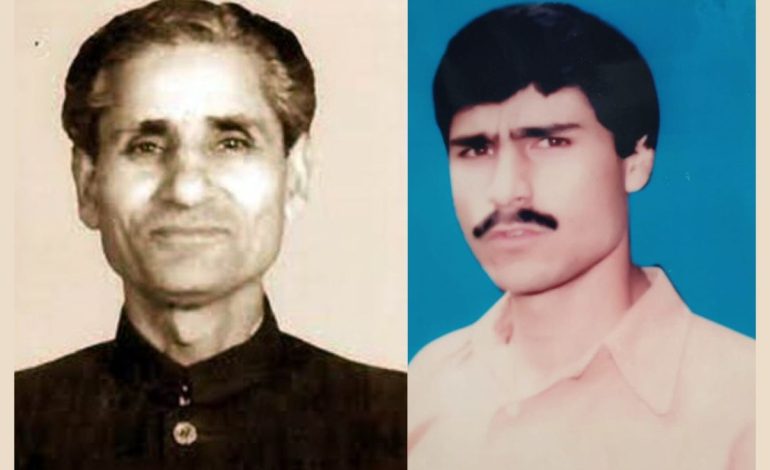
36 years on, SIA reopens probe into the killing of a Kashmiri Pandit writer and his son. Image Credit: Wikimedia.

New Delhi: The Jammu & Kashmir Police State Investigation Agency (SIA) has conducted searches at nine locations as part of its investigation into the 1990 abduction and killing of Kashmiri Hindu writer and social worker Sarwanand Koul Premi and his son, Virender Koul. The case was originally registered at Dooru police station in Anantnag and has recently been transferred to the SIA for further investigation.
The searches were carried out at multiple locations in Jammu & Kashmir, including areas of Anantnag and Jammu. One of the locations searched was in Shahbaaz Colony in the Bagh-e-Bahu area of Jammu, while several searches were also conducted in Anantnag.
Police sources said the SIA has been examining historical records and archives linked to the case and has uncovered information that could help establish the circumstances of the killings and identify those allegedly involved. The agency has not yet disclosed details of any recoveries or announced arrests in connection with the searches.
The case dates back to April 1990, when militancy and targeted killings were escalating across the Kashmir valley. Premi and his son were among the Kashmiri Hindus who remained in the valley despite the growing violence and the departure of many members of the community.
The 1990 killing of Premi and his son
Premi and his family lived in Soaf Shali village in Kokernag, Anantnag. According to reports, three armed militants entered the family’s home on the intervening night of April 29 and 30, 1990.
The militants reportedly demanded that Premi accompany them to meet their commander. When his younger son Virender insisted on going with him, both father and son were taken away.
Their bodies were recovered on May 1, 1990, after which an FIR was registered at Dooru police station. Reports state that the two had been tortured and shot before their bodies were found hanging from a tree in a forested area some distance from their home.
Premi was around 66 years old at the time of his death. He was known as a writer, poet, teacher and social worker and had advocated communal harmony in Kashmir. He had also participated in the Quit India Movement and translated works, including the Bhagavad Gita and Ramayana, into Kashmiri.
His literary and social contributions were recognized by the Jammu & Kashmir administration, which conferred a lifetime achievement award on him in 2022.
The killing took place during a period of increasing attacks against members of the Kashmiri Hindu community. Several prominent members of the community were targeted during the period, while large numbers of Kashmiri Hindus subsequently left the valley.
For more than three decades, the Premi double-murder case remained unresolved. The SIA’s latest intervention is aimed at examining the case afresh and establishing the alleged perpetrators and the wider circumstances surrounding the abduction and killings.
SIA to investigate old militancy-era cases
The renewed probe comes after the SIA made progress in another high-profile case involving the killing of a Kashmiri Hindu.
In June 2026, the agency filed a 737-page chargesheet in the 1990 killing of Sarla Bhat, a nurse at the Sher-i-Kashmir Institute of Medical Sciences. Bhat was abducted and killed in April 1990, and her body was later found in Srinagar.
The chargesheet named jailed separatist leader Yasin Malik as the prime accused in the case, according to reports. The investigation had remained pending for more than three decades before the SIA renewed its focus on the killing.
The Premi case is now also being examined as part of the agency’s efforts to pursue long-pending cases from the militancy period. Police officials have said that reconstructing such cases requires examination of old records and archives, particularly where several decades have passed since the original investigation.
The latest searches are therefore an important step in the SIA’s renewed investigation, but the agency has not yet made public the evidence gathered during the operation or said whether the searches have led to the identification or arrest of any accused.
For the Koul family, the investigation brings renewed attention to a case that has remained unresolved since 1990. The next steps will depend on the evidence recovered during the searches and the information emerging from the SIA’s continuing examination of the case.