
Japan plans first F-2 fighter jet deployment to India much to China’s chagrin
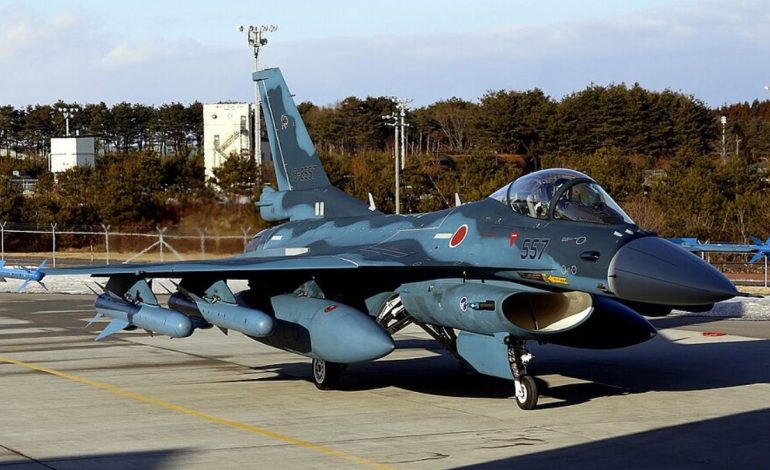
Japan plans first F-2 fighter jet deployment to India. Image Credit: Wikimedia

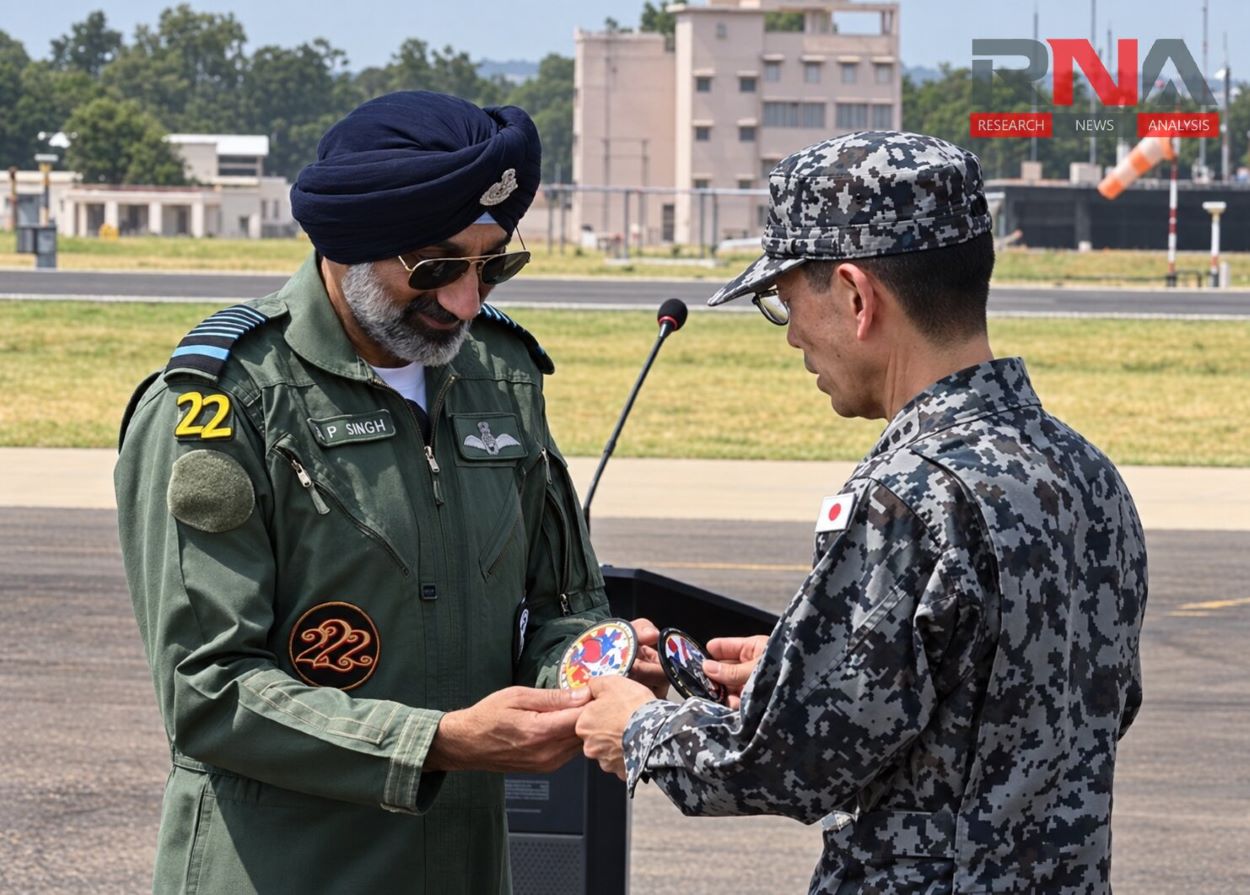
New Delhi: Japan is reportedly planning to deploy its F-2 fighter jets to India for the first time for a joint military exercise, a move that Chinese state media has linked to Tokyo’s broader efforts to strengthen security partnerships in the Indo-Pacific. According to Global Times, citing Japan’s Asahi Shimbun, a Japanese defence ministry official, who was not named in the report, said the proposed deployment was intended to send a signal aimed at “countering China.”
The reported deployment comes weeks after Japan’s 2026 Defence White Paper described China as posing the country’s greatest long-term strategic challenge, and called for deeper security cooperation with allies across the Indo-Pacific. The nearly 600-page document also reiterated concerns over China’s military activity around Taiwan and in the East and South China Seas.
Beijing rejected the assessment, accusing Tokyo of promoting a “China threat” narrative and interfering in China’s internal affairs by commenting on Taiwan. China’s foreign ministry said it had lodged “serious representations” with Tokyo over the document.
Against that backdrop, Global Times argued that the proposed deployment of F-2 fighter aircraft to India represents a practical extension of Japan’s evolving security strategy.
The planned exercise also follows the 16th India-Japan Annual Summit held in New Delhi in July, where the two countries reaffirmed their commitment to expanding defence and security cooperation. The two sides agreed to strengthen maritime security collaboration, deepen defence technology cooperation and continue discussions on Japan’s UNICORN integrated communications antenna system for the Indian Navy.
The report also noted that Japan earlier this year relaxed decades-old restrictions on exporting lethal defence equipment, allowing military sales and technology transfers to partner countries, including India.
The F-2 is Japan’s indigenous multirole fighter aircraft, jointly developed with the US and manufactured primarily by Mitsubishi Heavy Industries. Based on the F-16 platform, the aircraft is designed for air defence, maritime strike and close-support missions, and serves as one of the Japan air self-defence force’s frontline combat aircraft.
Chinese analyst’s assessment
Global Times quoted Liu Zongyi, director of the Centre for South Asia Studies at the Shanghai Institutes for International Studies, as saying that Japan is using closer defence ties with India to expand its defence exports and strengthen its strategic influence in the Indo-Pacific. He said India, meanwhile, sees the partnership as an opportunity to access advanced Japanese technology and modernise its armed forces.
Liu argued that India has traditionally pursued defence partnerships that strengthen its own capabilities while preserving strategic autonomy, rather than aligning itself with any formal anti-China bloc. He cautioned that New Delhi should avoid becoming a “frontline player” in Japan’s strategic rivalry with Beijing.
Referring to Japan’s wartime history, Liu further claimed that India should be cautious about deepening defence ties in a way that could, in his view, contribute to a revival of Japanese militarism.
No official confirmation on China angle
Neither India nor Japan has officially described the proposed exercise as being directed against China. Global Times, citing Asahi Shimbun, attributed the “countering China” framing to a single unnamed Japanese defence ministry official, while Tokyo has publicly presented its expanding defence partnerships as part of the broader Indo-Pacific security strategy outlined in its 2026 Defence White Paper.
If the deployment proceeds, it will mark another step in the steadily expanding India-Japan defence partnership, which in recent years has grown through regular military exercises, defence technology cooperation and closer coordination on regional security in the Indo-Pacific.