

Meta CEO Mark Zuckerberg apologizes to India over child abuse content, deepfakes and platform errors
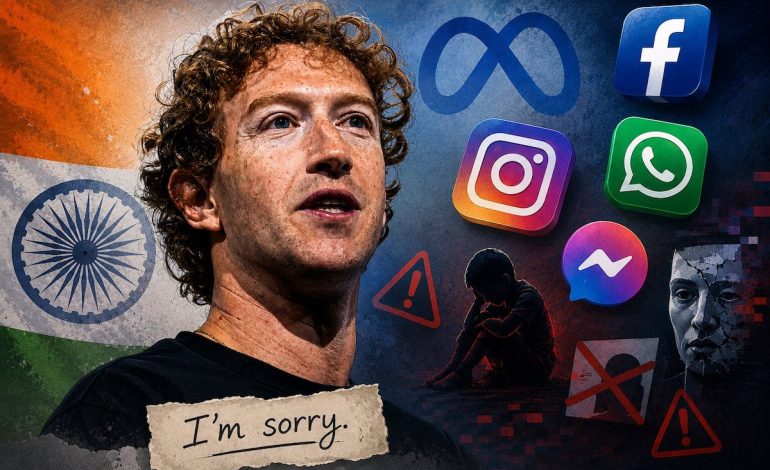
RNA Media illustration for representation.

New Delhi: Meta’s chief executive, Mark Zuckerberg, has apologized to the Indian government over child sexual abuse material, deepfake content and a string of operational lapses on the company’s platforms. The apology, conveyed through a senior Meta delegation, comes after weeks of mounting pressure from a parliamentary panel and the Ministry of Electronics and Information Technology (MeitY).
A high-level Meta delegation, led by the company’s chief global affairs officer, Joel Kaplan, met the secretary of MeitY, S Krishnan, in New Delhi on Tuesday. The meeting, which ran for around 45 minutes, followed weeks of friction between the social media giant and Indian authorities.
Sources familiar with the discussion said Zuckerberg’s apology covered the presence of CSAM, deepfake videos and what officials described as errors in operating the platform. Meta was also told plainly that it cannot claim intermediary status – and by extension safe harbour protection – under the Information Technology Act, since it actively selects who receives content.
“It was made clear to them that they are not covered under intermediary definition. They select who receives the content – safe harbour under the IT Act is not applicable,” a source said. Meta reportedly conceded that it had accepted payments to boost certain categories of content on its platforms, and apologized for what it called mistakes in operations.
Origins in Modi video row
The apology follows a fortnight of confrontation triggered by the temporary removal of a Facebook video posted by the prime minister, Narendra Modi, on July 23. The video, Modi’s first direct address to the country’s Gen Z during protests over the NEET-UG 2026 examination paper leak, was restricted on the platform for several hours before being restored.
Meta initially attributed the removal to a technical glitch and apologized, but MeitY rejected the explanation as inadequate. The incident prompted the parliamentary standing committee on communications and information technology, chaired by the BJP MP Nishikant Dubey, to summon senior Meta executives for questioning.
Dubey did not mince words. He called the removal an attack on democracy and warned that Meta’s protection under section 79 of the Information Technology Act could be withdrawn if Zuckerberg failed to apologize personally within three days.
The ultimatum carried real teeth.
Losing safe harbour would expose Meta’s India operations to direct liability – and potential criminal prosecution – for content posted by users on Facebook and Instagram, rather than the limited immunity intermediaries typically enjoy.
CSAM in paid ads under scrutiny
Separately, Meta has been facing regulatory scrutiny in India over child sexual abuse material appearing in paid advertisements on Instagram. The ministry issued a notice to the company last month over the issue, and it was raised again during Wednesday’s meeting alongside concerns over synthetically generated content and safeguards for the verified accounts of prominent public figures.
This is not the first time Meta has had to walk back a position in India. In January 2025, a senior Meta India official apologized after Zuckerberg claimed on a podcast that most incumbent governments, including India’s, had lost elections following the Covid-19 pandemic – a claim the government called factually incorrect and which Dubey’s committee threatened to summon the company over.
That episode ended with a swift climbdown from Meta India, and Dubey declared it a victory for the common citizens of India. The latest apology suggests a similar pattern: public friction with Indian regulators, followed by a quieter acknowledgement of fault once safe harbour protection comes under threat.
A familiar pattern globally
Zuckerberg has faced similar reckonings before, though rarely in India. In January 2024, he stood up during a US Senate judiciary committee hearing and apologized directly to families of children harmed by social media, after being pressed by Senator Josh Hawley over the platforms’ failure to prevent child exploitation.
That hearing followed years of congressional pressure and preceded a wave of state and federal lawsuits against Meta over child safety. India’s current approach – demanding accountability while threatening to strip legal immunity – mirrors, in some respects, the harder line increasingly being taken by regulators worldwide.
The government has not indicated whether Wednesday’s apology will be considered sufficient to close the matter, or whether the parliamentary committee will pursue further action. Meta, for its part, is yet to issue any public statement confirming the details of the apology or the commitments made during the meeting.