Modi and UK’s Burnham hold first call, back tech and Hormuz de-escalation
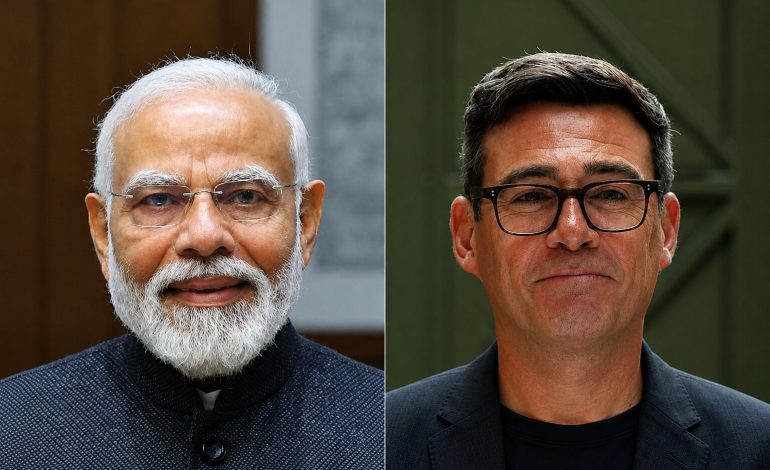

New Delhi: The prime minister, Narendra Modi, and his British counterpart, Andy Burnham, spoke by telephone for the first time on Friday, pledging deeper cooperation in artificial intelligence, defence and trade. The two leaders also turned their attention to the volatile situation in the Middle East, agreeing to work together towards easing tensions around the Strait of Hormuz.
Modi congratulated Burnham on his recent elevation to No. 10 Downing Street and wished him a successful tenure, according to a message the prime minister posted on X shortly after the call. Burnham, for his part, described the India-UK relationship as one that had made a meaningful contribution to communities across Britain, Downing Street said in its own readout of the conversation.
The exchange marked the first direct engagement between the two leaders since Burnham took charge of the British government earlier this month. It comes at a moment when London is still settling into its new administration, having only recently announced its first budgetary measures and navigated early diplomatic tests, including a meeting with Ukraine’s president, Volodymyr Zelenskyy.
Technology and trade
Both sides identified artificial intelligence as a priority area for collaboration, with Burnham reaffirming his commitment to advancing the UK-India Technology Security Initiative. Modi said the two countries had agreed to work together across technology, innovation, defence, security, clean energy, education and people-to-people ties, describing the goal as elevating the India-UK Comprehensive Strategic Partnership to new heights.
The leaders also welcomed the operationalization of the India-UK free trade agreement, which they said would generate fresh economic benefits and opportunities for citizens of both nations. Modi noted that both governments intended to fully harness the trade and investment potential unlocked by the agreement for the shared prosperity of their people.
Burnham additionally outlined his ambition to deepen ties through the UK-India Vision 2035 framework, a roadmap that already underpins an ambitious ten-year defence industrial plan agreed between the two countries. That roadmap envisages joint development of advanced technologies, including jet engines and electric propulsion systems, reflecting a broader shift in India’s defence procurement away from single-country dependence.
Middle East and Hormuz
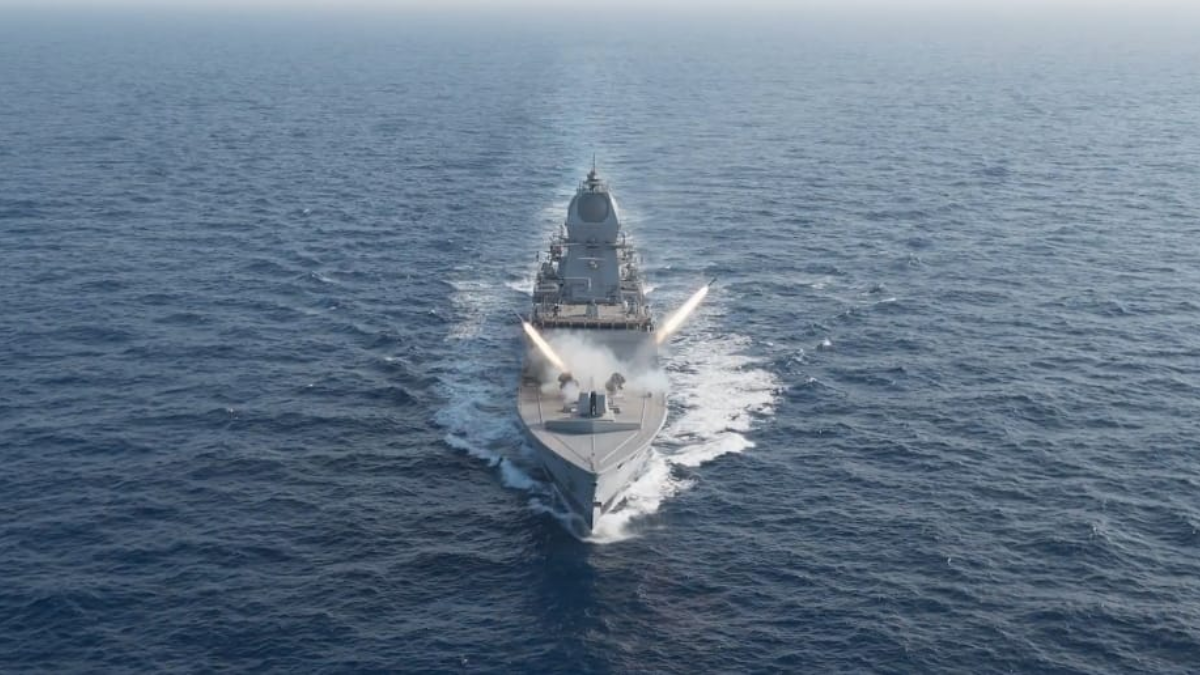
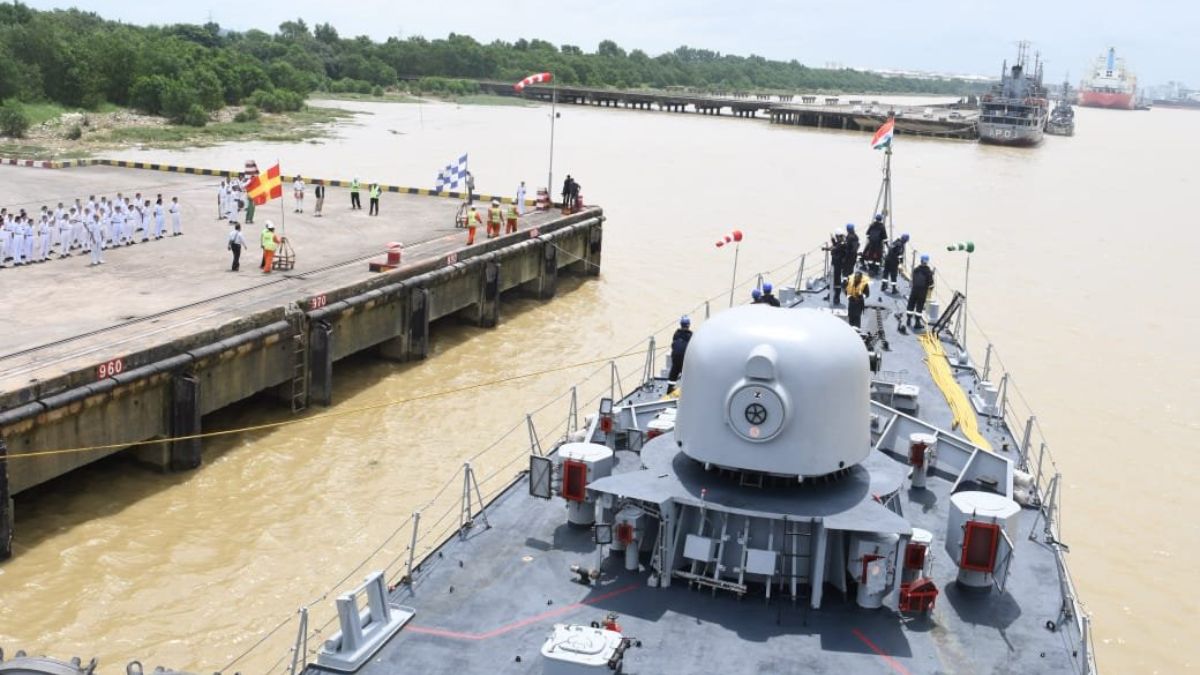
Beyond bilateral matters, the two prime ministers discussed the deteriorating security situation in the Middle East and agreed to pursue close coordination on de-escalation. According to Downing Street, both sides committed to cooperating on efforts to reopen the Strait of Hormuz, a narrow but critical waterway through which a substantial share of the world’s seaborne oil passes.
The strait has come under renewed strain in recent days. Iran’s Revolutionary Guards claimed to have struck two oil tankers attempting to transit the passage under American military escort, forcing vessels to halt or turn back, while Washington has rejected Tehran’s authority to dictate maritime routes through what it insists remains an international waterway.
Any prolonged disruption at Hormuz carries outsized consequences for global energy markets and shipping insurance, given the growing role that artificial intelligence and automated trading systems now play in compressing the timeline of such crises. This gives added urgency to the coordination Modi and Burnham have pledged, since both India and Britain rely heavily on energy flows through the chokepoint.
Cultural notes, next steps
Modi also invoked the historical connection between Manchester and Ahmedabad during the call, referring to the Gujarat city as the “Manchester of India”, while Burnham praised the contribution of the Indian diaspora to British society. Both leaders agreed to remain in close contact and expressed hope of meeting in person at the earliest opportunity.
The call builds on a defence relationship that has steadily deepened over the past decade, from the 2021 Enhanced Trade Partnership agreed under previous leaderships to last year’s Vision 2035 roadmap, which included provisions for joint research on underwater systems and directed-energy weapons. With Burnham now at the helm in London, both capitals appear keen to sustain that momentum despite the change in British leadership.