

US and Saudi Arabia formalize civil nuclear cooperation under 123 Agreement
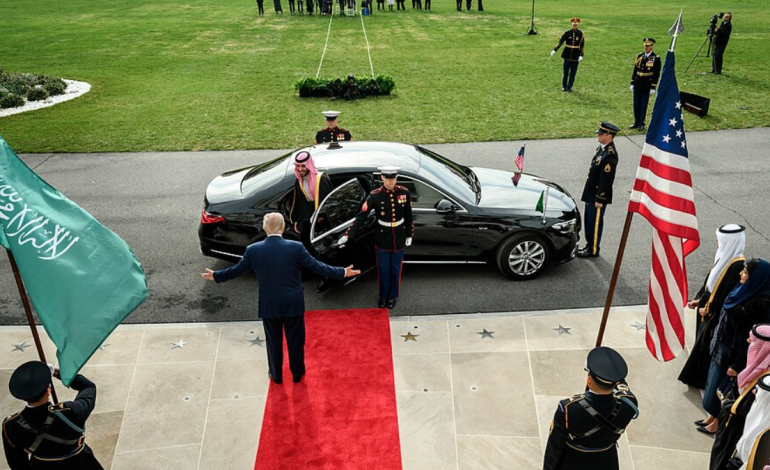
US and Saudi Arabia formalize civil nuclear cooperation. (Image courtesy: Wikimedia)

New Delhi: The United States has formally entered a landmark civil nuclear cooperation agreement with Saudi Arabia, marking a significant shift in Washington’s engagement with the Gulf kingdom and potentially reshaping the regional nuclear landscape. The agreement, announced by the US energy department, establishes the legal framework for long-term cooperation on Saudi Arabia’s civilian nuclear programme while reigniting debate over nuclear proliferation risks.
In a statement posted by the US energy department, the energy secretary, Chris Wright, and the Saudi energy minister, Abdulaziz bin Salman, signed a 123 Agreement along with a bilateral safeguards agreement. The department said the two accords lay the foundation for a “decades-long, multibillion-dollar partnership” that will expand American participation in Saudi Arabia’s nuclear energy sector while maintaining commitments to nuclear safety, security and non-proliferation.
According to the US energy department the agreement will provide American companies with greater access to Saudi Arabia’s planned nuclear energy programme, creating opportunities for US reactor manufacturers, technology firms and supply chains. Washington also described the deal as part of its broader strategy to strengthen its leadership in the global civil nuclear industry and deepen strategic cooperation with key partners.
RNA Media had earlier reported that the Trump administration was preparing to advance a 30-year civil nuclear agreement with Saudi Arabia that could move ahead without some of the traditional restrictions included in earlier US nuclear cooperation deals. The proposed framework had raised concerns among non-proliferation experts over reports that Riyadh could eventually be allowed to enrich uranium under an American-backed arrangement.
While the complete text of the agreement has not been made public, several international media reports have indicated that the deal could permit Saudi Arabia to develop uranium enrichment capabilities for civilian nuclear fuel production. Although uranium enrichment is used to fuel nuclear power plants, the technology can also produce material suitable for nuclear weapons if enriched to much higher levels, making it one of the most sensitive aspects of any civil nuclear partnership.
The agreement differs from Washington’s 2009 nuclear cooperation pact with the United Arab Emirates, under which Abu Dhabi committed not to enrich uranium or reprocess spent nuclear fuel. That distinction has prompted fresh scrutiny from lawmakers and arms-control advocates, who argue that any relaxation of longstanding US non-proliferation standards could set a precedent for future nuclear agreements.
The announcement comes at a time of heightened tensions across West Asia, with the United States and Iran locked in an escalating confrontation and security concerns growing in the Red Sea and the Gulf region. Analysts also see the agreement as part of Washington’s effort to counter expanding Russian and Chinese influence in the region’s nuclear energy market.
The agreement will now be sent to the US Congress for review. Although the Trump administration has defended the deal as fully consistent with international non-proliferation obligations, it is expected to face questions from lawmakers over its long-term strategic and security implications.