

Explainer: What the Baloch insurgents’ attack on Pakistan’s Jiwani mean for Gwadar and CPEC’s future
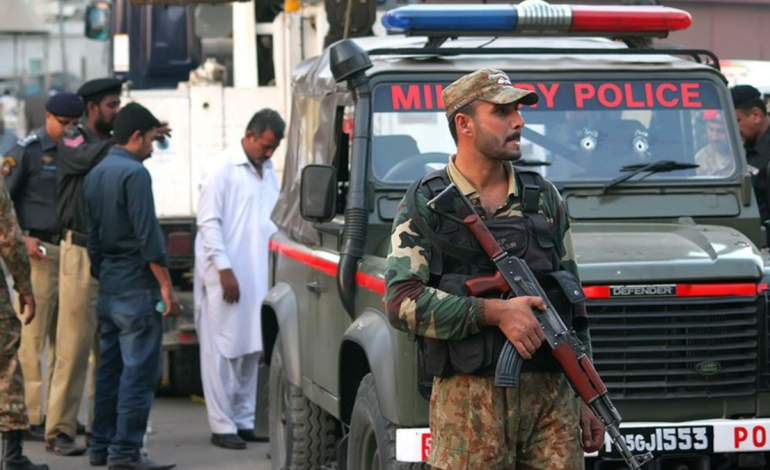
Representational image (Image courtesy: Wikimedia)

New Delhi: Every few months, Gwadar makes news for an insurgent attack. This one is worth pausing on for longer than usual – not just because of the scale being claimed, but because of what it reveals about how the Baloch insurgency is evolving, and what that means for Pakistan’s flagship port project.
What actually happened
On the evening of July 3, a Pakistan Coast Guards camp in the Panwan area of Jiwani, part of Gwadar district, came under a major assault. The Pakistani insurgent group Baloch Liberation Army’s Majeed Brigade, its dedicated suicide-attack unit, claimed responsibility.
The group said a bomber it identified as Ataullah Baloch, alias Ajmal, drove an explosives-laden Mazda truck into the camp at around 6.32pm local time and detonated it. The BLA said the blast destroyed a large part of the camp, reducing the fortified structure to rubble.
The group’s spokesman, Jeeyand Baloch, followed up by saying its Fateh Squad fighters then engaged survivors at close range, and claimed a combined toll of more than 30 personnel killed. Pakistani military and civilian authorities have not confirmed any of these figures, and independent verification remains unavailable.
What has happened since
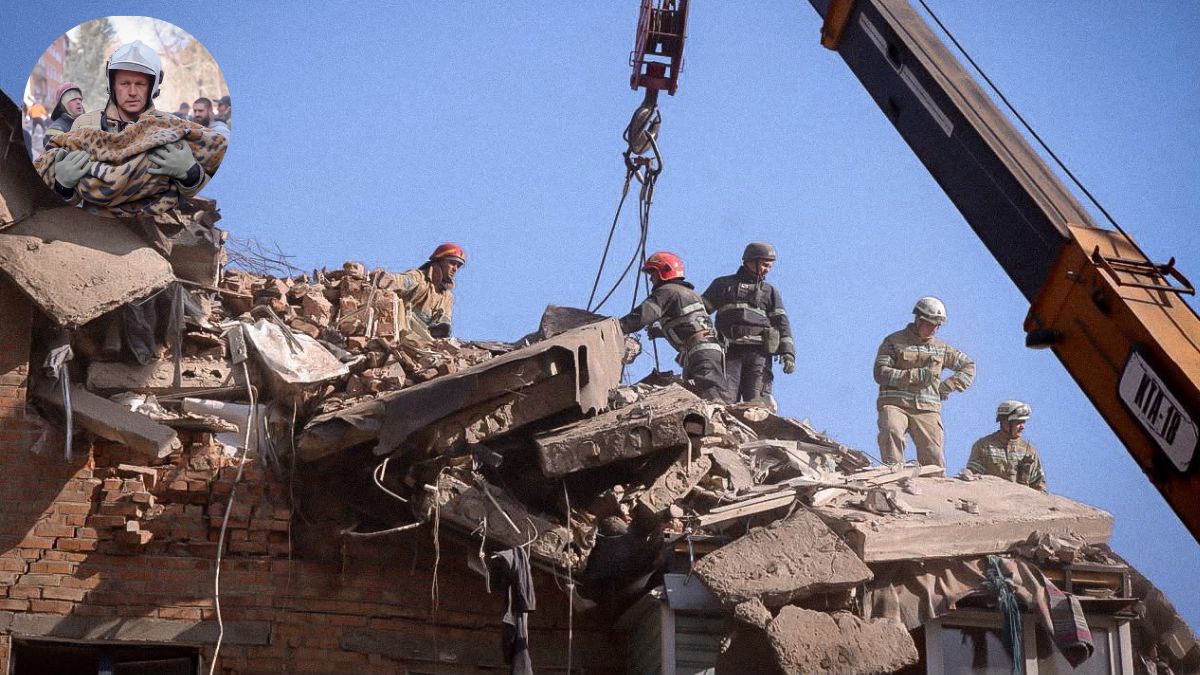
Pakistan’s military has since disclosed a much larger, separate toll. Three militant attacks since July 5 – near Quetta, at a police post guarding the Mangi Dam project in Ziarat, and on a Pakistani army convoy on the N-25 highway near Bela – killed 42 people, while security forces killed 54 militants in the operations that followed.
Of the 42 dead, Pakistan’s military said four were civilians, 27 were policemen and 11 were security personnel. At Ziarat, attackers took surviving police personnel hostage after the initial assault on the post guarding the dam’s pumping station, before security forces regained control.
These attacks are distinct from the Jiwani bombing and were not claimed exclusively by the BLA. Officials have pointed to both the BLA and the Tehreek-e-Taliban Pakistan as active across the province in this period. (Pakistan’s military now formally refers to the TTP as Fitna al-Khawarij.)
Notably, Pakistan’s military spokesperson also accused India of orchestrating the attacks, without presenting evidence, while India has consistently denied backing separatist or jihadist groups in Pakistan. Taken together, the two episodes make clear that Jiwani was not an isolated spike but part of a broader, sustained surge in violence across Balochistan.
Why this attack stands out
Three things separate the Jiwani strike from the routine drumbeat of Baloch insurgent activity in the region. First is the method – a large vehicle-borne suicide bombing aimed squarely at a fortified security installation, rather than an ambush or hit-and-run.
Second is the claimed scale, which, if even partly accurate, would rank among the deadliest single strikes on Pakistani security forces in Balochistan in recent years. Third is the timing.
The attack came just days after the BLA said it had carried out 23 separate operations across Balochistan between June 21 and 30, killing 16 security personnel and targeting infrastructure and vehicles it associated with what it called “exploitative projects”. The group described part of that campaign as an economic blockade aimed at commercial routes – language that ties the insurgency’s stated goals directly to CPEC-linked infrastructure, rather than purely to the state’s security apparatus.
Why Gwadar keeps coming up
Gwadar is not just another Pakistani port. It is the anchor project of the $62 billion China-Pakistan Economic Corridor, meant to link western China and Central Asia to the Arabian Sea, and it sits close to the Strait of Hormuz, through which a large share of the world’s energy shipments passes.
That combination of geography and Chinese investment has made it a recurring target. Chinese engineers, the Gwadar Port Authority complex, a hotel frequented by foreign visitors, a Pakistan Coast Guards patrol boat at sea and now a coast guard installation on land have all been hit at different points over the past several years.
The BLA has also struck Turbat naval base directly and, after an earlier attack on a patrol boat near Jiwani, announced a dedicated naval wing – a claim to standing capability rather than a one-off strike. A drone unit had reportedly been added to its arsenal months before that. Land, sea and now a hardened static installation on the coast: the insurgency has extended its reach across nearly every domain a port’s security plan is meant to cover.
The bigger question this raises
Attacks on security installations are one thing. An insurgent group explicitly framing commercial vehicles and infrastructure as targets of an “economic blockade” is another – it suggests the BLA sees choking off Gwadar’s economic activity, not just striking the state, as a strategic objective in itself.
That matters because ports run on predictability. Shipping schedules, insurance costs and inland freight movement all depend on operators believing the environment around a facility is stable enough to do business in.
A security assault on the port authority complex is bad. A sustained campaign against the roads and vehicles that keep goods moving – layered on top of a week in which the military itself confirmed 42 more deaths across the province – is arguably worse for the project’s long-term commercial prospects, because it targets the connective tissue a port depends on, not just its perimeter.
Pakistani and Chinese officials continue to describe CPEC as broadly on track, pointing to a 2026 order formally routing Iran-bound transit cargo through Gwadar as evidence of the port’s growing commercial relevance – a claim worth weighing alongside, not instead of, the security record above.
What to watch next
A few things will matter in the coming days and weeks. Whether Pakistani authorities issue any casualty confirmation or damage assessment specific to Jiwani; how Islamabad follows through militarily and politically in Balochistan beyond this week’s clearance operations; whether China issues any statement given the scale of its investment tied to CPEC; and whether the BLA releases the fuller breakdown of the Jiwani operation it has promised.
Each of these will shape whether this becomes another entry in a familiar cycle of attack and response, or a marker of a genuinely escalating campaign against Gwadar’s economic viability, and not just its security perimeter.