US-Iran resumes indirect talks in Doha over $6 billion frozen assets, no direct talks planned
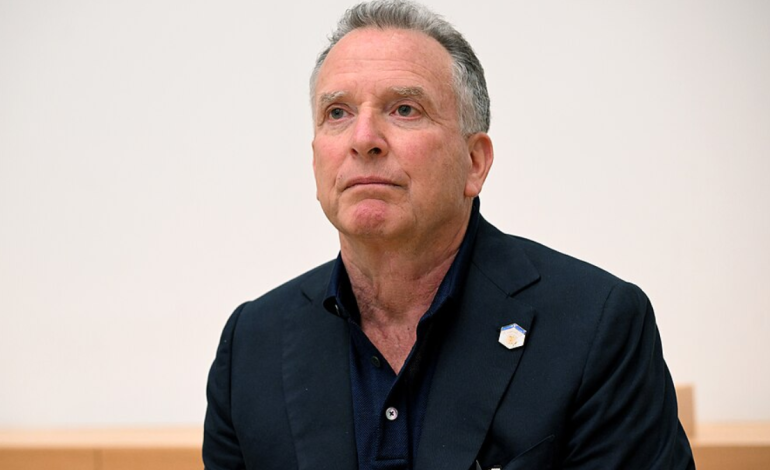
US special envoy Steve Witkoff reached Qatar. (Image courtesy: Wikimedia)

New Delhi: Fresh diplomatic efforts between the United States and Iran are set to begin in Doha on Wednesday, as both countries restart indirect negotiations aimed at implementing their recent ceasefire agreement reached earlier this month. Among the first issues expected to be discussed is the release of at least $6 billion in frozen Iranian assets, a key provision of the understanding reached earlier this month.
Despite the renewed engagement, Washington and Tehran remain unwilling to sit across the table. US special envoy Steve Witkoff and senior adviser Jared Kushner reached Qatar on Tuesday, but discussions with Iran are expected to take place through Qatari intermediaries. Iran has reiterated that no direct meetings with the American delegation are planned.
Tehran has argued that the immediate focus should remain on carrying out the ceasefire commitments before broader negotiations begin. While the agreement signed on June 17 also envisioned discussions on Iran’s nuclear programme, those negotiations have yet to get underway, leaving the wider diplomatic roadmap largely untouched.
The Strait of Hormuz remains the biggest hurdle in the process. Iran insists it shares responsibility with Oman for overseeing navigation through the strategic waterway and has indicated that commercial shipping could become subject to transit charges after the current 60-day arrangement expires in mid-August.
The proposal has drawn a firm response from Washington. The US vice-president, JD Vance, said his country would not permit Iran to levy tolls on vessels using the international shipping lane, even as he claimed that oil flows through the Strait of Hormuz had largely recovered to levels seen before the conflict.
The latest diplomatic push comes days after military tensions threatened to derail the ceasefire. US forces struck Iranian military sites after drones attacked commercial ships, and Iran retaliated with missile strikes on US military bases in Kuwait and Bahrain, as previously reported. The exchange reinforced concerns about how quickly the fragile truce could unravel.
Although crude oil prices have eased in recent days as shipping activity slowly returns, the United Nations has cautioned that the conflict’s economic impact may continue to be felt in many countries through elevated food and energy costs.
The ceasefire framework also includes efforts to reduce tensions beyond the Gulf, including proposals linked to Lebanon. However, questions remain over a separate US backed plan involving Israel and Hezbollah after senior Lebanese leaders voiced reservations about its terms.
With both sides opting for indirect diplomacy, the Doha talks are expected to determine whether the ceasefire can move beyond crisis management and evolve into a broader political process, even as deep disagreements over maritime security, regional stability and Iran’s nuclear programme remain unresolved.