

Mahesh Dixit to head Intelligence Bureau as Tapan Kumar Deka’s extended tenure ends
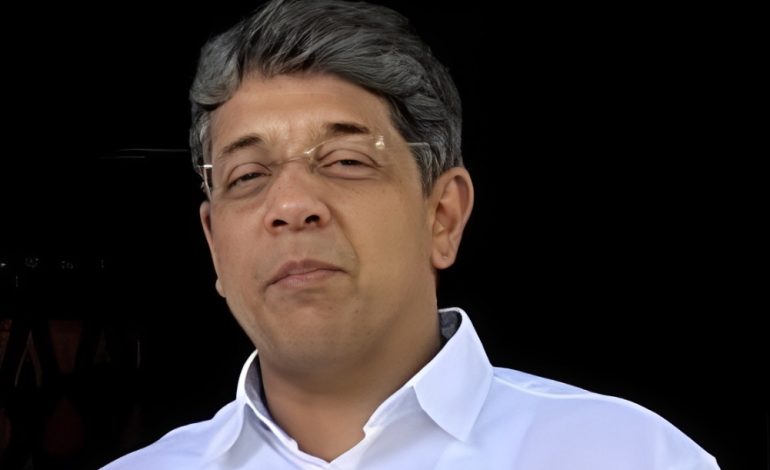
Mahesh Dixit. (Photo via X)

New Delhi: The Cabinet’s Appointments Committee has approved the appointment of Mahesh Dixit, a senior Indian Police Service officer, as the new director of the Intelligence Bureau, India’s principal domestic intelligence agency. This also brings to a close the tenure of one of the organization’s longest-serving chiefs – Tapan Kumar Deka.
Dixit, a 1993-batch IPS officer born in 1967, takes over from Deka, a Himachal Pradesh-cadre officer of the 1988 batch who has headed the IB since July 1, 2022, and whose extended tenure concludes on June 30.
Over a career spanning more than three decades, Dixit has accumulated considerable experience in internal security and counterintelligence. A significant portion of that career was spent at the Subsidiary Intelligence Bureau in Srinagar, where he directed operations across Jammu & Kashmir and the Leh region – postings that placed him at the centre of some of the most consequential security challenges India has faced in recent years.
Officials who have worked with him say Dixit was closely involved in the intelligence groundwork that preceded and followed the abrogation of Article 370 in August 2019. He worked in direct coordination with the Union home minister, Amit Shah, on security preparations during that period – a measure of the confidence placed in him at the highest levels of the Union home ministry.
In September 2024, Dixit was among four 1993-batch IPS officers promoted from additional director to special director in the IB, in what the government described as a temporary appointment for a period of two years. The other three elevated alongside him were Rithwik Rudra of the Himachal Pradesh cadre, Praveen Kumar of the West Bengal cadre, and Arvind Kumar of the Bihar cadre. The promotions were widely read as a deliberate effort to reinforce the bureau’s senior tier at a time of heightened regional turbulence.
Those familiar with Dixit describe him as a methodical officer who has consistently operated below the public radar, a trait that sits naturally with the IB’s institutional culture of low visibility and high consequence.
Deka’s record tenure
The outgoing chief, Tapan Kumar Deka, was appointed the 28th director of the IB on July 1, 2022, with an initial two-year term that was due to expire on June 30, 2024. The government extended his service on two occasions – first by a year to June 30, 2025, and then by a further year to the end of this month – making him the longest-serving IB director since the post was capped at a two-year tenure in 2005. The second extension, approved on May 20, 2025, was granted under FR 56(d) and Rule 16(1A) of the All-India Services (Death-cum-Retirement Benefits) Rules, 1958, provisions that permit continuance in service in the public interest.
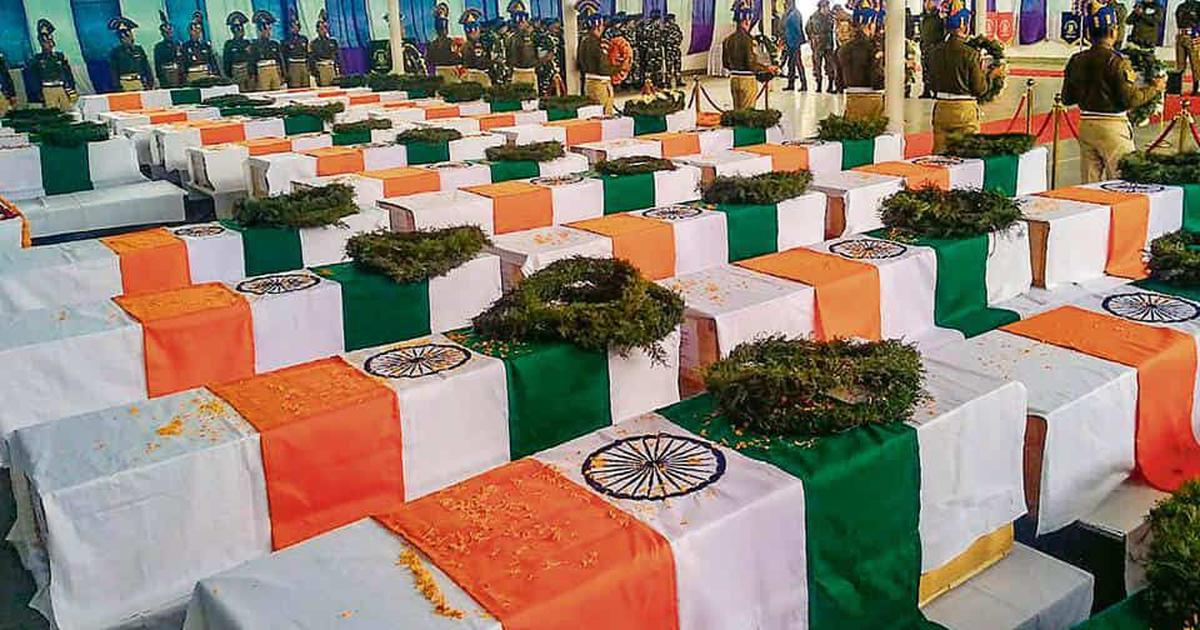
Deka’s record at the helm is substantive. He was involved in investigations into the 2008 Assam serial bombings and played a part in the inquiries that followed the Pathankot air base attack and the Pulwama suicide bombing. He was also a key figure in the arrest of Yasin Bhatkal, the founder of the Indian Mujahideen terror network, from Nepal.
Under his watch, the IB strengthened coordination with state police forces and central agencies, and the bureau is reported to have established a dedicated China desk to monitor developments along the Line of Actual Control – an acknowledgement that the management of the northern frontier has moved beyond purely military considerations.
A Raj-era 19th-century institution
The Intelligence Bureau traces its origins to 1887, when it was established as the Central Special Branch under the colonial administration, making it among the oldest intelligence organisations in the world still in operation. Until 1968, it had responsibility for both domestic and external intelligence. The creation of the Research and Analysis Wing that year separated the two functions, with the IB retaining the internal security and counterintelligence mandate it holds today.
The bureau functions under the Ministry of Home Affairs, but its institutional reach extends well beyond the ministry. The IB director is a member of the Strategic Policy Group and the Joint Intelligence Committee of the National Security Council and carries the authority to brief the prime minister directly – a remit that gives the office an influence disproportionate to its relatively modest public profile.
Dixit steps into that role at a moment when India’s internal security environment remains complex: the post-Operation Sindoor regional climate, persistent infiltration threats across J&K, and the evolving challenge of left-wing extremism in central India are among the files that will land on his desk from the first day.