


US-Iran peace deal: Israelis react angrily, prominent voices express concern
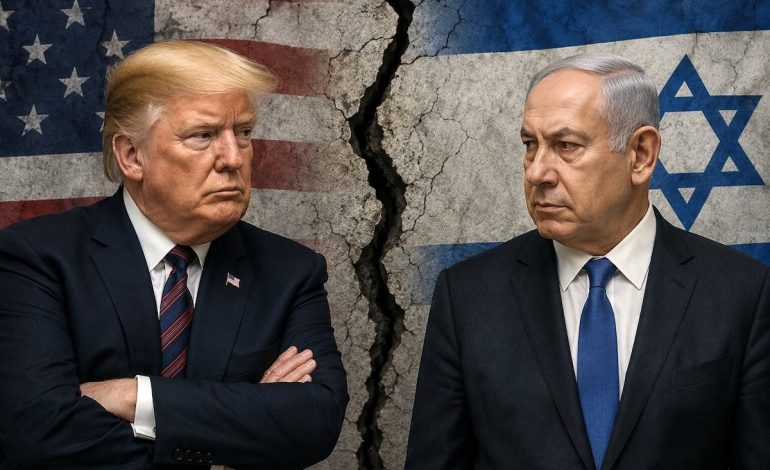
Illustration for representation.

New Delhi: The recently announced MoU (memorandum of understanding) between the United States and Iran has sparked widespread outrage and deep anxiety in Israel. As the international community applauds the agreement as a diplomatic breakthrough to end the ongoing conflicts in the Middle East, Israeli politicians across the spectrum and ordinary citizens criticize the deal for sidelining the security interests of their nation. Many fear their strategic priorities have been burned in the administration’s rush to secure a foreign policy victory.
Brokered by the US president, Donald Trump, the preliminary framework establishes a 60-day ceasefire, reopens the Strait of Hormuz, and lifts the American blockade on Iranian ports. During this period, Washington and Tehran are expected to negotiate a permanent resolution regarding Iran’s nuclear programme. However, the pact reportedly ignores Iran’s ballistic missile capabilities and its continued support for regional militant groups, leaving Israelis to feel uniquely vulnerable.
Broad political condemnation
The prime minister, Benjamin Netanyahu, has cautiously navigated the diplomatic fallout, avoiding direct confrontation with Trump. Netanyahu stated that he had agreed with the US leader that any final agreement must eliminate the nuclear threat, reaffirming Israel’s right to defend itself on every front, including Lebanon. Despite this, his domestic rivals have been quick to weaponize the development. By 8pm on Sunday, the opposition leader, Yair Lapid, took to social media to describe the pact as “one of the most shocking failures in Israel’s foreign and security policy”.
The Israeli defence minister, Israel Katz, emphasized that Israel will not relinquish the territory it currently occupies in southern Lebanon, calling it a vital strategic buffer. Katz warned that Tel Aviv is prepared to retaliate with full force if Iran chooses to strike back amid the ongoing regional military campaigns. Meanwhile, the country’s finance minister, Bezalel Smotrich, labelled the accord detrimental to Israel and the broader free world, arguing that the relentless pressure campaign against Tehran should not be abandoned just as it yields tangible progress.
Citizens voice feelings of betrayal
The anger extends well beyond the halls of government, trickling down to the streets of Jerusalem and Tel Aviv. Citizens have expressed frustration that the peace plan prioritizes American geopolitical and economic interests – such as global shipping stability – over Middle Eastern security. Guy Bar Natan, an Israeli citizen, stated that the arrangement caters to American interests alone and represents the worst possible outcome for Israel’s national security.
Other residents fear the agreement, which formalized its initial terms on June 15, 2026, is merely a temporary pause rather than a lasting solution. Yael Alon, another citizen, noted her dissatisfaction, predicting that the fragile peace will only last through Trump’s term before old conflicts re-emerge. Carmiel Frutkoff echoed these concerns, asserting that trying to compromise with a regional adversary will never result in durable peace. From an Indian perspective, observing how the US handles its complex alliances offers critical insights into broader geopolitical dynamics, particularly concerning global energy security and the shifting strategic posture of major powers.