




Gadkari approves E100 fuel norms, carmakers announce 100% ethanol vehicles
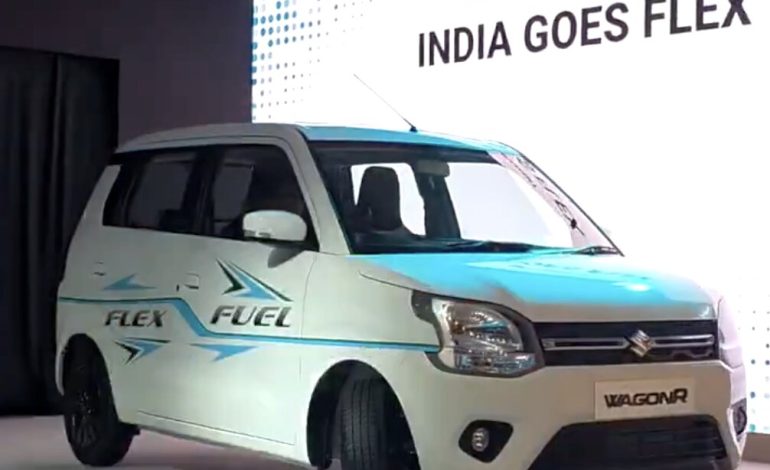
This screenshot from a video shows Maruti’s WagonR Flex, which can run on 100% ethanol.

New Delhi: In a major mobility fuel reform in India, the road transport and highways minister, Nitin Gadkari, said the government had now approved the new regulations for the use of E100 fuel that enables cars to run on 100 per cent ethanol. At an event in Nagpur on Sunday, Gadkari said he had officially approved the E100 fuel regulations last Friday, a further step for the nation toward cleaner and alternative fuels.
The announcement is part of India’s biofuel mission, and it could reshape the future of mobility in the country. The new automobile fuel framework will now kickstart preparations by the carmakers, fuel retailers, and testing agencies for the commercial rollout of the ethanol-powered vehicles.
The E100 regulations build upon the reported success of the E20 programme, which achieved 20 per cent ethanol blending in car fuel until April. The ethanol project, the government had previously said, helped the nation to save over ₹100,000 crore in crude oil imports, while generating around ₹80,000 crore in income for farmers.
Carmaker Maruti Suzuki immediately announced the launch of its E100-compliant WagonR small passenger car, one of the first mass-produced vehicles fuelled by 100 per cent ethanol. Gadkari, along with the petroleum minister, Hardeep Singh Puri, launched the WagonR variant. WagonR is a bestselling hatchback, and the E100 variant could help popularize the flexi-fuel technology among Indian car buyers.
Not only Maruti Suzuki, but also carmakers Toyota, MG, and Hyundai announced they would produce the E100-compatible cars in the coming weeks. Two-wheeler company Hero MotoCorp has already launched two flexi-fuel motorcycles that operate on 100 per cent ethanol. The E100 is expected to reduce fuel costs for vehicle users, as the E85 fuel is already priced lower than regular petrol in many regions of the country.
Ethanol would be advantageous for the nation, as it reduces dependence on imported fossil fuels and helps support farmers’ income. E100 would be used in specially engineered flexi-fuel vehicles and is not meant for regular petrol cars. However, E20 fuel-compliant petrol cars can continue to operate as before without any modifications under the new regulations.