

Straying Ukrainian Drones Trigger War Fears In Finland, Baltic States As Norway Moves Into French Nuclear Umbrella
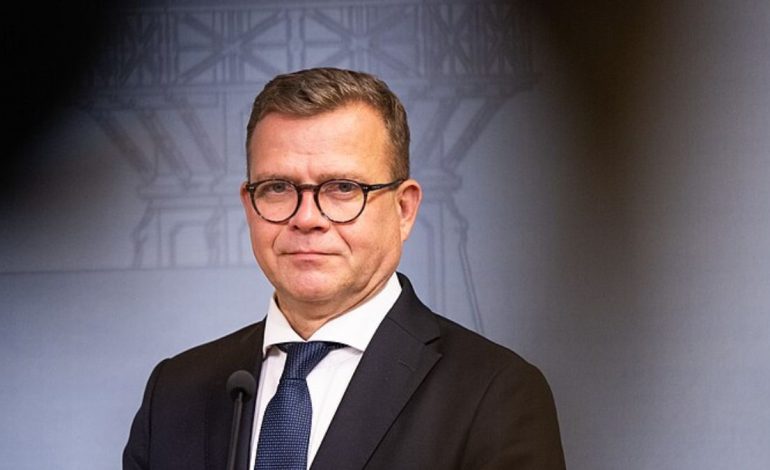
Finland and the Baltic states are facing growing security fears after multiple drones linked to the Russia-Ukraine conflict entered NATO airspace, triggering military alerts and intensifying calls for stronger European defence coordination. Image courtesy: Wikimedia Commons.

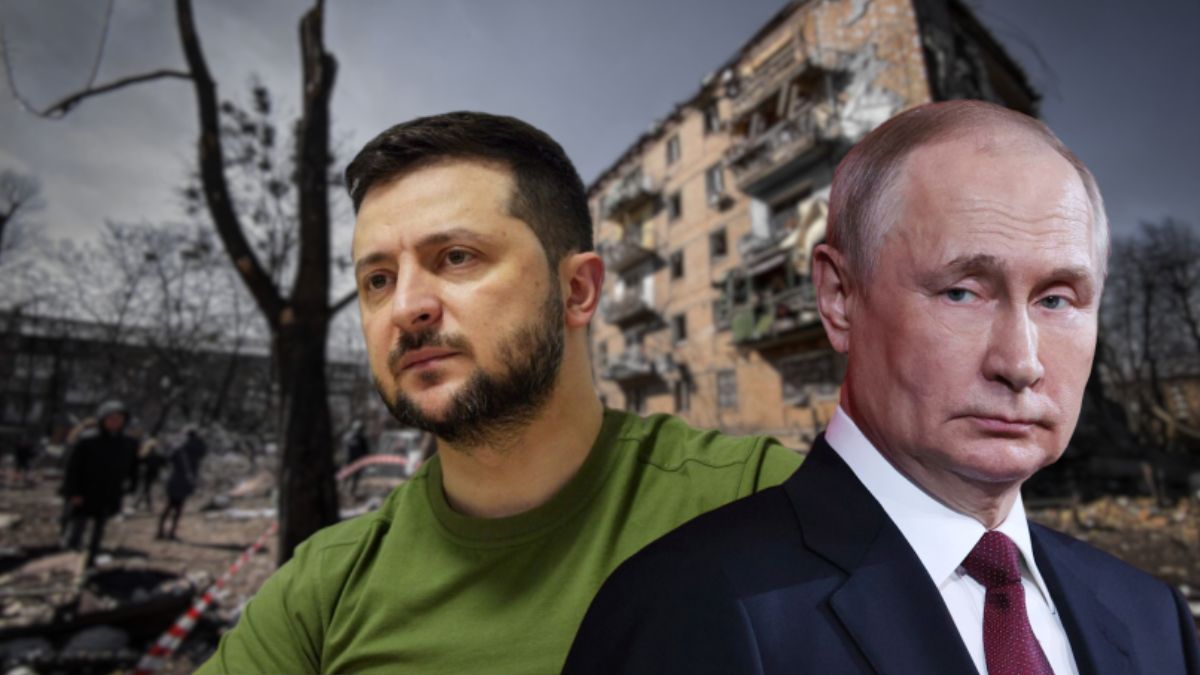
Finland, Estonia, Latvia, and Lithuania fear the Russia-Ukraine war would spill over into NATO territory after drones used during the military operations strayed into their airspace.
With Ukraine escalating the war with long-range attacks on Russian Baltic Sea oil shipping ports, some of its drones have missed the targets, leading to concerns they may hit civilian locations in neighbouring NATO member nations.
Those fears have already led to the collapse of the Latvian government, though these nations have not confirmed if the drones were of Ukrainian origin.
On March 25, two stray Ukrainian military drones entered Estonia and Latvia via Russian territory, one hitting a chimney at Estonia’s Auvere power station near the Russian border and the other crashing in Latvia. Lithuania reported a Ukrainian drone crashing into a lake in its territory.
On March 29-30, Finland reported a suspected territorial violation by drones in its southeast and deployed an F/A-18 combat aircraft. One of the unmanned aerial vehicles was identified as a Ukrainian AN-196 drone.
Finnish Prime Minister Petteri Orpo said strong Russian electronic jamming could be the reason for the Ukrainian drones crossing into his nation’s airspace.On March 31, Estonia and Latvia detected foreign drone activity near their Russian border, and Finnish border guards found a drone on their territory. Later, Estonia discovered drone debris in Tartu County.
On April 1, Estonia’s armed forces said Ukrainian drones were detected inside their nation’s airspace, but were intended to strike Russia. On May 7, Latvia and Lithuania called on NATO to strengthen air defence after two stray drones crossed over from Russian airspace and crashed in Latvia, one exploding at an oil storage site in Rezekne, causing damage.
On May 10, Andris Spruds resigned as Latvia’s Defence Minister after Prime Minister Evika Silina said anti-drone systems were not deployed quickly enough. Ukraine claimed the drones were from its inventory but were diverted by Russian electronic warfare.
On May 14, Silina resigned as Prime Minister, forcing a collapse of the Latvian coalition government after Spruds’ Progressive party withdrew support.
The next day, Finnish authorities warned its 1.8 million citizens in the Helsinki region to stay indoors due to suspected drone activity and suspended air traffic, after scrambling fighter aircraft. President Alexander Stubb, however, said there was no direct military threat to Finland.
On May 17-18, explosives were found near the debris of a suspected Ukrainian military drone that crashed in Lithuania, near the Latvian border and Belarus. Lithuanian officials said the drone was not detected when it entered the country.
On May 19, a Romanian NATO fighter aircraft shot down a suspected Ukrainian drone over Estonia after it entered its airspace from the Russian side.
Ukraine apologised to all these nations, blaming Russia for redirecting the drones by electronic jamming and denying it used any of their airspace to strike Russia.
On May 20, Lithuania issued an “air danger warning”, asking its people in Vilnius to take shelter and suspending air traffic over the capital’s airport due to drone sightings.
Lithuanian lawmakers sought refuge underground at the parliament, while train traffic was suspended and schools and kindergartens were told to take children to shelters. The government said the drone’s origin was not confirmed.
On May 21, Latvia’s armed forces said at least one drone was flying over the nation’s airspace and that NATO fighter aircraft were seeking to combat the aerial threats. It said the citizens on the borders with Russia and Belarus should take shelter.
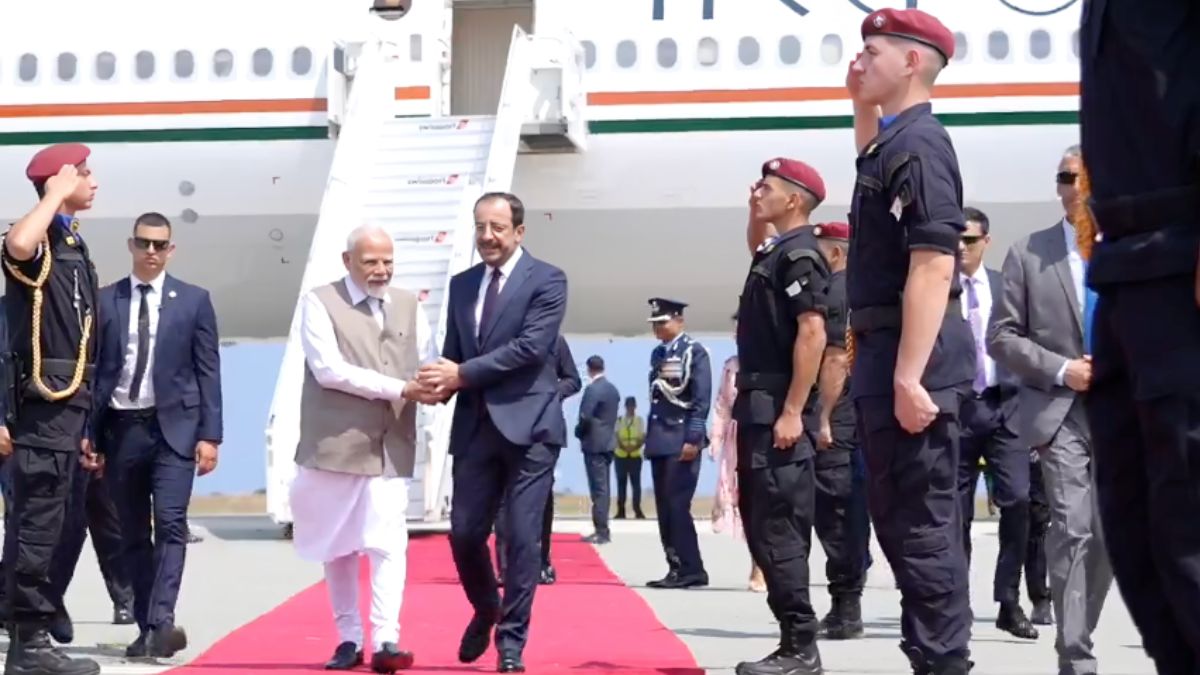
Meanwhile, Norway will hold talks with France on joining the latter’s nuclear umbrella. French President Emmanuel Macron and Norwegian Prime Minister Jonas Gahr Stoere said, on Wednesday (May 27, 2026), made the announcement, which reflected the growing European concerns about relying on the US for security.
Norway, a staunch Atlanticist for long, had relied heavily on NATO and the US for protection against nuclear attacks, and the latest announcement signals a move towards a closer European defence cooperation.
Macron and Stoere announced the plan at a meeting in Paris, where they also signed a broader defence agreement, which included Norway joining a French-led nuclear weapons initiative.
Stoere said Norway’s primary deterrence would remain the NATO alliance and the United States, but described France’s nuclear capabilities as “an important contribution” to the alliance’s overall posture. “France’s capabilities are an important contribution to NATO’s deterrence posture, which is important for us,” Stoere said.
Under the plan, Norway would take part in what France calls “forward nuclear deterrence”, under which European partners are more closely involved in French strategic thinking on nuclear defence.
“This agreement establishes a principle of mutual assistance between our two countries,” Macron said, adding that deeper cooperation would support Europe’s ambitions for greater strategic autonomy.
The initiative comes as European countries seek to strengthen their own defence capabilities amid doubts about long-term US commitments and heightened tensions with Russia.