


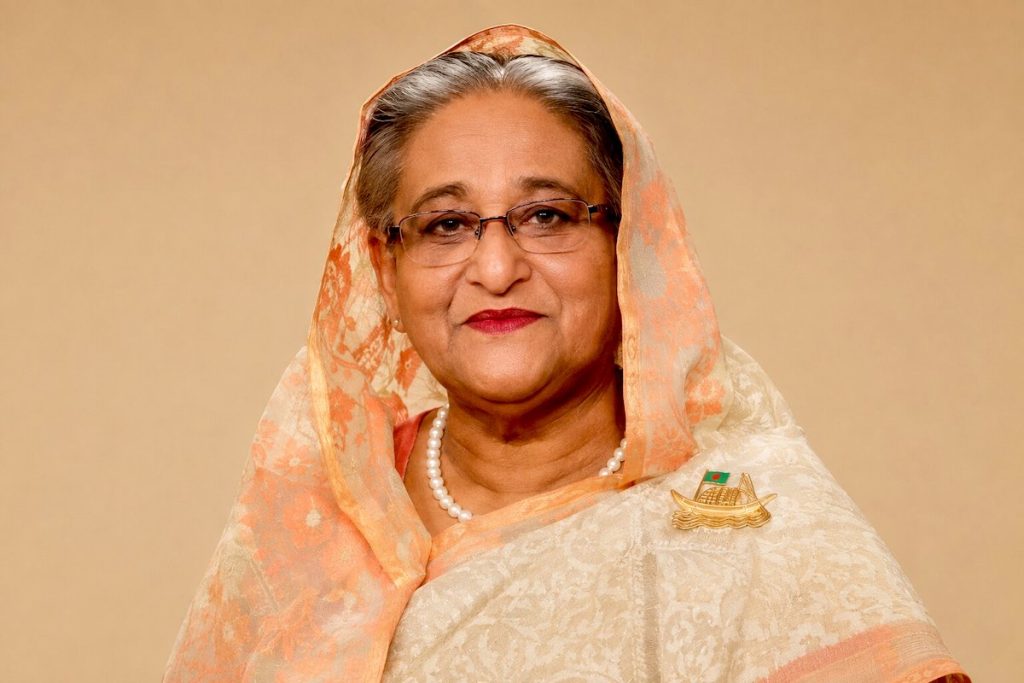
New Delhi: Bangladesh has raised the possibility of taking India to the international court of justice over the extradition of its former prime minister, Sheikh Hasina, opening a potential new front in the diplomatic dispute between the two neighbours. The development comes days after Hasina announced her intention to return to Bangladesh on December 16, 2026, despite facing a death sentence in her home country.
Bangladesh’s parliament speaker, Hafiz Uddin Ahmed, said Dhaka could approach the United Nations’ principal judicial organ if New Delhi failed to hand over the deposed leader under the existing bilateral extradition treaty. His remarks, made in an interview with BBC Urdu during a visit to Pakistan and reported by several media outlets, signal growing impatience in Dhaka over the unresolved extradition request.
The speaker’s intervention adds an international legal dimension to what has largely remained a bilateral diplomatic issue for nearly two years. However, there has been no confirmation that Bangladesh has formally initiated proceedings before the Hague-based court.
Speaking in Islamabad on Thursday, Ahmed also questioned the seriousness of Hasina’s announcement about returning to Bangladesh, suggesting it was intended to keep Awami League supporters politically mobilized. He maintained that the former prime minister would be arrested and imprisoned if she returned.
Ahmed also used his Pakistan visit to criticize India’s relationship with Bangladesh during Hasina’s 15-year tenure and question New Delhi’s intentions behind its military intervention in the 1971 Bangladesh Liberation War. His remarks come against the backdrop of Dhaka’s growing engagement with Islamabad and the continuing strains in India–Bangladesh relations since Hasina’s removal from power.
Hasina’s return plan and Dhaka’s objections
Hasina, who fled to India on August 5, 2024, following a student-led uprising that brought down her government, has expressed her desire to return aboard a Biman Bangladesh Airlines aircraft on December 16. The date carries considerable political significance as Bangladesh celebrates Victory Day, commemorating the surrender of Pakistani forces in Dhaka in 1971.
However, as RNA Media reported earlier, the Bangladesh government has rejected the proposed arrangement, insisting that Hasina must be brought back through the extradition process. Dhaka has also indicated that it would not arrange transportation for her voluntary return.
The Bangladesh Nationalist Party (BNP)-led government of the prime minister, Tarique Rahman, maintains that Hasina must face justice for crimes committed during her administration. Hasina has rejected the allegations against her and questioned the legitimacy of the judicial proceedings.
India, meanwhile, has sought to distinguish between Hasina’s personal decision to return and its obligations under the extradition treaty. As reported by RNA Media on Wednesday, the Ministry of External Affairs spokesman, Randhir Jaiswal, said the two were separate matters.
New Delhi has maintained that Bangladesh’s extradition request is being examined under established procedures, without specifying a timeframe for a decision.
Can Bangladesh take India to the ICJ?
While Bangladesh can seek to initiate proceedings before the ICJ, establishing the court’s jurisdiction over the dispute could prove considerably more difficult. Unlike domestic courts, the ICJ generally requires a valid basis of consent from the countries involved before it can adjudicate interstate disputes.
Crucially, India’s declaration submitted to the United Nations on September 27, 2019, recognizing the compulsory jurisdiction of the ICJ under Article 36(2) of its statute, contains several reservations. One specifically excludes disputes involving countries that are or have been members of the Commonwealth of Nations.
Bangladesh has been a Commonwealth member since 1972, making this reservation a significant jurisdictional obstacle for Dhaka. Unless Bangladesh establishes a separate legal basis for the court’s jurisdiction, its attempt to secure a binding ruling against India could encounter difficulties even before the merits of the extradition dispute are considered.
Furthermore, the bilateral extradition treaty does not contain a clause expressly conferring jurisdiction on the ICJ. Approaching the international court, therefore, would not automatically translate into a legal obligation for India to surrender Hasina.
There is also a relevant precedent involving Pakistan. On June 21, 2000, the ICJ ruled that it lacked jurisdiction to entertain Islamabad’s case against India concerning the downing of a Pakistani naval aircraft in August 1999, upholding the applicability of India’s Commonwealth reservation.
What the extradition treaty allows India to do
The India-Bangladesh extradition treaty, signed on January 28, 2013, and amended in 2016, was primarily intended to strengthen bilateral cooperation against terrorism, organized crime and fugitives operating across the border. However, its provisions do not make extradition unconditional.
Article 6 permits the requested country to refuse extradition for offences of a political nature, although serious crimes such as murder, culpable homicide and incitement to murder are expressly excluded from that category. Consequently, the political circumstances surrounding Hasina’s prosecution would not, by themselves, constitute sufficient grounds to reject Dhaka’s request.
Article 8, however, provides another potential legal safeguard by allowing extradition to be denied if surrendering an individual would be unjust or oppressive on specified grounds, including accusations brought in bad faith. The circumstances surrounding Hasina’s prosecution, the fairness of her trial and the nature of the punishment could, therefore, become important considerations during India’s examination of the case.
On November 17, 2025, Bangladesh’s international crimes tribunal sentenced Hasina to death in absentia after convicting her of crimes against humanity relating to the suppression of the 2024 uprising. While recognizing the importance of accountability, the United Nations human rights office expressed opposition to the death sentence, while Amnesty International questioned the fairness of the proceedings.
New Delhi’s diplomatic dilemma
For India, the Hasina question extends well beyond the interpretation of an extradition treaty. New Delhi must balance its longstanding humanitarian tradition of sheltering political figures facing threats in their home countries with the necessity of maintaining a workable relationship with Bangladesh.
The two countries share a 4,096-kilometre border and have substantial mutual interests in counterterrorism, border management, river-water sharing, electricity trade and regional connectivity. Bangladesh is also geographically critical to India’s economic and strategic engagement with its northeastern states.
Any prolonged confrontation over Hasina risks complicating cooperation in these areas, particularly as Dhaka seeks to expand its engagement with Pakistan and China. Equally, surrendering the former Bangladeshi leader without adequate legal safeguards could have wider implications for India’s credibility as a country offering refuge to political exiles.
Ahmed’s suggestion of approaching the ICJ increases diplomatic pressure on New Delhi but does not fundamentally alter the legal position. For now, the most viable route towards resolving the dispute remains bilateral engagement, with the extradition treaty and India’s domestic legal framework determining whether Hasina can be handed over to Bangladesh.