


New Delhi: The US-Iran diplomatic framework has run its course, with the memorandum of understanding signed in June expiring on Monday without a permanent settlement or a decision to restart formal negotiations. Tehran is now signalling a tougher approach, even as indirect messages continue to pass between the two sides through mediators.
Iranian foreign minister, Abbas Araghchi, said Iran has not yet decided whether to return to negotiations with the United States. While confirming that messages are being exchanged through intermediaries, he stressed that this should not be interpreted as the resumption of talks.
Araghchi accused Washington of violating the agreement by resuming military action, arguing that Iran therefore does not regard the 60-day period as a ceasefire that can simply be extended.
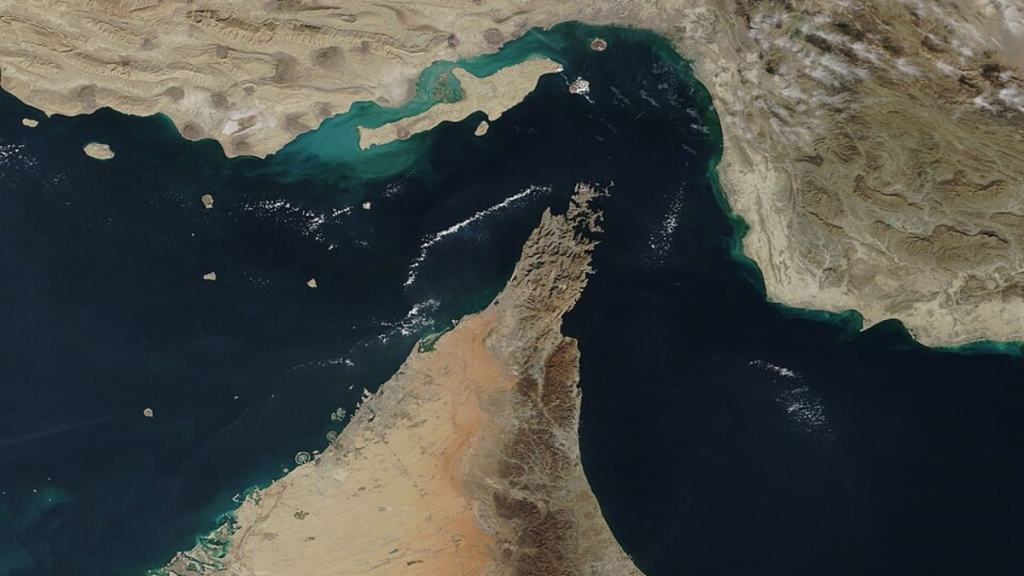
The Strait of Hormuz remains at the centre of the dispute. Iran and Oman are discussing a new arrangement for the safe passage of vessels, with Tehran considering a temporary maritime route that could eventually become permanent. Araghchi, however, said a full reopening would depend on the United States meeting other conditions.
The expiry comes amid increasingly hardline rhetoric from Washington. The United States president, Donald Trump, has threatened to assert American control over the strategically important waterway, while his administration has warned of additional economic pressure against Tehran.
The MoU, signed on June 17, was intended to halt military operations and create a pathway towards a final settlement within 60 days. It included provisions covering sanctions, Iranian oil exports, frozen assets, reconstruction assistance and navigation through Hormuz, while leaving several deeper disputes to subsequent negotiations.
The arrangement, however, began to unravel soon after it was signed. Washington and Tehran developed competing interpretations of their commitments, with both accusing the other of violating the agreement. By July, Trump had declared the deal over, while Iranian officials said the US had abandoned its obligations and that Tehran had suspended its own commitments in response.
Several key provisions remain unrealized. US sanctions on Iran have not been comprehensively removed, the proposed reconstruction package has not materialized and normal commercial traffic through the Strait of Hormuz has not resumed.
What is expected next?
The end of the MoU does not necessarily mean the end of diplomacy, but it makes a return to the negotiating table considerably more difficult. Tehran is unlikely to accept a simple extension of the June framework after repeatedly accusing Washington of abandoning its commitments.
Iran’s strongest bargaining instrument is likely to remain the Strait of Hormuz. Any arrangement that restores regular shipping could become part of a wider bargain in which Tehran seeks concrete concessions from Washington in return for easing restrictions on maritime traffic.
The hardening of Iran’s rhetoric in recent days provides another indication of the atmosphere in which any future talks would take place. On Sunday, Iranian Army commander-in-chief Major General, Amir Hatami announced a $30,000 reward for the capture or killing of an American servicemember who enters Iranian territory, adding another confrontational element to the standoff, RNA Media reported.
It does not imply in any way that Tehran is going through a process of planning for immediate military engagement. Nevertheless, it sends out the signal that Iran wants to show its might at a time when both parties are at loggerheads on the issue of any future settlement.
This policy may be strengthened by the recent restructuring of the national security officials in Iran. The selection of Mohsen Rezaei, who was formerly the commander of the IRGC, as the secretary of the supreme national security council has been interpreted as an attempt to align Iran’s military and political decision making.
But for Washington, the problem is quite different. Pressure may undermine the economic viability of Tehran, but a heightened tension surrounding the Strait of Hormuz can create difficulties for negotiating a resolution.
Trump’s increasingly forceful position on the waterway could therefore become both a source of leverage and a major obstacle. The US is hoping to pressure Iran into accepting US terms, while Iran is capable of disrupting this highly strategic energy waterway in the event of a protracted standoff.
Nevertheless, both Iran and the USA have considerable influence in terms of how far they can go with the crisis. Iran can sabotage shipping routes and threaten the interests of the USA in the region, while the USA has economic sanctions and military might to use against Iran.
The immediate future is therefore more likely to involve indirect diplomacy than an immediate formal agreement. Oman and other intermediaries could remain important in testing whether Tehran and Washington are willing to return to negotiations without either side appearing to retreat from its current position.
If talks do restart, the June MoU is unlikely to simply be revived in its original form. Iran is expected to seek stronger guarantees and more tangible concessions, particularly over sanctions, frozen assets and the status of Hormuz. Washington, meanwhile, is likely to push for restrictions on Iran’s nuclear programme and regional activities