


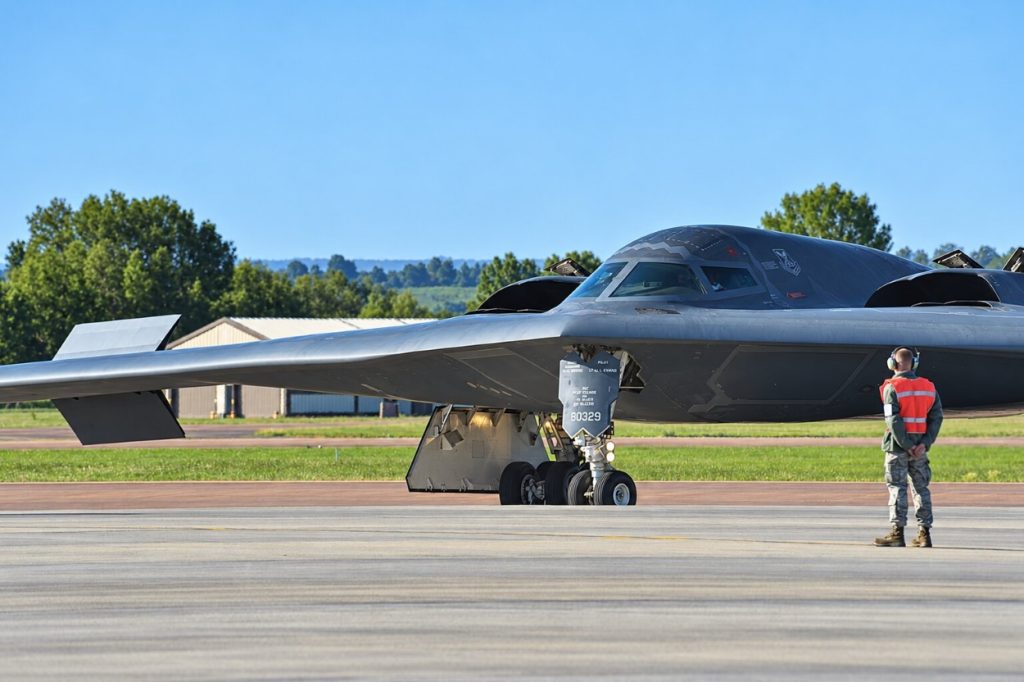
New Delhi: One of the five men arrested near RAF Fairford called 999 before his detention, adding a significant unanswered question to an investigation already complicated by the absence of explosive devices and conflicting accounts of prior surveillance. The disclosure places fresh scrutiny on how an unexplained incident near the American-used airbase became the subject of confident political claims about a major attack and possible foreign involvement.
In the UK, 999 is the emergency response number, like India’s 112 and the US’s 911.
UK media reported that a suspect contacted emergency services shortly before the arrests, although the reason for his call remains unclear. A local farmer also reported suspicious activity, leaving investigators to establish how the separate calls relate to the movements of the men and their three vans near the Gloucestershire base.
The suspect’s decision to contact police complicates the early portrayal of the episode as a covert attempt to bomb a strategically important military installation. It does not establish an innocent explanation, but makes the content, timing and purpose of that call central to understanding what actually happened.
All five men, British nationals in their 20s from London, were released on police bail on Tuesday, subject to strict conditions. The following day, investigators confirmed that no improvised explosive devices had been found, although a quantity of petrol was recovered from the vehicles.
Those developments have shifted attention from the initial alarm to the evidential basis for describing the incident as a thwarted bomb attack. The outstanding questions now include why the men were near Fairford, what they intended to do with the vehicles and petrol, and why one of them summoned the authorities.
According to the initial counterterrorism police statement, officers received a call at about 12.45am local time on Sunday, about three suspicious vehicles apparently travelling towards the airbase. Armed officers detained five men in nearby Whelford on suspicion of explosives offences, subsequently arresting them on suspicion of preparing a terrorist act.
A 400-metre cordon was established while military bomb-disposal specialists examined the vehicles, and approximately 85 households were evacuated as a precaution. That opening statement described suspected offences and an investigation in its early stages; it did not confirm the discovery of bombs or identify a foreign government as responsible.
The US president, Donald Trump, nevertheless said the suspects were seeking to cause “big damage” and had been watched for a considerable period by British and American authorities. His account presented the arrests as the culmination of sustained surveillance, rather than simply a response to suspicious activity reported near the base.
Earlier surveillance and emergency calls are not necessarily incompatible, since a public report could trigger action against people already being monitored. However, the disclosed accounts do not explain that relationship, and the revelation that a suspect himself called police makes a clear chronology particularly necessary.
The US secretary of state, Marco Rubio, subsequently asserted that a foreign actor was clearly involved, without publicly providing supporting evidence. He mentioned Iranian threats but stopped short of directly blaming Tehran, while Trump suggested a possible Iranian connection and expressed surprise at the suspects’ release.
British police have used more qualified language, saying they are examining every possibility, including people knowingly or unknowingly working for a foreign state. Iran has denied involvement, and investigators have not publicly established either foreign sponsorship or the suspects’ motive.
The head of national counterterrorism policing, Laurence Taylor, has defended bail as an investigative decision and emphasized that restrictions on movement and contact remain in force. Release does not end the inquiry, but American criticism of that decision conveys a degree of certainty that the British investigation has yet to substantiate publicly.
The disputed surveillance account and rapid release have also become the basis for false-flag speculation in published commentary. The suspect’s emergency call adds another question to that debate, although neither the call nor the absence of bombs demonstrates that the incident was staged to implicate another party.
Fairford’s role gives premature attribution particular significance. A UK House of Commons Library briefing identifies it as a forward operating location for US Global Strike Command and records British permission for limited defensive operations against Iranian missile facilities.
With the base tied to the Iran conflict, establishing why a suspect called 999 is essential before an unresolved police case can credibly support wider claims about an international attack.