


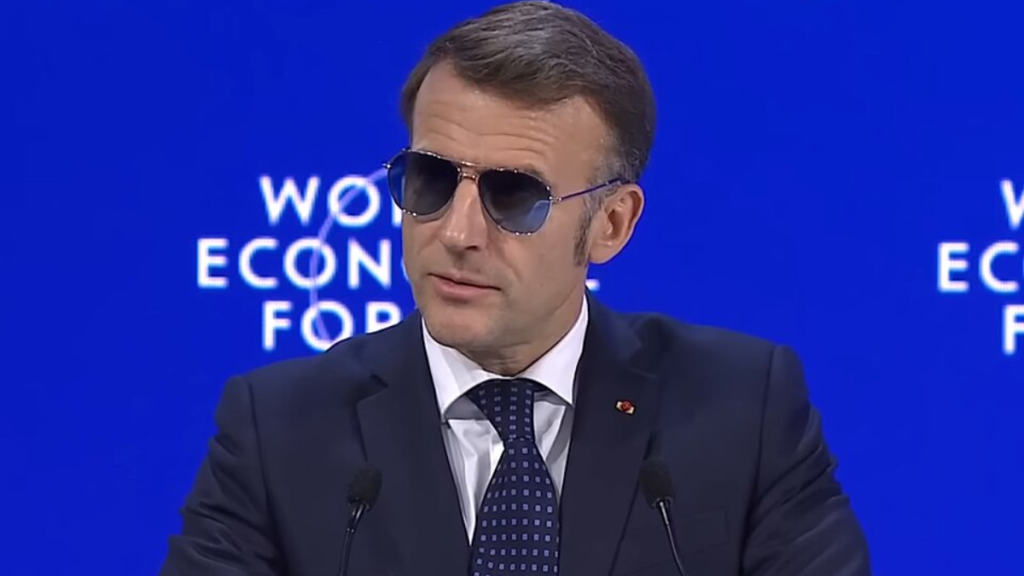
New Delhi: The French president, Emmanuel Macron, has announced a ban on demonstrations not organized by trade unions in the coming days as authorities prepare for fresh protests on Saturday. The move follows last weekend’s riots, looting and attacks on public buildings, with authorities in Marseille and Lyon banning all demonstrations planned for the day.
In a fresh development, Macron will meet student representatives of high schools on Friday for the first time since month-long protests over teacher shortages and deteriorating school conditions began, France 24 reported. He is also holding a defence council meeting to review security arrangements ahead of Saturday’s demonstrations.
The government is preparing a larger security operation to prevent further violence. According to reports, security deployments on Saturday will be 20 per cent higher than during the October 17 demonstrations.
In Paris, authorities have also introduced overnight curfew restrictions around Place de la République and Les Halles until Sunday morning to control heated situation.
A march organized by the CGT trade union from Bastille to Nation has been approved in Paris. However, the Yellow Vest movement has faced restrictions on its proposed route, as authorities seek to limit the risk of further unrest, Anadolu Ajansi reported.
Why Macron is restricting protests
Macron announced the restrictions after violence erupted on the fringes of nationwide demonstrations on October 17. He accused what he described as “seditious” ultra-left groups of trying to undermine the Republic and said the government would take a firm approach towards those responsible for violence and vandalism.
The minister of justice of France, Gérald Darmanin, has called for tougher penalties against people who take part in banned demonstrations. His proposals include possible restrictions on voting rights and social media access for individuals involved in violence, looting or attacks on police.
The restrictions have drawn criticism from trade union leaders and opposition politicians, who argue that limiting demonstrations to recognized organizations undermines the right to protest. Protestors raised the concern on, the president should not decide which organizations are entitled to organize demonstrations.
School protests turn into wider unrest
The demonstrations which initially began over teacher shortages, understaffed schools and deteriorating educational facilities. Students raised concerns about inadequate resources and worsening conditions, while the movement later attracted trade unions and supporters of the Yellow Vest movement, which emerged in 2018 amid anger over fuel prices and living costs.
The unrest has also reflected wider frustration over rising energy costs, pressure on household budgets and concerns about public services.
During the demonstrations some groups took advantage of the protests to engage in vandalism and looting, targeting shops, setting vehicles alight and damaging public buildings in Paris, Marseille and other cities. In Limoges, a fire severely damaged the historic city, as RNA Media earlier reported. While the wider demonstrations were driven by grievances over education, living costs and public services, these acts of violence and destruction went beyond peaceful protest.
Authorities reported thousands of arrests following the weekend violence, while businesses faced property damage, stock losses and disruption. The government has also urged online marketplaces to monitor suspicious listings amid concerns that merchandize stolen during the riots is being resold online.