


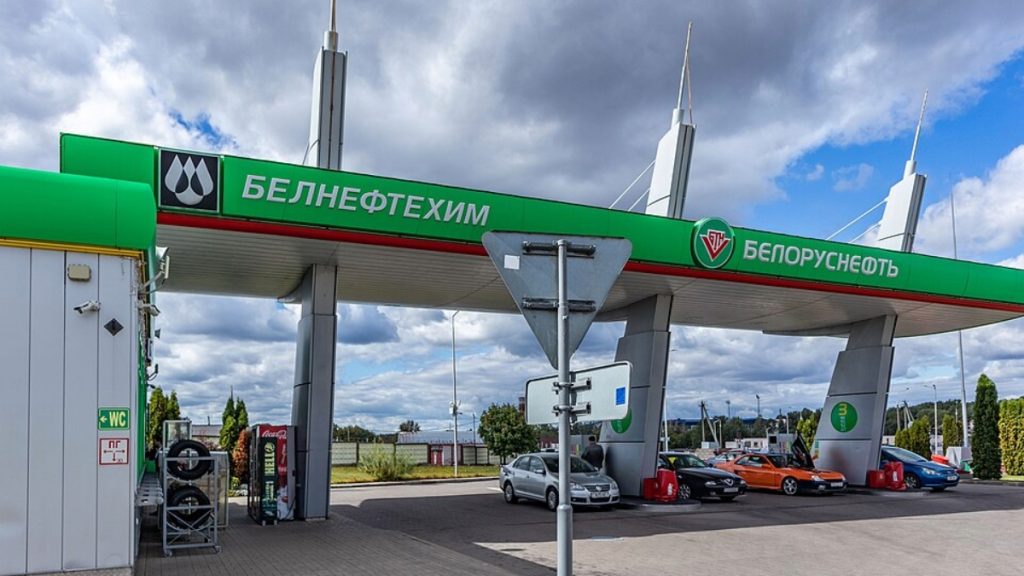
New Delhi: Russia has begun importing petrol from India as domestic fuel shortage, driven by Ukrainian drone strikes on its oil refining infrastructure. The first shipment, estimated at around 60,000 tonnes, has already been dispatched, with Russia now planning to import 400,000 tonnes of gasoline every month from various countries until its own refining capacity recovers.
Since the outbreak of war in 2022, Ukraine’s primary focus has been to defend its territory and target Russian military assets near the frontlines. However, the focus shifted from late 2025 and intensified in 2026, when Kyiv started targeting Russia’s energy infrastructure – oil refineries, storage depots, pumping stations, export terminals, and fuel logistics networks instead of concentrating solely on military bases.
Ukraine’s purpose with this drive has been to hit at Russia’s financial backbone by disrupting hydrocarbon production, which generates a major portion of Moscow’s exports and revenues. Strategic analyses have determined that Ukraine’s continued attacks have disabled approximately 20 to 25 per cent of Russian refineries and oil export facilities, resulting in significant operational shutdowns and long-term repairs.
The attacks on Russia’s oil production have done significant damage because maintaining Russia’s domestic fuel supply is reliant on both producing crude oil and having the continued operation of processing/refining facilities.
Although Russia remains the third-largest crude producer in the world, the loss of refining facilities has severely hampered their ability to convert crude into gasoline, diesel and aviation fuel; as such, previous attacks on facilities such as Tuapse, Ufa, Perm and other Baltic export facilities had interrupted refinery processing capacity and therefore disrupted storage and distribution networks, leading to shortages within many Russian regions, even though Russia has an overabundance of crude oil supply.
fuel supplies, extended queues at service stations, and record-high gasoline prices in multiple regions throughout Russia.
India unexpected fuel supplier to Russia
This development, coupled with the fact that India has now established itself as a surprise supplier of refined fuel to Russia, highlights how the energy relationship between India and Russia has deepened since the onslaught of western sanctions on global oil markets.
Although the name of the Indian refiner is not known, the shipment history identifies that the relationship between the two countries continues to strengthen.
After being sanctioned following Russia’s invasion of Ukraine, India became one of the biggest purchasers of discounted Russian crude, which has been imported in significantly higher quantities than before the imposition of sanctions. That allowed Indian refiners to process it into refined petroleum products for use in both the domestic and international markets.
Additionally, upon examination of ship tracking data, it has been found that under US-imposed sanctions, much of the Russian crude that used to be shipped to Russia has now to be refined in India and sent back to Russia to help meet the deficit due to the loss of refining capacity from damaged Russian refiners. This increase in the volume of crude being imported by India, specifically from Russia, was demonstrated with 50 per cent of India’s total crude imports coming from Russia as of June this year.
For Russia, importing oil from India shows that continuous operational strikes to critical energy facilities are having an impact on one of the most strategically important sectors of the country. As the conflict enters another phase, energy infrastructure is becoming one of the main defining fronts of the war, with impacts being felt globally outside of the confines of the battlefield.