


New Delhi: After the new Bangladesh prime minister, Tarique Rahman, visited China last week, India on Friday signalled a fresh approach to the neighbouring country’s Teesta project. This comes as Dhaka and Beijing agreed to conduct a joint feasibility study following Rahman’s visit.
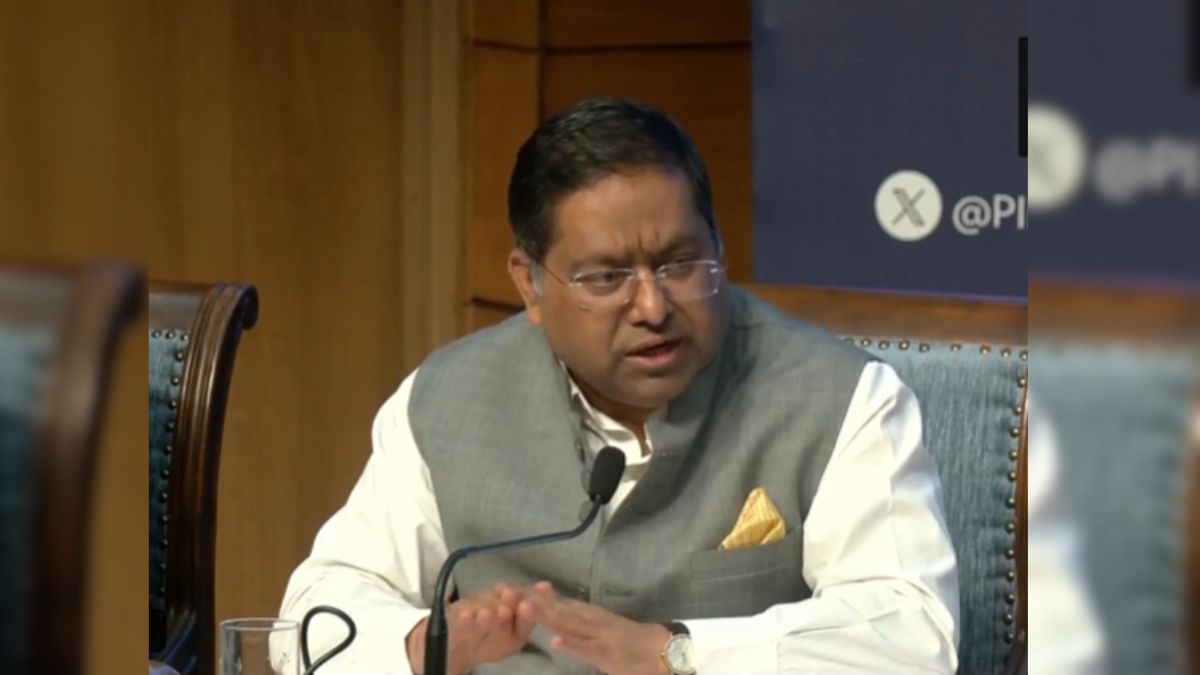
Responding to questions on the development, the Ministry of External Affairs spokesman, Randhir Jaiswal, said that India’s assistance to Bangladesh was dictated by the country’s agreed-upon “roadmap”, but also said that New Delhi has communicated its position on the Teesta issue to Dhaka and that they consider all related developments when managing its overall approach on the Teesta issue.
This marked India’s first official response after an agreement was made between Bangladesh and China for a joint feasibility study to proceed with the Teesta project. After the official announcement, officials emphasized that the statement was not to be construed as a sign of dissatisfaction and reiterated that India and Bangladesh have a relationship based on mutual respect.
The latest development represents a shift in the long-standing Teesta discourse. For over a decade, the focus of discussions between India and Bangladesh has primarily centred on the unresolved Teesta water-sharing agreement, which has been stagnant since 2011. However, this current development fundamentally relates to a different initiative, the Teesta River Comprehensive Management and Restoration Project (TRCMRP), a large-scale river management proposal that is under consideration within Bangladesh.
The project regained attention after Rahman’s recent trip to China. Though, this project is not something being proposed for the first time; rather, the government of Bangladesh first approached China with regard to involvement in the project during former prime minister Sheikh Hasina’s time.
A few years ago, China proposed the project and expressed interest in supporting Teesta conservation and management efforts, and at the same time, India expressed similar interest in supporting the same efforts by having Indian support for the Teesta.
In May 2024, then-foreign secretary Vinay Kwatra visited Dhaka and mentioned the potential for India’s participation in the Teesta development plans of Bangladesh. A month later, during Sheikh Hasina’s visit to New Delhi, the joint statement from India and Bangladesh indicated India’s interest in providing assistance for the conservation and management of the Teesta river within Bangladesh.
However, following the political transition after the ouster of Sheikh Hasina’s government in August 2024, discussions regarding the Teesta project ceased. The issue was largely dormant during the interim government of Bangladesh and has resumed under the recently elected government of Bangladesh, under the leadership of Rahman.
Why India’s response matters
The carefully forged statement by India shows the multi-dimensional aspects of the Teesta issue. On one hand, the river itself is still an open bilateral water-sharing issue, originating in Sikkim, and flowing into Bangladesh through West Bengal, the river is an essential source of irrigation for farmers on both sides of the border. The failure to implement a draft water-sharing arrangement from 2011 is due to resistance from the West Bengal government, thus keeping the issue unresolved.
On the other hand, the new development has introduced the project into a much larger strategic concept. China has gone from merely being interested in funding the project to supporting a joint feasibility study, with Chinese authorities calling it a livelihood project for Bangladesh. This marks China’s increasing water-related investment activity in Bangladesh while expanding its overall economic footprint and connectivity throughout South Asia.
Indian officials have indicated that another major bilateral water issue, the renewal of the 1996 Ganga Water Sharing Treaty, which will expire on December 31, is approaching soon. In addition to the Teesta project, a long-unresolved bilateral river agreement adds fuel to the fire for future water diplomacy between India and Bangladesh as they continue to engage in future months.
New Delhi has exercised no option to characterise the engagement of Bangladesh with China as a bilateral irritant. Rather, it has displayed strategic restraint while communicating that developments from the Teesta project will fit into its future policy considerations.