


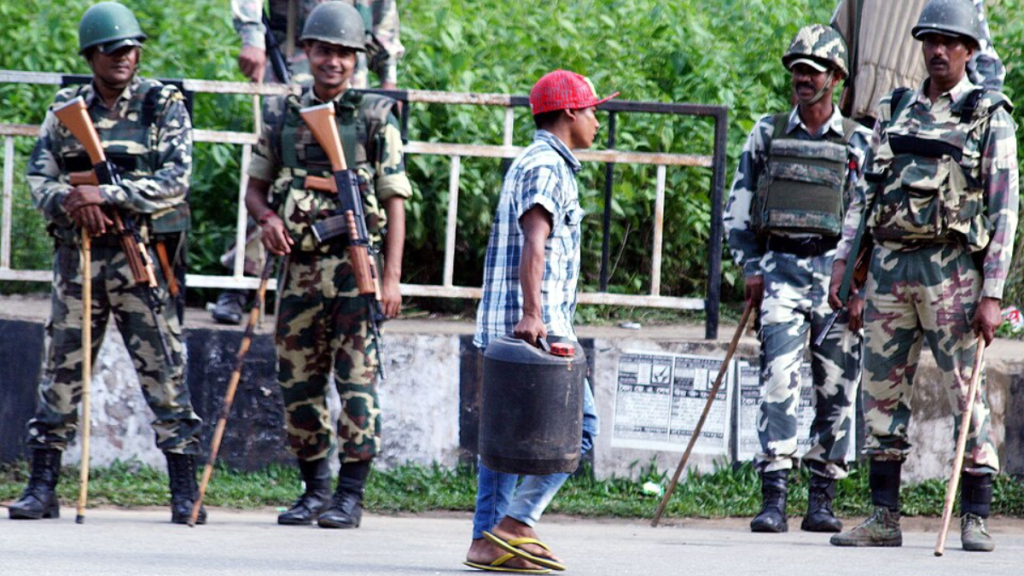
New Delhi: The CRPF has recorded 59 suicides in 2025, the highest number in five years, prompting the force to put in place a new mechanism to examine such cases. A 10-member team of senior officers, headed by the CRPF director general, will now meet every month to review incidents of suicide and self-harm.
The panel will examine individual cases, identify common trends and recurring risk factors, and suggest preventive, welfare, administrative and medical measures. Reporting heads and supervisory officers will also present their analysis of cases before the panel, according to the Press Trust of India (PTI).
The figures show that the issue has persisted over several years. Press Information Bureau (PIB) data recorded 57 CRPF suicides in 2021, 43 in 2022, 57 in 2023, 46 in 2024 and 59 in 2025. The PIB, citing a media report, also said 281 CRPF personnel died by suicide over the five years, with about 216 cases occurring while personnel were on duty.
Separately, a Ministry of Home Affairs reply in the Lok Sabha recorded two cases of fratricide in the CRPF in 2025, while no such cases were reported in 2023 and 2024.
The issue has also drawn the attention of the National Human Rights Commission (NHRC). On August 14, the NHRC took suo motu (on its own initiative) cognisance of reports concerning suicides among CRPF personnel and issued notices to the Union home secretary and the CRPF director general, seeking a detailed report in two weeks.
The seriousness of the issue was further highlighted by a fratricide-suicide incident at a CRPF camp in Assam on August 4. An assistant sub-inspector allegedly opened fire on his colleagues, killing two and injuring another before dying by suicide, as reported by RNA Media earlier.
Why CRPF personnel face pressure
The pressures faced by CRPF personnel are closely tied to the nature of their service. The force is deployed for counterinsurgency operations, anti-Naxal operations and law-and-order duties, often in sensitive areas where working hours can be long and irregular. Personnel may spend extended periods away from their families, while operational responsibilities can leave limited time for rest, recreation and maintaining a normal personal routine.
The difficulty is that the pressure does not necessarily stop when the duty shift ends. Personnel carrying mobile phones can remain in regular contact with their families while deployed, allowing them to stay connected with events at home but also bringing personal problems into an already demanding work environment. A dispute at home, financial difficulty, marital problem or concern about children can reach a person while they are still dealing with operational responsibilities.
This creates a situation where professional and personal pressures can overlap rather than remain separate. Being away from home can make family problems harder to address, while constant communication can keep those problems immediately present. At the same time, long working hours can reduce the time available to deal with personal issues or recover from the demands of duty.
The problem is therefore not limited to deployment stress alone. It involves how personnel manage the combined demands of operational duties, working hours, family responsibilities and personal difficulties. Since the circumstances can differ considerably from one case to another, examining individual incidents alongside broader patterns becomes important for identifying where intervention may be possible.
Career stagnation adds to this strain. Central Armed Police Forces (CAPF) such as the CRPF have a pyramid-shaped rank structure, with a large base of constables and head constables but comparatively few senior posts above them. Promotion stagnation runs across the force, from jawans to senior command, and blocked channels at supervisory levels create a cascading bottleneck: constables, head constables and sub-inspectors are often left frozen in the same rank for extended stretches of service, with few avenues open above them. This slow career progression has repeatedly been flagged, alongside pay and welfare concerns, as a factor contributing to low morale in the force.
The CRPF is a key component of India’s internal security, with personnel deployed across areas affected by insurgency and serious law-and-order challenges. The ability of the force to sustain these demanding deployments depends not only on operational preparedness but also on the welfare and resilience of the personnel carrying them out.
Earlier warnings on living conditions
Poor living conditions at camps and posts add another layer to this strain, often leaving personnel to cope with cramped, makeshift or poorly maintained quarters on top of already demanding duty schedules. This is not the first time official scrutiny has turned to the issue.
A 2022 report by the Parliamentary Standing Committee on Home Affairs, chaired by BJP Rajya Sabha MP Brijlal, had flagged poor living conditions at a CRPF camp housed in a rented hotel in Srinagar, as one example.
During a visit, the committee found that a company from the CRPF’s 132 Battalion was housed in 24 rooms of a hotel on MA Road, Srinagar. It described the living conditions at the camp as “not conducive” and said the matter needed urgent attention. The committee urged the Ministry of Home Affairs to take up the issue with the CRPF and allocate funds to upgrade the facilities.