


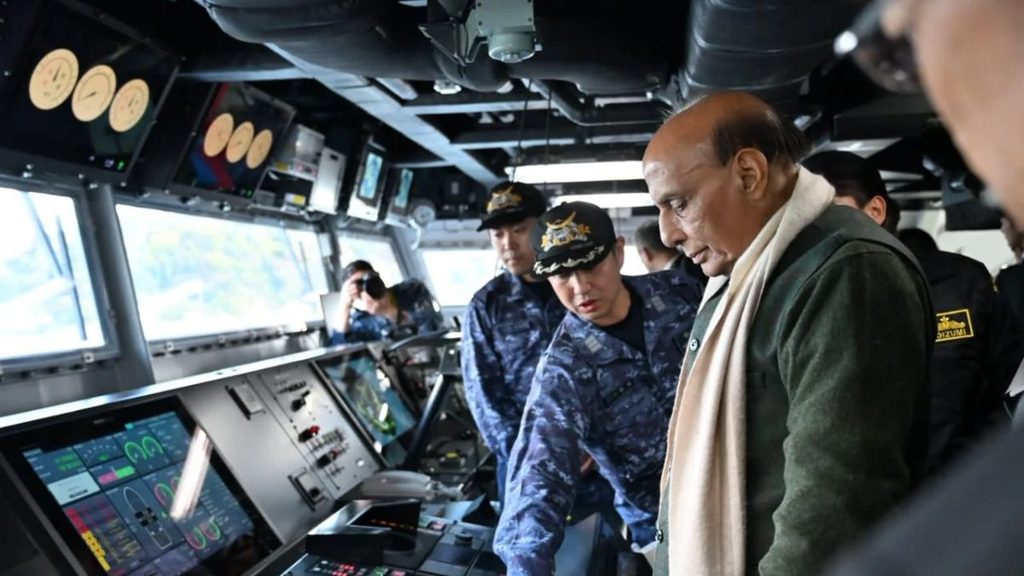
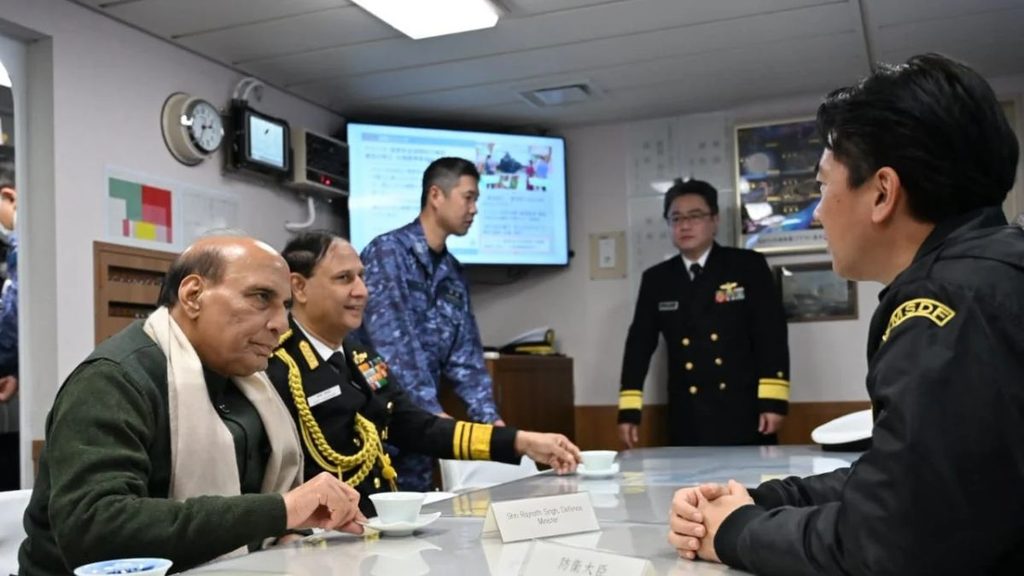
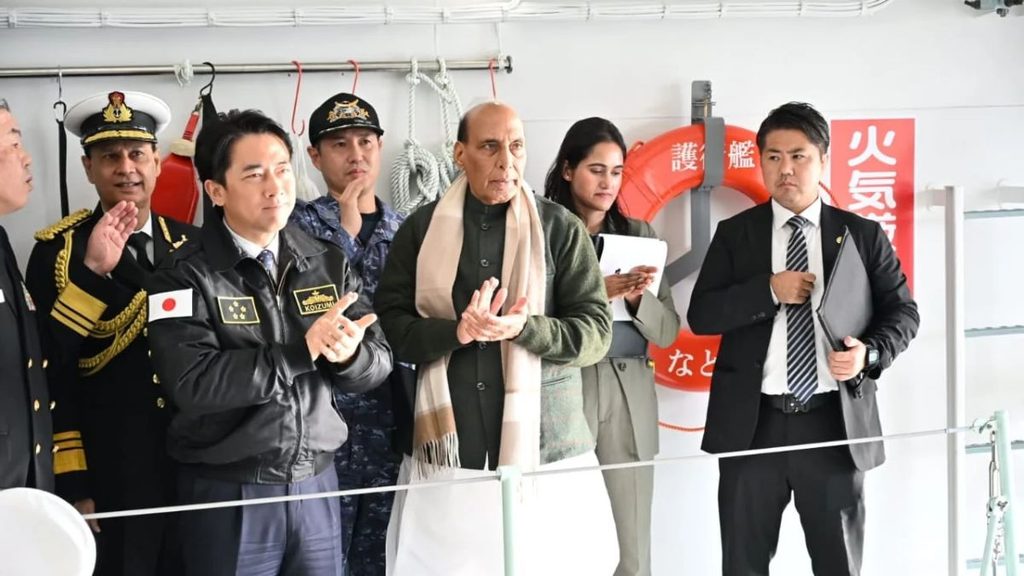
New Delhi: The defence minister, Rajnath Singh, inspected the Mogami-class multi-mission frigate JS Natori at Japan’s Yokosuka naval base on Wednesday alongside his Japanese counterpart Shinjiro Koizumi. The visit brought naval technology and maritime cooperation into focus a day before the fourth India-Japan foreign and defence ministers’ dialogue in Tokyo.

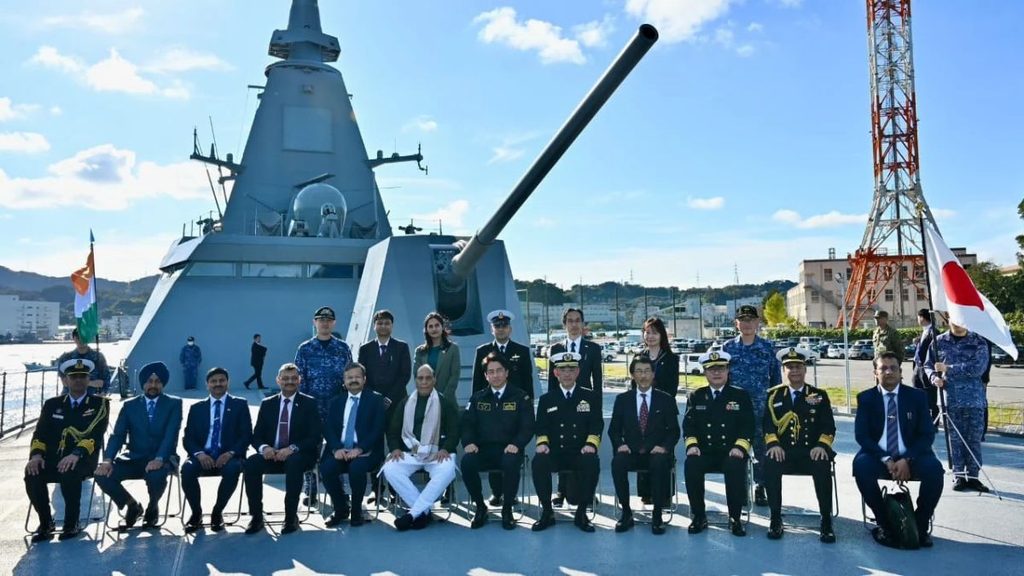
“Our growing maritime cooperation reflects the deep trust and shared commitment of India and Japan toward ensuring a free, open, and rules-based Indo-Pacific,” Singh wrote on X.
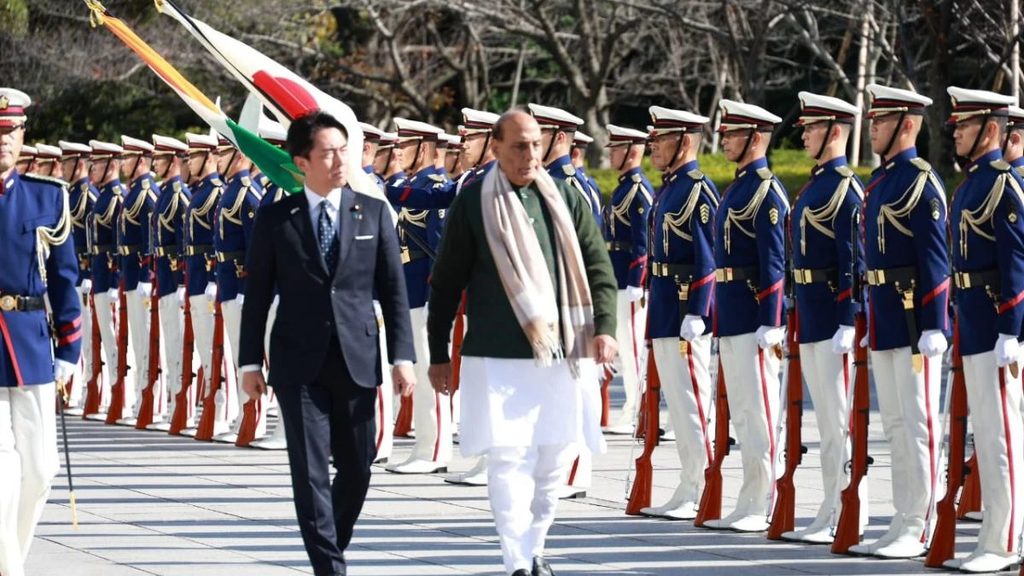
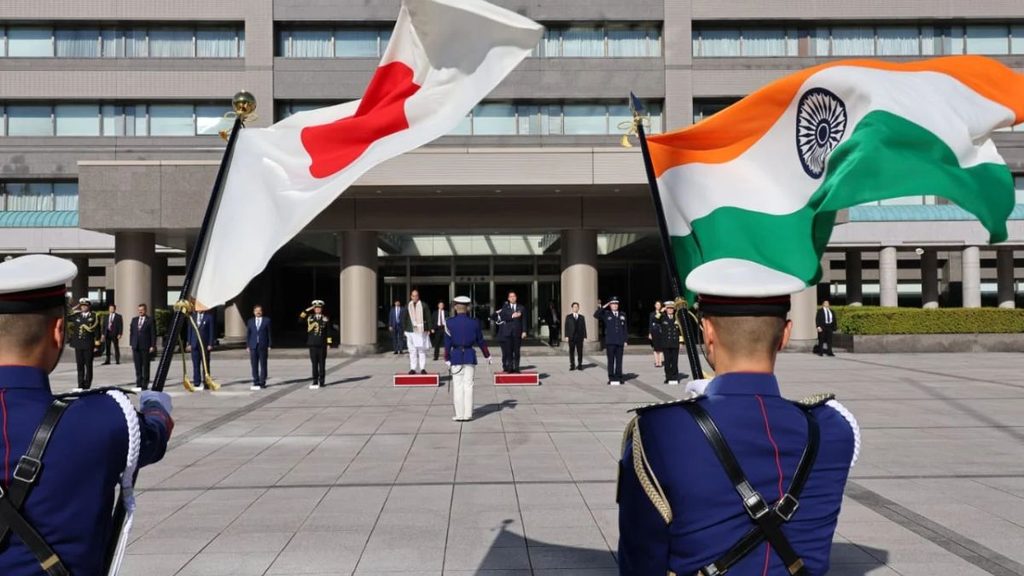
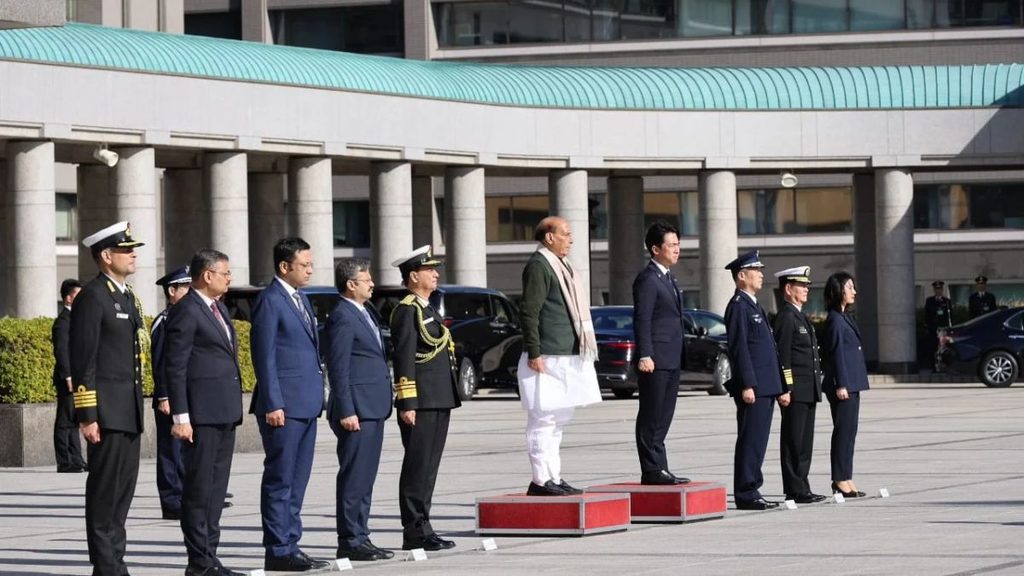
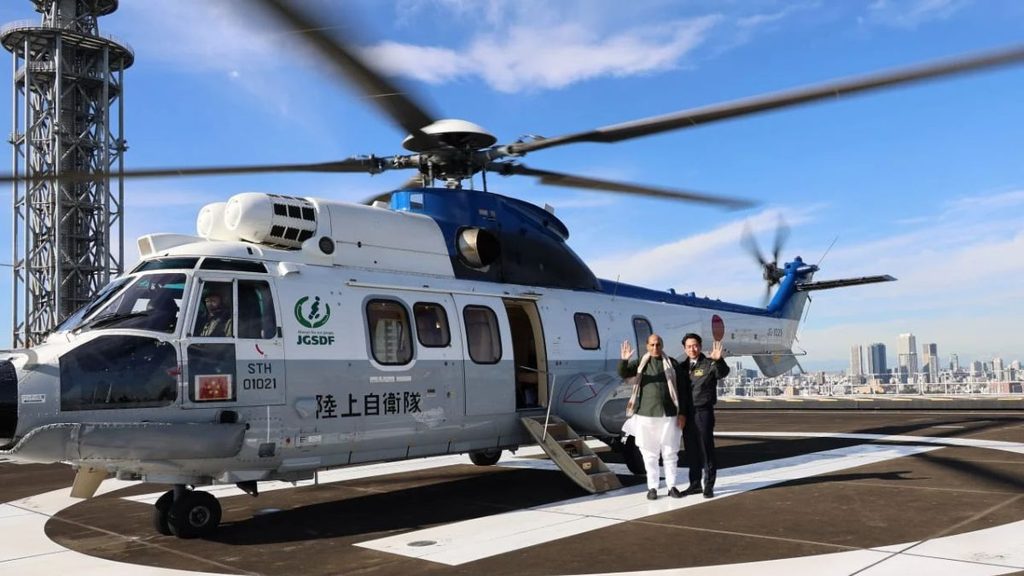
According to the defence ministry, Singh began his engagements at Japan’s defence ministry, where Koizumi received him and a ceremonial Guard of Honour was presented. The ministers held a brief interaction before flying in a Japan Self-Defence Forces helicopter to the Japan Maritime Self-Defence Force (JMSDF) base at Yokosuka, where they toured JS Natori.
Why the frigate visit matters
The Mogami class is designed for multiple maritime missions, incorporating stealth-oriented features and equipment suited to surface, underwater and mine-related operations. Its inspection offered Singh a close look at Japanese naval engineering as the countries explore equipment and technology collaboration.
Japan’s 2026 defence white paper also identifies India as an important security partner, highlighting growing defence technology cooperation and the proposed transfer of the Unicorn integrated antenna system for Indian naval ships.
In August, Singh and Koizumi signed a memorandum of Arrangement on maritime security cooperation covering information-sharing, maritime domain awareness, search and rescue, and humanitarian assistance and disaster relief. They also agreed to pursue naval visits, logistical support and access to maintenance and repair facilities.
Other proposals include reciprocal ship repairs, improved mine-countermeasure capabilities and possible cooperation in warship design and construction. These initiatives remain at various stages of discussion. Neither government announced a Mogami-class purchase or procurement agreement during Wednesday’s visit.
India’s expanding defence industry
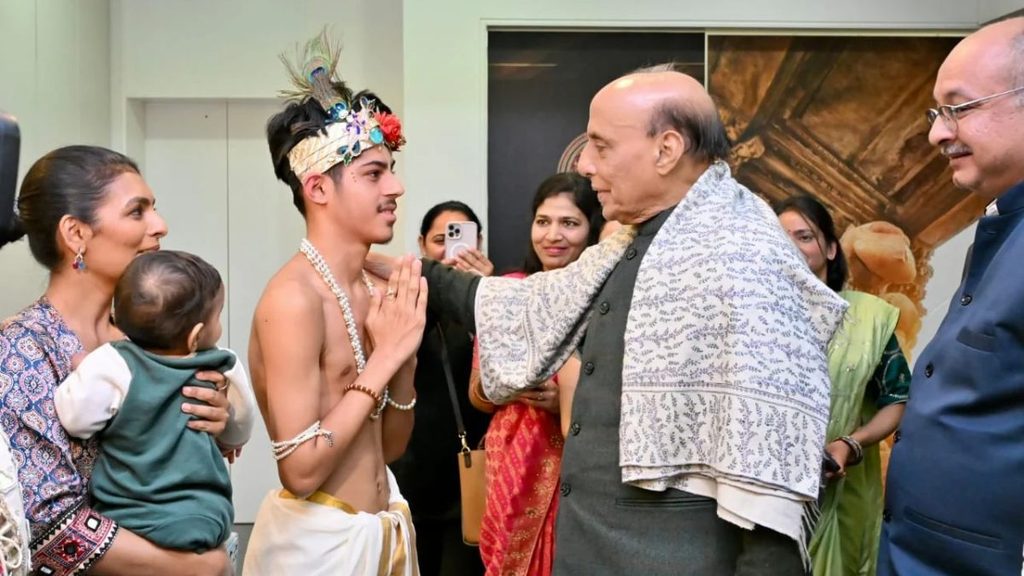
Addressing members of the Indian diaspora at an event organized by the embassy of India in Tokyo, Singh highlighted India’s economic transformation under the leadership of the prime minister, Narendra Modi. He said India had emerged as one of the world’s fastest-growing major economies despite challenges arising from the situation in West Asia.
He said production had crossed ₹1.80 lakh crore, up from ₹48,000 crore a decade ago, while defence exports had reached a record ₹38,000 crore compared with ₹600 crore over the same period. The figures were presented by Singh as evidence of India’s growing indigenous industrial capabilities.
Greater domestic production could support future cooperation with Japanese suppliers in naval design, specialized equipment and manufacturing. However, discussions on joint projects do not, by themselves, establish new contracts or technology transfers.
Focus turns to Thursday’s 2+2
Singh is in Japan on a two-day visit from November 18 to 19. He and the external affairs minister, S Jaishankar, are scheduled to meet Koizumi and Japanese foreign minister Toshimitsu Motegi at Thursday’s fourth 2+2 dialogue.

The dialogue is expected to examine progress on the Unicorn communications system, naval shipbuilding, mine-countermeasure capabilities and defence technology transfers, as RNA Media previously reported. Both countries are seeking to translate existing agreements into practical industrial and maritime cooperation.
The ministers are expected to review defence technology, maritime security, more complex exercises involving all three services and stronger industrial links. Singh will also hold bilateral discussions with Koizumi, their third meeting this year after engagements in New Delhi in August and Cebu in October.
The Yokosuka inspection provides a visible backdrop for the talks, but progress will be judged by practical arrangements for naval cooperation, manufacturing and equipment projects rather than the ship visit alone.