


New Delhi: The Indian Air Force struck a range of Pakistani military targets during Operation Sindoor, including airbases, aircraft hangars, runways, radars and command centres, while also defending Indian territory against retaliatory drone and missile attacks. The Ministry of Defence annual report 2025-26 has detailed the targets hit during the four-day conflict and how India’s integrated air-defence network responded to Pakistan’s aerial attacks.

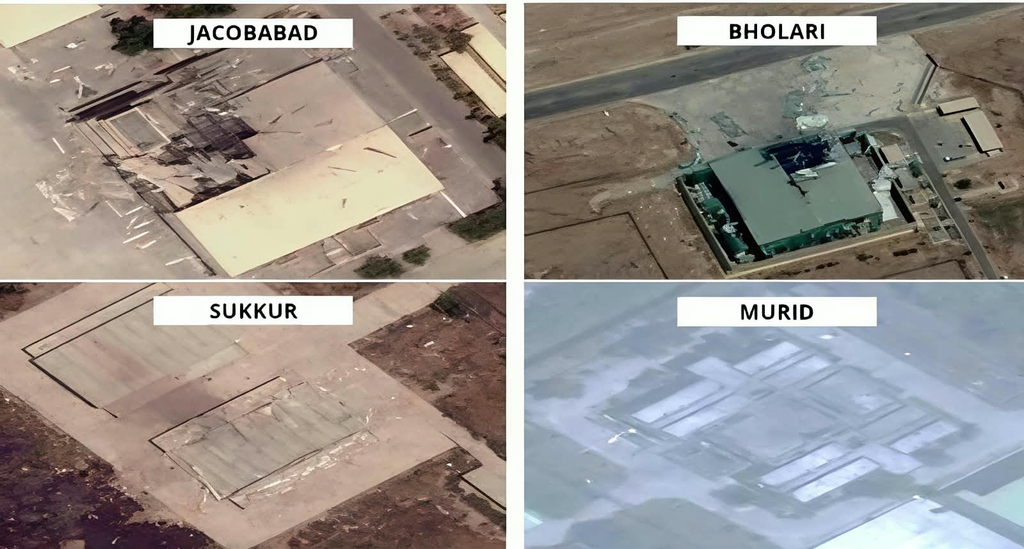
The report reveals that the IAF targeted military installations at Nur Khan, Rahim Yar Khan, Sargodha, Jacobabad, Chaklala, Murid, Sukkur and Bholari as the conflict escalated. The strikes damaged or destroyed key parts of Pakistan’s military infrastructure, including aircraft, air-defence systems, runways and command facilities.
The IAF also targeted four aircraft hangars on May 10. According to the report, multiple F-16 aircraft at Jacobabad, one AEW&C aircraft and several Akinci and TB-2 class UCAVs were destroyed or damaged.

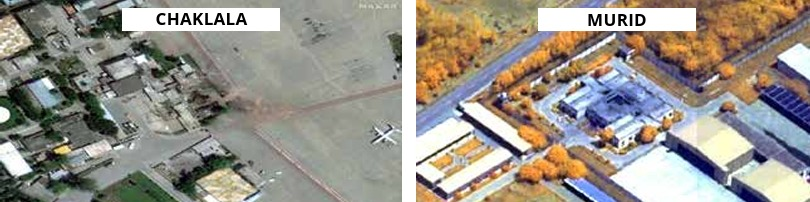
Six radars and two surface-to-air guided weapon locations were also targeted using a mix of air-launched weapons and unmanned loitering munitions. The command-and-control centres at Chaklala and Murid were also successfully targeted, with Chaklala identified as the headquarters of Pakistani air force air defence command.
How did India counter Pakistan’s drones?
Between May 8 and 10, Pakistan carried out coordinated drone and missile attacks against Indian military installations in Punjab, Rajasthan and Jammu & Kashmir. The attacks involved drones, missiles, UAVs and loitering munitions.
The challenge for India was to protect its military installations from these attacks while the IAF continued offensive operations against Pakistani military targets. This required different air-defence systems to work together and identify threats quickly.
India’s response was coordinated through the indigenous Integrated Air Command and Control System (IACCS). The system links military and civil surveillance sensors and creates a common picture of activity in the air, allowing operators to identify and track incoming threats.
The IAF operated Networked Tactical Nodes at multiple locations to identify and classify aerial targets and coordinate the response. This allowed different air-defence assets to be used together against drones, missiles, UAVs and loitering munitions.


India deployed a layered air-defence grid that included the indigenous Akash missile system, along with Pechora and OSA-AK platforms. The defence ministry also said the S-400 and Shaurya systems successfully neutralized multiple Pakistani aircraft.
The air-defence operation also had to account for civilian aviation. The ministry said Pakistan kept its civil airspace open during the conflict, including while hostile action was taking place. India used the IACCS network and trained operators to identify and classify aerial targets, ensuring that civil aircraft in Pakistani territory were not subjected to collateral damage during the air-defence operations.
What was the 314km S-400 kill?
The report highlights an S-400 engagement in which a Pakistani special mission aircraft was successfully targeted and destroyed from a distance of 314km. The ministry described it as the longest surface-to-air kill during the operation.
The engagement underlined the range of India’s long-range air-defence capability. Alongside the strikes on Pakistani airfields, radars and command centres, it showed how the IAF combined offensive operations with a networked air-defence system throughout Operation Sindoor.

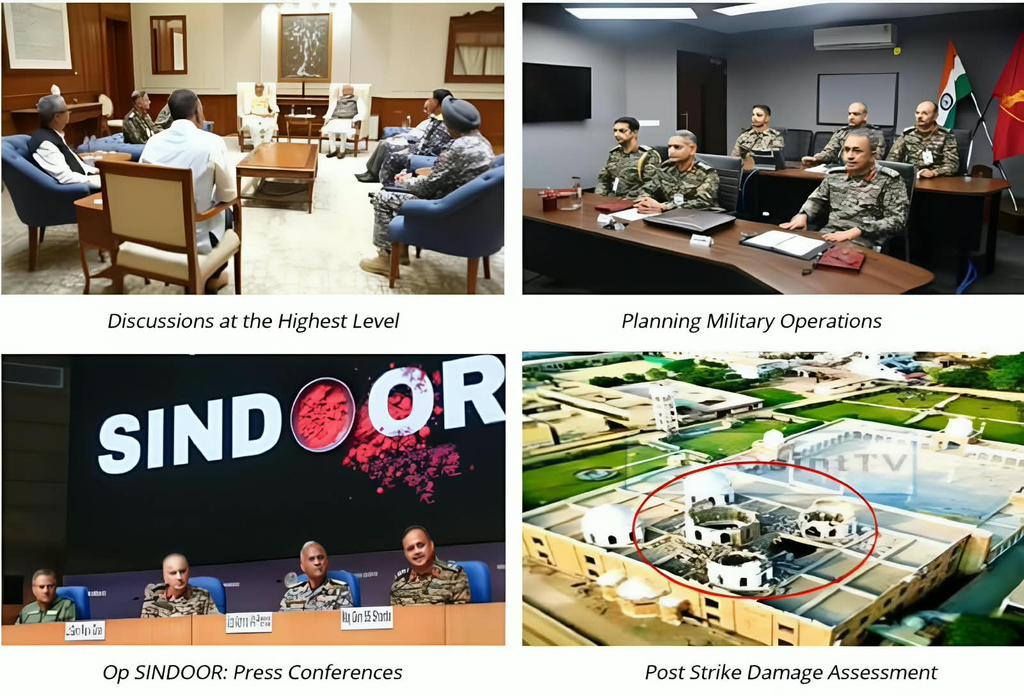
Why did India launch Operation Sindoor?
Operation Sindoor followed the April 22, 2025 Pahalgam terror attack, in which 26 tourists were killed. The defence ministry identified The Resistance Front (TRF), which it described as an offshoot of Lashkar-e-Taiba, as responsible for the attack.

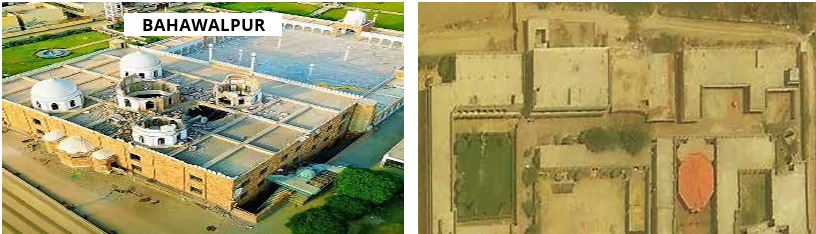
On the intervening night of May 6-7, Indian forces launched the operation against terrorist infrastructure in Pakistan and Pakistan-occupied Kashmir (POK). The IAF struck nine identified terrorist targets, including facilities linked to Lashkar-e-Taiba and Jaish-e- Mohammad at Muridke and Bahawalpur.
The strikes used long-range precision-guided weapons and intelligence-based targeting. The report said the facilities were associated with terrorist recruitment, training, indoctrination and operational planning.

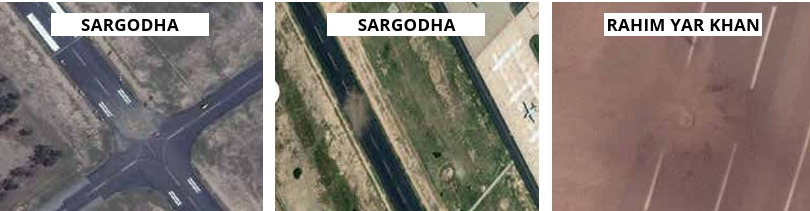
Pakistan responded to the Indian strikes with attacks against Indian military installations, turning the operation into a four-day military confrontation. The IAF subsequently struck Pakistani military infrastructure at several locations, including Nur Khan and Rahim Yar Khan airbases. The IAF targeted runways at Sargodha and Rahim Yar Khan, while the cooling plant at Jacobabad and the terminal at Rahim Yar Khan were also hit. At Jacobabad, the strikes also affected aircraft infrastructure and Pakistani unmanned systems.

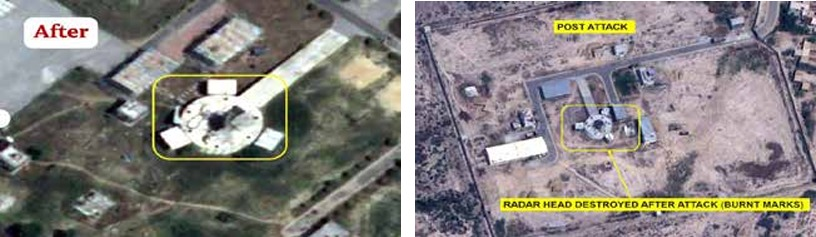
The targeting of airfields, radars and command centres was aimed at reducing Pakistan’s ability to operate aircraft, detect Indian attacks and coordinate its air-defence response.