


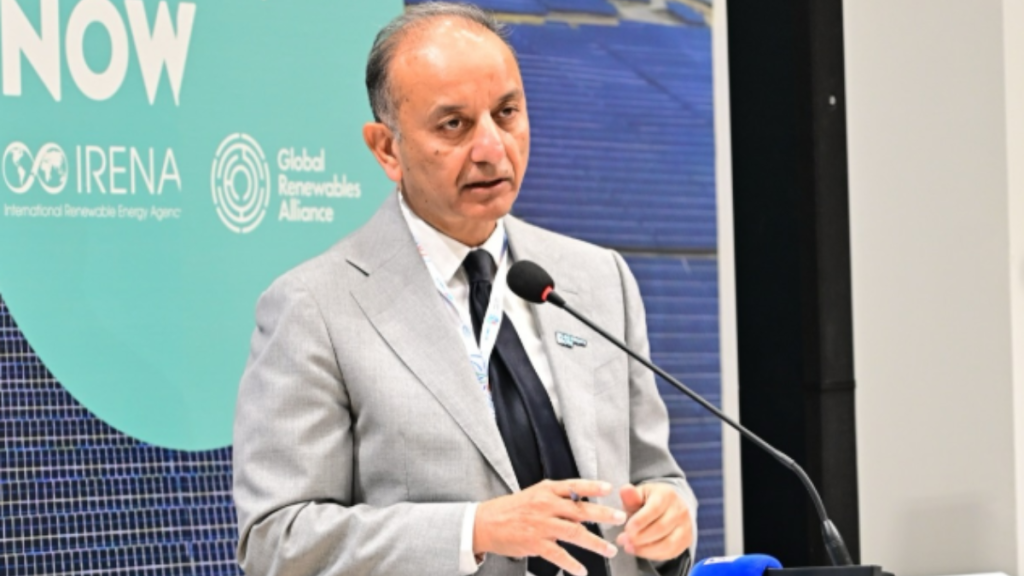
New Delhi: Pakistan’s climate minister, Musadik Malik, has come to New Delhi to attend the first Shanghai Cooperation Organisation (SCO) Civilisational Dialogue Forum, being hosted at Purana Qila, from Friday to Sunday.
The visit have gained attention for being the first trip by a Pakistani politician to India since Operation Sindoor in May 2025. According to a NDTV report, the Pakistani minister had expressed a desire to visit the iconic Taj Mahal and the prominent Sufi shrine of Hazrat Nizamuddin Dargah. However, the Indian government did not grant permission for either visit.
Thereafter, a clarification was issued by the government that Malik was issued a visa to only attend the civilizational dialogue. Therefore, he was not authorized to undertake any unplanned visit to other locations of the country.
In a later development, it has been reported by India Today, post security assessment, Malik has been given permission to visit the Taj Mahal, Delhi Haat, Humayun’s Tomb and Qila Rai Pithora. However, permission to visit the Hazrat Nizamuddin Dargah has been withheld.
Malik’s visit however has stirred a political debate in India. Opposition leaders have questioned the Centre’s decision to invite Pakistan especially post Operation Sindoor. They have also raised concerns over Malik’s critical remarks earlier concerning India’s suspension of the Indus Waters Treaty post the Pahalgam attack.
Pakistan reacted positively after receiving the invite to the forum, stating that “the government of Pakistan remains committed to promoting dialogue among civilisations and fostering people-to-people contacts within the SCO framework in a spirit of mutual respect”, as reported by NDTV.
In October, India had also sent its SCO national coordinator, Alok Dimri, to Islamabad for a preparatory meeting for the next SCO council of heads of state, that is currently being chaired by Pakistan for the 2026-27 period.
The developments underline the delicate balance India faces between fulfilling its multilateral commitments as an SCO member and maintaining security-related restrictions in its bilateral engagement with Pakistan.