


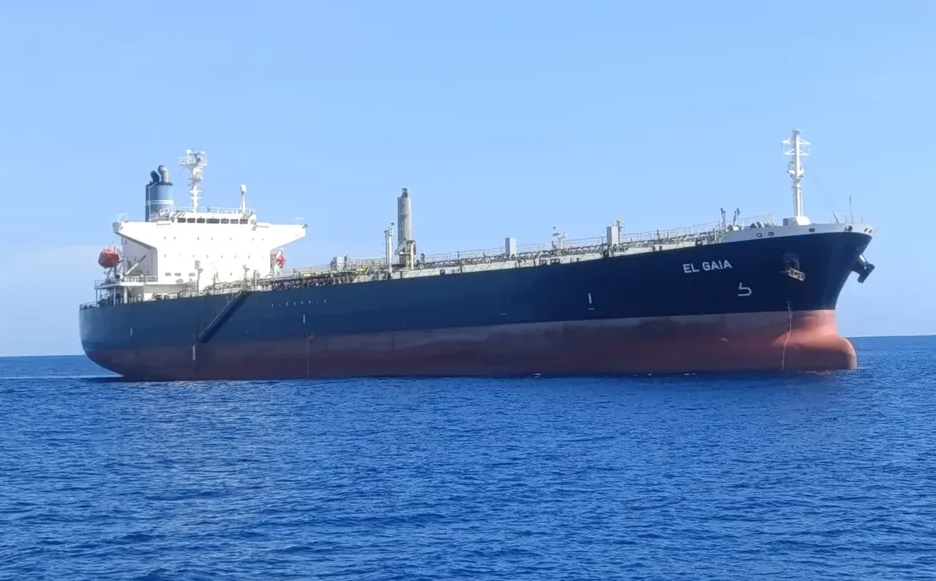
New Delhi: India has condemned an attack on the commercial vessel MT El Gaia off the coast of Oman Sunday, with 13 of the 14 Indian crew members rescued and one Indian national still missing. The Ministry of External Affairs said the Indian embassy in Oman was coordinating closely with Omani authorities as search and rescue operations continued.
In a statement issued Sunday, the MEA described the targeting of commercial shipping and civilian maritime infrastructure as “unacceptable” and called for an immediate reduction in regional tensions. It also urged all parties to return to dialogue and diplomacy, while stressing the need to restore safe and unrestricted navigation through the region’s international waterways.
The statement did not identify those responsible for the attack or provide details about the nature of the assault, including whether the vessel was struck by a missile, drone, explosive device or subjected to another form of attack. That restraint is significant, as attribution in the increasingly contested waters around the Gulf of Oman and Strait of Hormuz remains a politically sensitive matter.
The El Gaia is a Panama-flagged oil-products tanker, identified by IMO number 9325336, measuring about 180 metres in length with a deadweight capacity of roughly 48,000 tonnes. Maritime tracking records show that the vessel had recently called at Sohar in Oman after sailing from Ras Laffan in Qatar, placing it on a route closely connected with the Gulf’s energy and commercial shipping network.
The vessel’s ownership also adds a layer to the wider regional picture: maritime records identify El Gaia Shipping Inc as a UAE-based registered owner. The ship was also among 11 vessels added earlier this month to a Persian Gulf Strait Authority list of vessels designated as non-compliant, although there is no evidence in the available reporting that the listing was connected to Sunday’s attack.
That distinction matters because the maritime environment around the Strait of Hormuz has become increasingly difficult for commercial operators. The latest incident follows an earlier attack on the Saudi-flagged tanker Sidr off Oman on August 31, in which two Filipino seafarers were killed and 16 of the 25 crew members were subsequently evacuated by Omani authorities.
For India, the incident has a direct human and strategic dimension. Indian seafarers constitute a substantial component of the international maritime workforce, while India’s energy supplies and commercial interests remain heavily dependent on secure sea lanes linking the Gulf with the wider Indian Ocean.
The MEA’s emphasis on “free and safe navigation” therefore goes beyond the immediate rescue effort. It reflects India’s broader interest in preventing the militarization of commercial sea routes from becoming a sustained disruption to global trade, energy flows and the movement of civilian shipping.
The immediate priority, however, remains the missing Indian crew member. The MEA said India’s embassy in Oman was “closely monitoring” developments and coordinating proactively with Omani authorities, while thanking them for their assistance in rescuing Indian nationals.
The attack also reinforces the strategic importance of Oman’s role as a maritime security partner at a time when the Gulf of Oman and approaches to the Strait of Hormuz are facing heightened risks. With commercial vessels increasingly caught in the fallout from regional confrontation, New Delhi’s call for de-escalation reflects both a diplomatic position and a practical national interest in keeping vital international waterways open.