


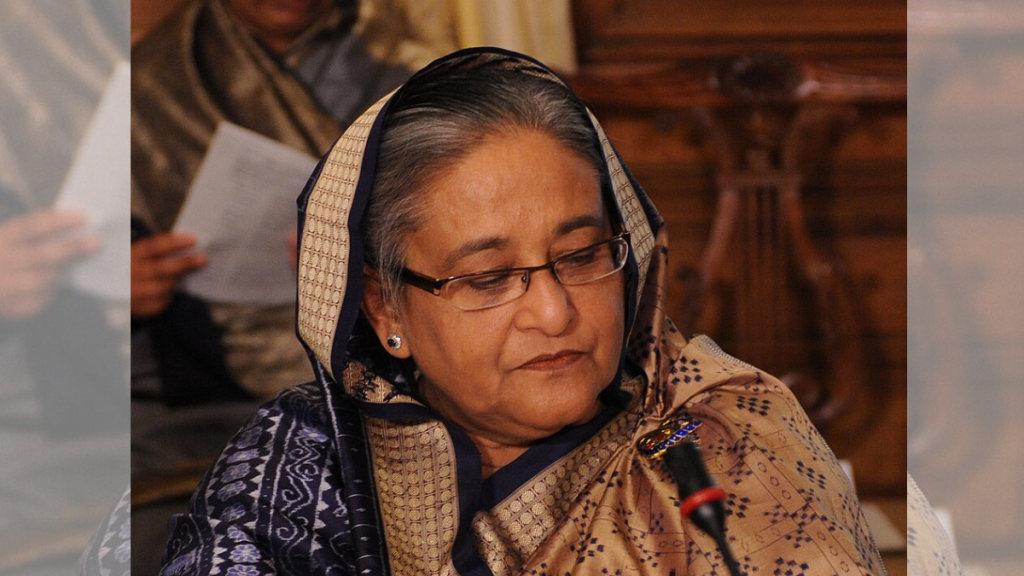
New Delhi: Bangladesh’s law minister, Mohammad Asaduzzaman, on Thursday said the government would deal with the country’s deposed former prime minister Sheikh Hasina strictly in accordance with the law if she returns to the country from India. He said authorities would neither exceed nor bypass the legal powers available to them, adding that any action against her would be determined through established legal procedures.
Speaking to journalists after an event in Dhaka, the minister said Bangladesh is making efforts to bring Hasina back through official channels. Without elaborating on the process, he indicated that the ministry of foreign affairs is pursuing steps related to her extradition.
According to Bangladesh’s Prothom Alo, Asaduzzaman said every Bangladeshi citizen has the right to return to the country, even if they are facing criminal proceedings. However, he added that if Hasina enters Bangladeshi jurisdiction while facing pending legal cases, authorities would exercise the powers granted under the law, which could include taking her into custody before any formal surrender process.
The minister was also asked how Sheikh Hasina could return to Bangladesh without a valid passport. In response, he said it was not ministry’s concern how she entered the country, adding that once she came within Bangladesh’s jurisdiction, the authorities would apply the law in accordance with the powers granted to them.
Hasina has been living in India since she was removed from office following a mass student-led uprising that ended her government’s rule. She is facing several legal cases in Bangladesh, and the interim administration has repeatedly stated that it intends to pursue legal proceedings against her.
The briefing also included questions on Bangladesh’s next presidential election. Asaduzzaman said there is currently no need to convene a special session of parliament because the country’s constitution allows up to 90 days to elect a new president after a vacancy, while the next regular parliamentary session is expected to fall within that timeframe.
Separately, the law minister highlighted the government’s efforts to reduce the burden on the judicial system by expanding the use of alternative dispute resolution (ADR). He said cooperation with legal aid organisations has helped settle disputes outside the courts, enabling litigants to receive quicker resolutions while reducing the number of new cases being filed.
According to the Bangladeshi law ministry, data from 20 districts showed that new cases filed under selected laws between March and May 2026 declined by more than 62 per cent compared with the same period last year. The government said the outcome reflects the growing effectiveness of mediation initiatives and plans to introduce further legal reforms to strengthen the ADR system.