


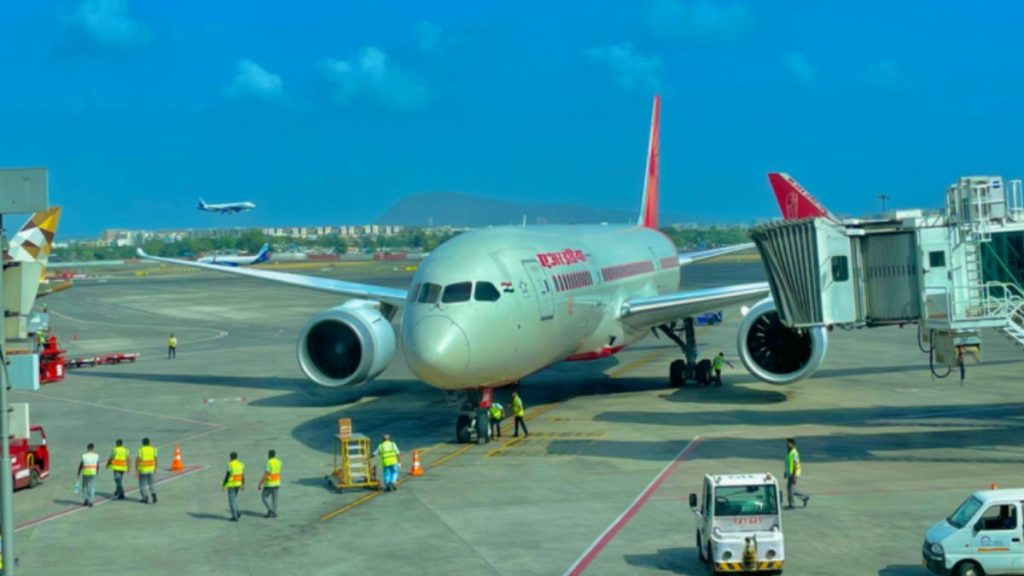
New Delhi: The pilot in command of Air India Flight AI2379 from Phuket to Delhi had disclosed that he had been prescribed medication by his family doctor for sleep difficulty, according to an internal flight-safety statement accessed by NDTV. The revelation adds another line of inquiry to a probe already examining flight data, crew actions and possible technical factors behind the Airbus A320’s sudden loss of about 300 feet on August 4.
Further to RNA Media’s earlier report on the pilot’s second dope test and Airbus joining the investigation, the latest disclosure raises fresh questions about crew fitness and rest. Investigators, however, have not established that the prescription, the reported marijuana finding or any other single factor caused the altitude variation.
Key details unknown
The captain said he had been experiencing sleep difficulty because of personal circumstances and had been prescribed medication by his family doctor. He also said sleep did not come easily during the Phuket layover and that the roster, though within prescribed limits, compressed the time available for effective daytime rest, the report said.
The report does not identify the medicine, its dosage or when it was last taken. That distinction matters because there is no public evidence so far linking the prescription to the incident.
What happened aboard AI2379
Flight AI2379, operated by Airbus A320 aircraft VT-EXO, was carrying 137 passengers, including three infants, and eight crew members when it experienced what the Ministry of Civil Aviation described as a momentary altitude variation. The aircraft stabilised and landed safely at Delhi’s Indira Gandhi International Airport.
At least 20 passengers and four crew members were reportedly injured in the incident. The government’s initial August 4 statement said eight passengers and four cabin crew had been admitted to hospital for evaluation and treatment, with all reported stable at the time.
According to the internal incident report cited by media, the captain was not in his seat when the aircraft lost altitude and the co-pilot was in command.
Marijuana result remains source-based
Both pilots underwent post-flight screening for psychoactive substances. The government said the captain’s initial test produced a result requiring confirmatory laboratory analysis, while Reuters, citing a source familiar with the matter, later reported that the confirmatory test was positive for marijuana.
The government has not publicly released the laboratory report.
As RNA Media had reported, both pilots have been taken off flying duty pending the investigation, Air India has said it is cooperating with investigators and has avoided commenting on findings while the probe is under way.
Probe extends beyond crew fitness
The investigation is broader than the captain’s medical and toxicology records. The aircraft’s flight data recorder and cockpit voice recorder have been secured, while Airbus has sent specialists to assist Indian authorities under international accident-investigation procedures.
The Aircraft Accident Investigation Bureau had classified the occurrence as a serious incident and was examining possible technical issues as well as cockpit actions. Airbus has said it is providing technical assistance to the relevant authorities.
The Air India chief executive, Campbell Wilson, was also called to brief senior civil aviation officials on the status of the investigation.