


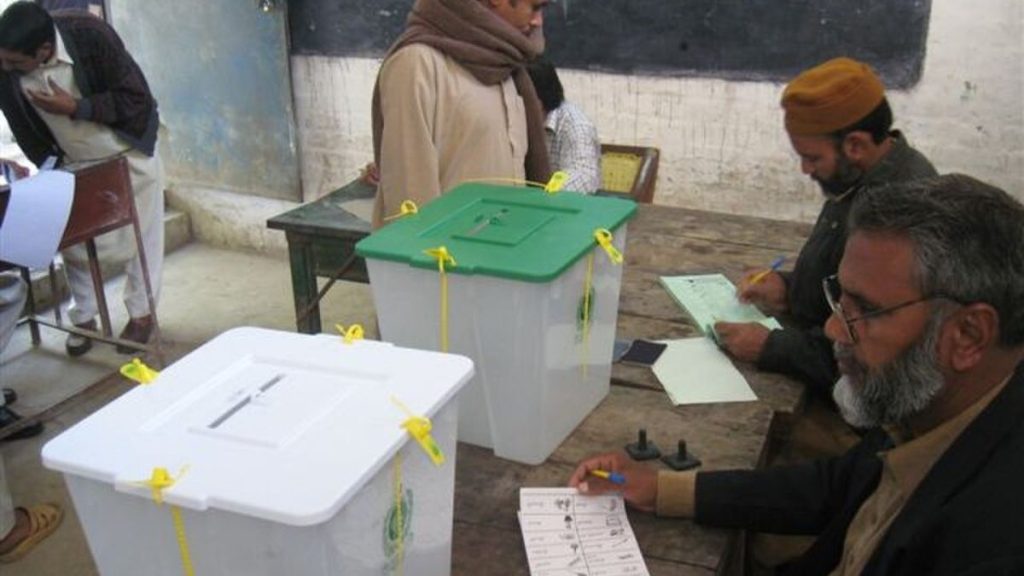
New Delhi: Pakistan is holding the second phase of elections to the 53-member Azad Jammu & Kashmir (AJK) legislative assembly on Sunday, with polling underway across Muzaffarabad division and 12 refugee constituencies. The vote comes amid protests, opposition allegations of rigging and India’s rejection of the electoral process.
Where voting is taking place
The second phase covers five constituencies in Muzaffarabad district, two in Jhelum Valley and two in Neelum, along with 12 refugee constituencies. According to the AJK election commission, 207 candidates are contesting the territorial seats and 137 the refugee constituencies.
The election is being held in three phases because of security concerns. In the first phase, held in Mirpur division, the Pakistan Muslim League-Nawaz (PML-N) won nine of the 13 seats, while the Pakistan Peoples Party (PPP) secured four. The third and final phase is scheduled for August 10 in Poonch Division.
PPP alleges rigging
PPP chairman, Bilawal Bhutto Zardari, has alleged that the first phase of the elections was manipulated, saying his party has evidence of 30 polling stations where voter turnout was recorded at 99%. He said the PPP would challenge the results through legal and constitutional channels, while the PML-N has rejected the allegations.
As polling continued in the second phase, the PPP submitted a written complaint to the AJK chief election commissioner alleging irregularities at polling station 24 in constituency LA-32. The party alleged PML-N workers were illegally stamping ballot papers and that a government employee was improperly acting as a polling agent.
In its complaint, the PPP urged the election commission to immediately stop the alleged activity, take the ballot papers into custody and launch an investigation into the incident. It also called for legal action against those found responsible.
The AJK election commission has not verified the allegations. It has appealed to voters to participate peacefully and cast their ballots.
Weeks of unrest ahead of vote
The elections are taking place amid weeks of political unrest in Pakistan-administered Kashmir. The Joint Awami Action Committee (JAAC), which initially mobilized over high electricity prices and rising living costs, has expanded its campaign to demand political reforms, better public services and changes to the electoral system.
One of JAAC’s key demands is the abolition of the 12 refugee constituencies, which protesters argue allow Islamabad to influence the region’s politics. The group has also called for greater political autonomy and governance reforms.
Ahead of the second phase, protests escalated into clashes between demonstrators and security forces in several areas. Authorities deployed thousands of police, Rangers and army personnel following incidents of road blockades, vehicle burnings and other disturbances.
JAAC has called for a boycott of the elections, arguing that the refugee constituencies distort the electoral process and that arrests of activists and internet restrictions have undermined a free and fair vote.
Pakistani authorities have rejected the allegations, saying the security measures are intended to ensure peaceful polling and prevent disruptions by banned groups.
India rejects elections
India has dismissed the electoral exercise. The External Affairs Ministry spokesman, Randhir Jaiswal, called the polls a “cosmetic electoral exercise” intended to legitimize what India describes as Pakistan’s illegal occupation of the territory. He also called the elections a “humiliation” for Islamabad.
India maintains that the Union territories of Jammu & Kashmir and Ladakh, including areas under Pakistan’s control, are an integral part of the country and that Pakistan has no legal authority to hold elections there.
New Delhi has consistently rejected elections conducted by Pakistan in Pakistan-occupied Kashmir, reiterating its position on the territory.