


New Delhi: Iran has linked the full reopening of the Strait of Hormuz to broader political and security conditions, including an end to the ongoing regional conflict, while warning that any renewed confrontation with Israel could take a different course from previous hostilities. Tehran’s latest statements came as Qatar stepped up mediation efforts to revive diplomacy between Iran and the United States and restore normal shipping through the strategic waterway.
The Iran’s secretary of the supreme national security council, Major General Mohsen Rezaei, said Tehran was closely monitoring developments in Beirut and southern Lebanon, which he described as red lines for Iran. He also said Israel would eventually be forced to withdraw from Lebanese territory.
“We will send him to hell, and we will prove that his grave mistakes have brought the end of the Israeli entity closer,” Rezaei said, referring to the Israeli prime minister, Benjamin Netanyahu, according to Al-Manar.
Rezaei said Iran did not want a new war but was preparing for the possibility of renewed hostilities, warning that any future confrontation would be different from previous conflicts. His remarks also linked developments in Lebanon and Gaza to Tehran’s wider position in any future understanding with Washington.
On the Strait of Hormuz, Rezaei said Iran was preparing a list of conditions for restoring normal maritime traffic after mediators asked Tehran to specify its requirements. He said Iran had reached an understanding with Oman on a shipping corridor through the strait, with parts of the route passing through Omani and Iranian waters.
According to Reuters, Iran’s position on the waterway remains central to diplomatic efforts to end the conflict. The strait handled around 20 per cent of global oil supplies before the war, making its reopening a key issue in discussions over any possible settlement.
Tehran has previously demanded an end to what it describes as a US blockade of Iranian ports, compensation and the removal of sanctions. Washington, meanwhile, insists that the Strait of Hormuz should remain an open international waterway.
Iran condemns new US sanctions, rejects US pressure
Amid the diplomatic efforts, Iran on Friday condemned new US economic sanctions as “state terrorism” and said other countries were legally obliged not to implement them. Tehran accused Washington of imposing its will on independent states and described the measures as a “crime against humanity”, warning of their impact on Iranian civilians.
The statement came after the Trump administration warned countries earlier this week to reduce business ties with Iran or face possible secondary sanctions. Washington has maintained its economic pressure while insisting that Tehran must make a meaningful move towards negotiations.
Meanwhile, the Iranian foreign minister, Abbas Araghchi said diplomacy with Washington remained possible if the United States changed its approach towards Tehran. He called on Washington to build trust, respect Iran’s rights and honour its commitments.
“Putting diplomacy back on track isn’t impossible. It hinges on US understanding of one simple fact: pressure doesn’t work,” Araghchi said in a post on X.
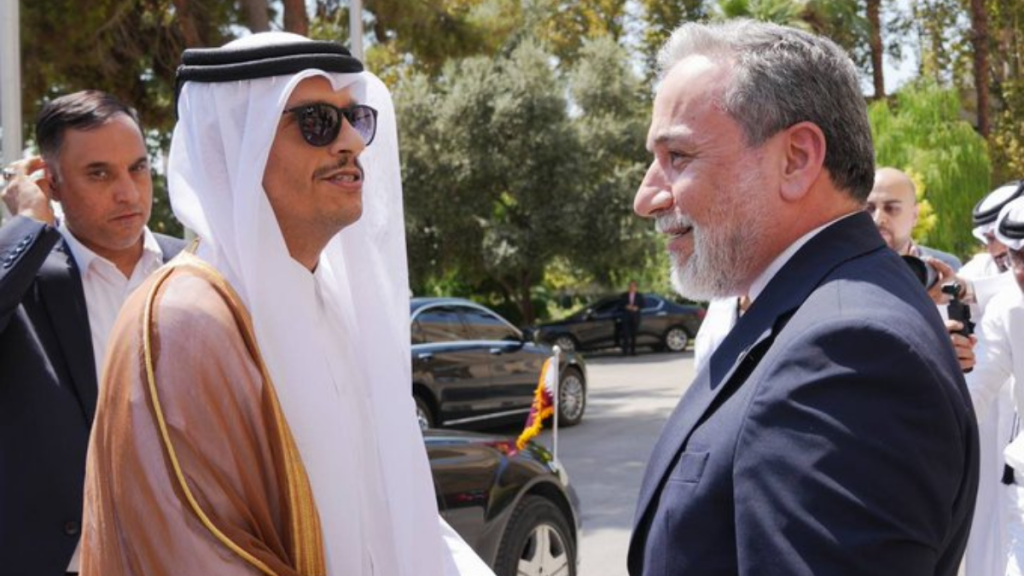
Araghchi also described his discussions with Qatar’s prime minister and foreign minister, Sheikh Mohammed bin Abdulrahman Al Thani, as “creative”. The Qatari leader travelled to Tehran as part of renewed mediation efforts focused on restoring diplomacy and reopening the Strait of Hormuz.
Qatar’s intervention comes as Washington maintains that it is not currently negotiating with Tehran. The United States president, Donald Trump, has continued to demand that Iran come to the negotiating table in a meaningful way, while his administration pursues economic pressure against Tehran.
With Iran tying the Strait of Hormuz to wider political and security demands, the future of the waterway remains closely connected to efforts to end the conflict. The latest diplomatic moves suggest that reopening the strategic chokepoint could become a central test of whether Tehran and Washington can return to negotiations.