


New Delhi: Iran attacked a tanker early Tuesday in the Strait of Hormuz, forcing its crew to abandon the vessel, according to reports. Iran’s Islamic Revolutionary Guard Corps (IRGC) claimed responsibility for the attack, as well as two other attacks on ships a day earlier, on Monday.
The tanker was struck off the coast of Oman, according to the UK Maritime Trade Operations body (UKMTO). The crew had to abandon ship. This route had earlier been recommended by the US military as a safer alternative to the main strait.
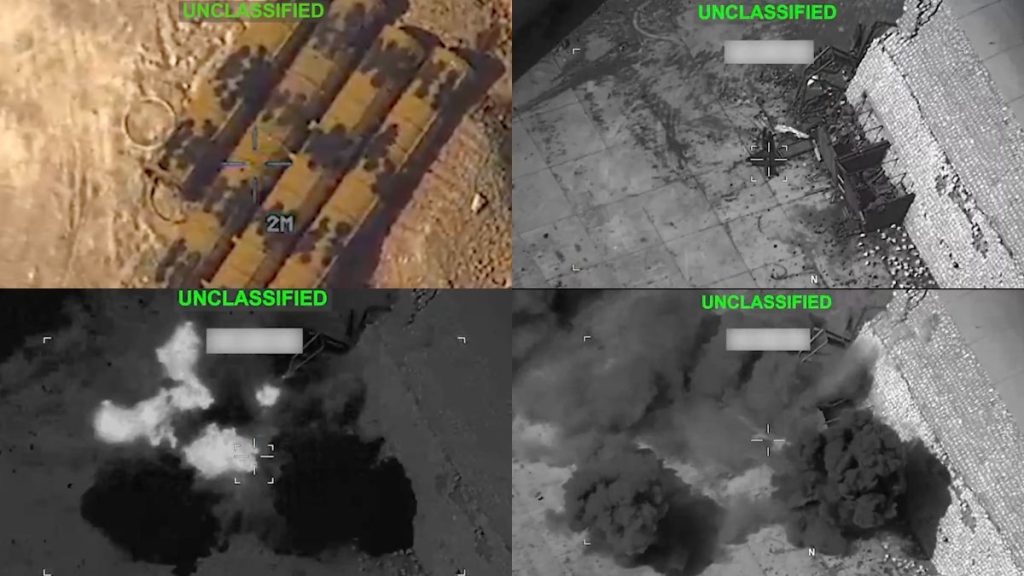
The US, meanwhile, has now carried out 10 consecutive nights of airstrikes against Iran. US Central Command said the latest round of strikes hit Iranian military command centres, maritime capabilities, missile and drone launch sites, and air-defence systems.
Despite this, Washington has not managed to loosen Iran’s grip on the strait. Shipping through the waterway, which normally carries about a fifth of the world’s traded crude oil and natural gas, has largely come to a halt.
The fighting has also spread well beyond Iran and the waters around Hormuz. Kuwait said its air defences fired at an incoming barrage, Jordan said it shot down three Iranian missiles with no damage or casualties, and Bahrain said Iranian drone strikes had targeted its air-traffic systems, warning that civilian flights were at risk.
The Pentagon said nearly 100 US service members have suffered some degree of injury since July 7, according to Pentagon spokesman Sean Parnell, with 96% having since returned to duty.
As reported by RNA, two US soldiers were killed in Jordan, with a third reported missing, and another US service member died in Iraq on Saturday during the “controlled detonation” of a downed Iranian drone. Since the wider war began on February 28, 17 US service members have died in total.
The US president, Donald Trump, warned that Iran would pay “many times over” for every American soldier it kills, and was expected to attend a ceremony at Dover Air Force Base for the return of a service member’s remains. Iran, for its part, said the latest US strikes had killed at least 50 people and wounded 517.
Second front at Bab el-Mandeb
Meanwhile, Yemen’s Iran-backed Houthi movement made a major announcement on Monday. It said it was imposing an immediate maritime embargo against Saudi Arabia.
This opens up a second front in the region’s shipping crisis.
Houthi military spokesman Yahya Saree called it an “eye for an eye” response. He said it was in retaliation for Saudi Arabia’s decade-long blockade of Yemen, along with a recent attack on Sanaa International Airport that the Houthis blame on Riyadh.
The deputy head of the Houthi media office, Nasruddin Amer, said the Bab el-Mandeb Strait would now be closed to Saudi Arabia. The group gave few details on how it plans to actually enforce this.
The Saudi-led coalition in Yemen threatened to respond with force. It said it had already begun putting safety measures in place for Saudi ships passing through the strait. Saree warned that any “foolish act” by Saudi Arabia would trigger “comprehensive and decisive escalation.”
Bab el-Mandeb is only about 32-kilometre wide at its narrowest point. Despite its size, it carries around 12% of global trade and a quarter of the world’s container shipping to and from the Suez Canal.
The Houthis have disrupted this route before. During the Israel-Hamas war in Gaza, they attacked more than 100 vessels passing through it.
This threat is especially serious for Saudi Arabia because of what’s already happening at Hormuz. With shipping there largely stalled, Saudi Arabia has been relying more heavily on its East-West Pipeline to move oil overland to the Red Sea instead.
Rystad Energy estimates that about 2.5 million barrels of oil a day could now be at risk. That’s the case if the Houthis manage to disrupt this second route as well.
Efforts to de-escalate the wider war continue alongside the fighting. An interim agreement reached last month has since collapsed, and Pakistan has stepped up efforts to revive it. Iran’s interior minister, Eskandar Momeni, arrived in Islamabad this week for talks with Pakistani officials.
The US secretary of state, Marco Rubio, has said Washington remains open to negotiations with Iran. He said progress would depend on which officials in Tehran end up controlling any talks.