


New Delhi: The United States and Iran have agreed to halt military attacks against each other and resume negotiations in Doha, Qatar, on Tuesday, in a bid to salvage the June 17 memorandum of understanding (MOU). Both sides will “stand down for now,” with vessels free to move as technical talks continue, a US official said, following days of escalating strikes that had threatened to collapse the agreement aimed at reducing tensions in West Asia.
The talks, set for coming Tuesday, were originally slated to take place in Switzerland, but the latest flare-up shifted the venue to Doha and narrowed the agenda specifically to the Strait of Hormuz standoff, according to Axios.
The latest understanding came after a series of confrontations that unfolded following the June 17 agreement, under which Tehran committed to allowing the safe passage of commercial vessels through the Strait of Hormuz while Washington agreed to lift its blockade of Iranian ports.
Despite the sharp escalation, both governments have now agreed to pause military operations and return to the negotiating table. “Technical talks are slated to continue on all areas of the MoU. Both sides will stand down for now and vessels can move freely,” a US official said. The upcoming talks are expected to focus on strengthening the ceasefire framework, protecting commercial shipping through the Strait of Hormuz and preventing further military confrontations in the region.
But tensions flared again when Iran reportedly attacked a commercial vessel in the Strait of Hormuz by launching a drone and projectile attack on the Singapore-flagged cargo ship Ever Lovely to assert maritime control. The vessel was targeted because it was traveling on an international, UN-backed shipping corridor instead of Iranian-approved sea lanes. The incident caused no casualties. However, Washington condemned the attack in the strongest terms, calling it a violation of the understanding. Iran defended its actions, saying all parties must respect the agreed rules governing maritime security in the strategic waterway.
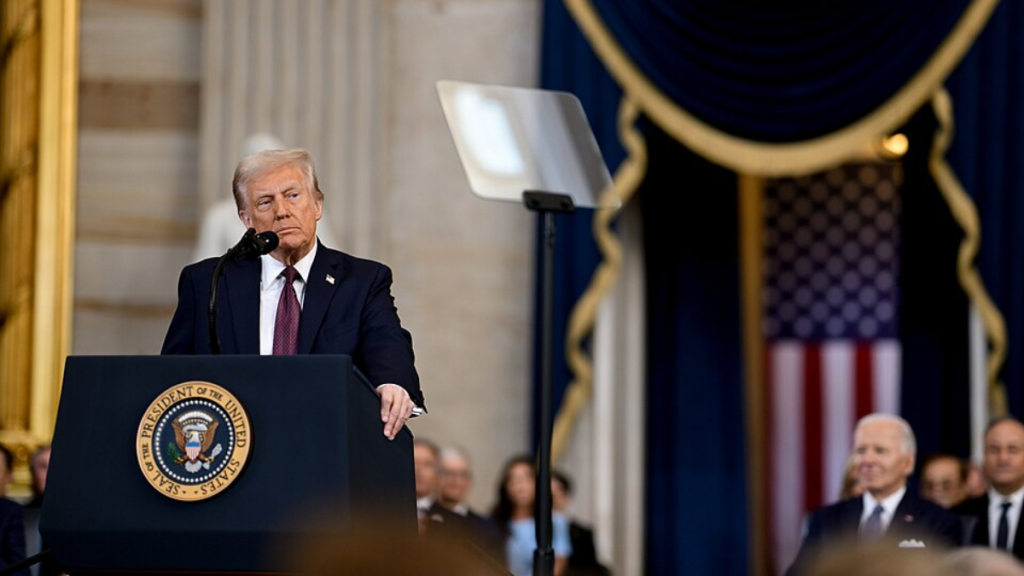
The dispute quickly escalated into direct military action. US Central Command said it attacked Iranian military targets over “continued Iranian aggression against commercial shipping” following another strike on a tanker in the region. US President Donald Trump, in turn, warned that the United States was prepared to take further military action if Iranian attacks continued, saying Iran would “no longer exist” if Washington was forced to return to war.
As reported earlier, Iran responded by launching missiles and drones at US military bases in Kuwait and Bahrain following the fresh US strikes. Kuwait’s army said its air defences responded to the missile and drone attacks, while Bahrain reported sirens sounding. A US official confirmed there were no reported American casualties or major damage to US sites.
Both Washington and Tehran accused each other of breaching the agreement, while regional governments closely monitored the situation amid concerns over wider instability and disruptions to global energy supplies.