


New Delhi: The International Court of Justice (ICJ), the UN’s highest court, ruled on Thursday that Myanmar committed genocide against Rohingya Muslims during its 2017 military crackdown. The court held the country responsible for mass killings, sexual violence and other atrocities by its armed forces.
A panel of 15 judges found that Myanmar’s military intended to destroy a substantial part of the Rohingya population in northern Rakhine state. The presiding judge, Yuji Iwasawa, said security forces killed thousands of civilians, committed widespread sexual violence and attacked people fleeing the violence.
The court also found that the military carried out mass executions of men and boys and sexual violence against women, and destroyed hundreds of villages. It also noted that the military spread hate speech against the Rohingya community.
The 2017 crackdown forced at least 700,000 Rohingya to flee to neighbouring Bangladesh. A UN fact-finding mission estimated that at least 10,000 people were killed during the operations. The ICJ said this figure was supported by the evidence.
The court ordered Myanmar to ensure the safe and dignified return of displaced Rohingya. It also directed the country to reunite separated families and compensate victims. The amount of compensation will be decided later.
Reacting to the verdict, Wai Wai Nu, a former political prisoner and executive director of the Women’s Peace Network, called it a historic moment for the Rohingya community. She said the ruling recognized their suffering and challenged decades of denial about their identity and existence, Reuters reported.
James Goldston, executive director of the Open Society Justice Initiative, also welcomed the decision, Reuters reported. He said the ruling highlighted the role of international institutions in establishing facts and holding governments accountable.
Myanmar has repeatedly denied committing genocide. It maintains that its military operations were aimed at tackling an armed insurgency. The government did not immediately comment on Thursday’s ruling.
What was the case against Myanmar?
The case was filed by the Gambia in 2019 under the 1948 Genocide Convention. It accused Myanmar of carrying out killings, sexual violence and destruction of Rohingya villages during the 2017 military crackdown.
The Gambia approached the ICJ to hold Myanmar accountable for these actions under international law. The main question was whether the military intended to destroy the Rohingya community, fully or partially.
The verdict marks only the fourth time since the Holocaust that an international court has established genocide. It is also the first time the ICJ has held a state directly responsible for committing genocide, Reuters reported.
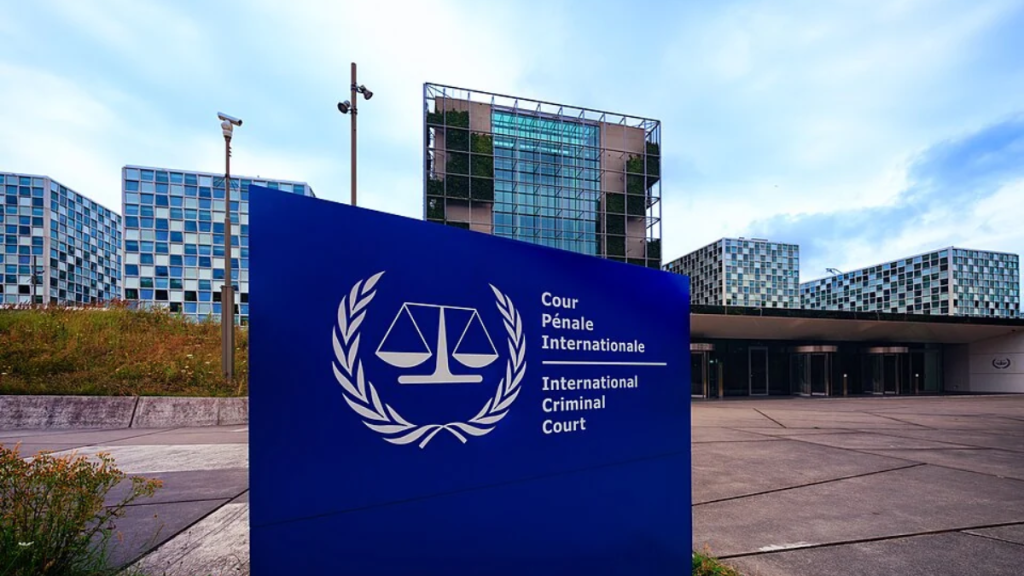
The ICJ’s judgment is final and cannot be appealed. However, the court has limited powers to enforce its decisions. Unlike the ICJ, the International Criminal Court prosecutes individuals accused of genocide, war crimes and crimes against humanity.