


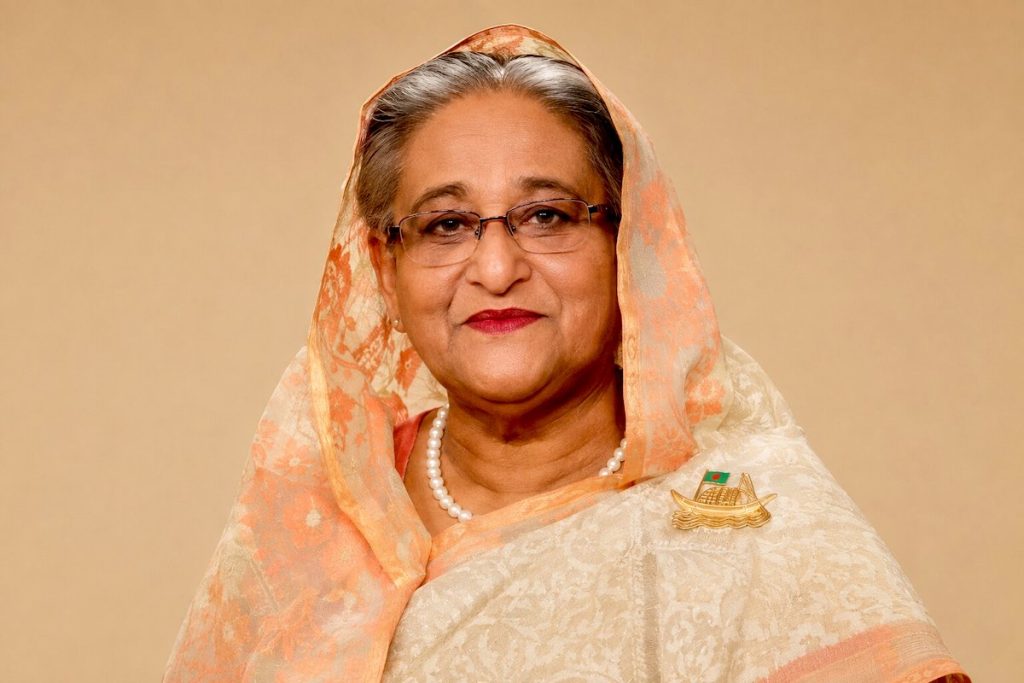
New Delhi: The deposed Bangladesh prime minister, Sheikh Hasina, has formally sought a fresh passport and national identity card to facilitate her proposed return from India in December, more than two years after a popular uprising forced her from power. However, the government in Dhaka has rejected the request, insisting that the 79-year-old leader, who faces a death sentence for crimes against humanity, must be brought back through an extradition agreement with India rather than allowed to return as an ordinary traveller.
The development marks Hasina’s first known formal approach to Bangladeshi authorities since she fled to India on August 5, 2024, following weeks of violent anti-government demonstrations. According to a Reuters report, her London-based lawyers at Matrix Chambers wrote to the acting high commissioner of Bangladesh in New Delhi, Preeti Rahman, on November 9, requesting the issuance of new travel and identification documents.
The lawyers argued that Hasina remained a Bangladeshi citizen despite the reported cancellation of her existing passport and national identity card by the previous interim administration. Their letter sought expedited processing of the applications, citing the country’s domestic laws and obligations under international human rights instruments.
Hasina has repeatedly declared her intention to return to Bangladesh in December and surrender before a court, despite the possibility of facing capital punishment. Her aides said a specific date would be announced after the necessary formalities were completed, although Dhaka’s latest response has introduced fresh uncertainty over how her proposed return could take place.
Dhaka insists on extradition
Bangladesh’s state minister for foreign affairs, Humaiun Kobir, dismissed the request, describing Hasina as a fugitive and insisting that she be handed over under the bilateral extradition treaty. He told reporters that his government would not issue a passport to someone it regarded as a terrorist, making clear that Dhaka was unwilling to facilitate her return on terms proposed by her legal representatives.
However, the home minister, Salahuddin Ahmed, offered a more procedural assessment, saying the authorities were examining the authenticity and legal validity of the application. According to the Dhaka Tribune, the government was also considering whether Hasina remained legally entitled to obtain fresh documents, suggesting that the administrative examination had not been formally concluded.
The distinction between voluntary return and extradition is significant because the two processes involve different legal and diplomatic considerations. A passport could allow Hasina greater control over her journey, whereas extradition would involve a formal transfer of custody between Indian and Bangladeshi authorities.
Death sentence complicates return
Hasina was sentenced to death in absentia by Bangladesh’s International Crimes Tribunal in November 2025 for crimes against humanity linked to the violent suppression of the student-led uprising. A United Nations investigation estimated that as many as 1,400 people were killed during the unrest, which ultimately ended her 15-year uninterrupted tenure as prime minister.
The former leader has denied ordering unlawful violence and challenged both the tribunal’s findings and the legitimacy of the proceedings against her. Nevertheless, the conviction creates substantial legal risks should she return, particularly because the authorities have maintained that she must face judicial proceedings in Bangladesh.
In a recent interview with the Associated Press, Hasina reiterated her determination to return even if doing so endangered her life. Her position suggests that the proposed homecoming is intended not merely to end her exile but also to challenge the political and legal consequences of her removal from office.
Political stakes in Bangladesh
Hasina’s proposed return comes against the backdrop of a substantially altered political landscape following the February 2026 general election, which brought the Bangladesh Nationalist Party to power under the prime minister, Tarique Rahman. Her Awami League, previously one of the country’s dominant political organizations, was barred from participating, and several senior party figures remain imprisoned or in exile.
The former prime minister retains support among sections of the population, although the extent of that support under present circumstances remains uncertain. Her return could energize Awami League supporters, but it could equally provoke opposition from those who hold her administration responsible for the deadly crackdown in 2024.
Diplomatic dilemma for India
For New Delhi, the development presents another challenge in its relations with Bangladesh, which deteriorated sharply after India provided Hasina refuge following her removal. Dhaka has repeatedly sought her extradition, while India’s ministry of external affairs has maintained that the request is being examined through appropriate legal and judicial processes.
The diplomatic sensitivity extends beyond Hasina’s personal circumstances because Bangladesh remains important to India’s northeastern connectivity, border management, trade and regional security interests. New Delhi has sought to rebuild engagement with Rahman’s administration, but the unresolved extradition issue continues to complicate relations.
Hasina’s departure from India could remove one persistent source of friction, although the circumstances of her return would be crucial to its diplomatic consequences. For now, her application has transformed a previously stated political intention into a concrete administrative demand, leaving Bangladesh to decide whether to address it through citizenship procedures or insist exclusively on extradition.