


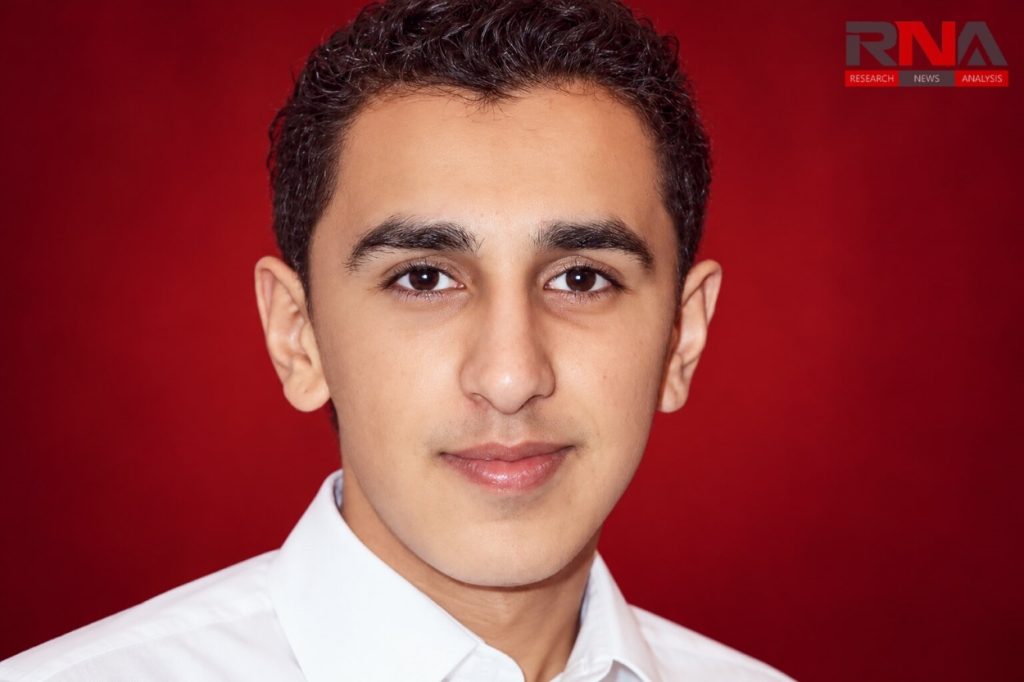
New Delhi: A Saudi man faces imminent execution after the kingdom’s supreme court reportedly upheld his death sentence in a case involving protests and funerals he attended between the ages of 15 and 17. Rights organizations say Youssef al-Manasif’s prosecution raises serious questions about Saudi Arabia’s treatment of juvenile defendants and its reliance on confessions allegedly obtained through torture.
The latest warning follows reports that the supreme court has approved the sentence, substantially narrowing his prospects of escaping execution. The US Commission on International Religious Freedom, an independent federal commission, has also publicly warned that his life is in immediate danger following the court’s decision.
Manasif was arrested on April 6, 2017, when he was 20, over allegations that included activities dating back to his childhood in Qatif, in eastern Saudi Arabia. According to MENA Rights Group, he had participated in demonstrations against the treatment of the kingdom’s Shia minority and attended funerals of people killed during protests.
The specialized criminal court, which handles terrorism cases, sentenced him to death on October 16, 2022. His case has subsequently passed through repeated appeals, with the US commission recording that an earlier sentence was overturned before the death penalty was reinstated and upheld again.
Although campaigners emphasize his participation in demonstrations and funerals, the prosecution brought a considerably broader set of allegations. A June 2022 communication from UN human rights experts listed accusations including joining an armed organization, firing at security personnel, possessing weapons, financing terrorism and drug offences.
Those accusations remain central to the dispute over the case. The experts relayed allegations that the evidence was inconsistent and that prosecutors relied on statements extracted through torture. They also observed that the alleged offences did not appear to have caused any deaths, questioning whether capital punishment could meet international safeguards governing its use.
MENA Rights Group says Manasif endured prolonged isolation, restrictions on contact with his family and severe mistreatment that required hospital treatment. The organization also says he was compelled to incriminate himself, while Reprieve told the Guardian that he first met his state-appointed lawyer in 2022, five years after his arrest.
The allegations have prompted scrutiny beyond campaigning organizations. According to MENA Rights Group, the UN Working Group on Arbitrary Detention concluded in an opinion adopted in November 2024 that his detention was arbitrary and violated protections concerning fair trial and non-discrimination.
His continued exposure to execution has renewed attention to Saudi Arabia’s announcement in 2020 that it would restrict death sentences for offences committed by children. However, Human Rights Watch’s examination of the changes found that the reforms did not establish an unconditional prohibition covering every category of offence.
The changes extended protections under the 2018 juvenile law, including a maximum 10-year prison term for offences subject to discretionary punishment, known as ta’zir. Exceptions remained for qisas, generally associated with retributive punishment for murder, and hudud, offences carrying prescribed penalties under the kingdom’s interpretation of Islamic law.
Saudi Arabia’s governmental human rights commission nevertheless stated in April 2020 that juvenile offenders convicted of terrorism crimes would also be spared execution. Rights organizations have repeatedly challenged the gap between those assurances and subsequent death sentences involving alleged childhood offences.
International protections turn on a defendant’s age when an offence was committed, regardless of their age at trial or execution. The Convention on the Rights of the Child, to which Saudi Arabia is a party, prohibits capital punishment for offences committed before the age of 18.
The concern has intensified following other executions involving alleged childhood offences. In a joint statement published in November 2025, rights organizations cited the executions of Jalal al-Labbad and Abdullah al-Derazi and urged Riyadh to protect Manasif and other prisoners facing similar risks.
The case also comes against a wider rise in Saudi executions. Amnesty International recorded at least 356 executions in 2025, including 240 for drug-related offences, underscoring the extensive use of capital punishment beyond cases involving intentional killing.
Manasif’s family had already sought international intervention before the latest warning, joining another prisoner’s relatives in an appeal published by UK’s Reprieve on January 30. Their request was for diplomatic efforts to secure the men’s release, while rights organizations continue to press Saudi authorities to halt executions and honour their commitments concerning juvenile defendants.