


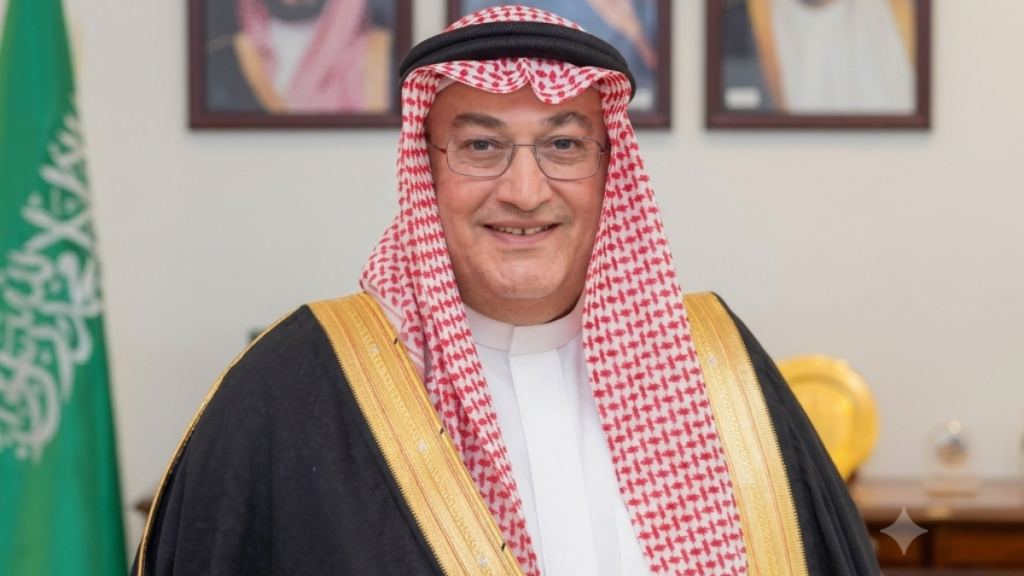
New Delhi: According to the Saudi Arabian authorities, there is no truth in the statement put forward by the Wall Street Journal that the Houthis in Yemen want $51 billion in compensation from Saudi Arabia, in addition to their acceptance of their sovereignty over the territory in exchange for stopping the hostilities against the kingdom. Ambassador Rayed Krimly, Saudi Arabia’s deputy minister for public diplomacy, called the reports “pure fabrication,” and accused the paper’s reporters of lying.
In his X post on Friday, Krimly rejected the narrative from the newspaper outright, stating, “I categorically deny the claims published by the Wall Street Journal regarding demands made by this militia. All of this is pure fabrication by the writers or their alleged sources.”
He further accused the Houthis of undermining Yemen’s government and worsening the humanitarian situation in the country. “These militias turned against the Yemeni government, caused famine among the Yemeni people, and dragged Yemen into conflicts and agendas that do not serve Yemen and its people,” he wrote.
Krimly also accused the group of attacking commercial vessels in the Red Sea, targeting civilian and economic infrastructure, and rejecting peace initiatives. Emphasizing the legitimacy of Yemen’s internationally recognized authorities, he added, “We also remind the writers that Yemen has a recognized government.”
What did the Wall Street Journal report?
The denial followed a report published on Wednesday, which said Saudi Arabia had approached the Houthis to explore the possibility of negotiating an end to renewed hostilities.
According to the WSJ report, the Houthis reportedly asked for $51 billion worth of reparations from the Saudis in connection with their sustained period of air raids and the blockade. The other condition was recognition of the Houthi as the rightful rulers of Yemen.
These demands, if met, would imply a considerable political concession on the part of Saudi Arabia, which backs Yemen’s government that is recognized by the international community. The recognition of Houthis as the leaders of the country would undermine the status of the current government.
In addition, the WSJ article talked about the challenges faced by Riyadh due to Houthi’s attacks against Saudi land, oil infrastructure, airports, and maritime transport. It noted that Saudi Arabia was considering its options amid fresh conflicts, which would only add to its problems.
Renewed tensions in the Red Sea
The latest exchange comes amid escalating tensions between Saudi Arabia and the Houthis, against the backdrop of the wider Middle East conflict. The strikes of the Houthis against commercial vessels navigating the waters of the Red Sea and against the interests of Saudi Arabia further complicated the situation.
These developments have added to the already complex situation in Yemen, where the Houthis have been controlling the capital city, Sanaa, since 2014, while the internationally recognized government has been opposing their rule.
The statement by Krimly is an indication that the kingdom of Riyadh does not agree to the financial and political terms presented by the Houthis.