


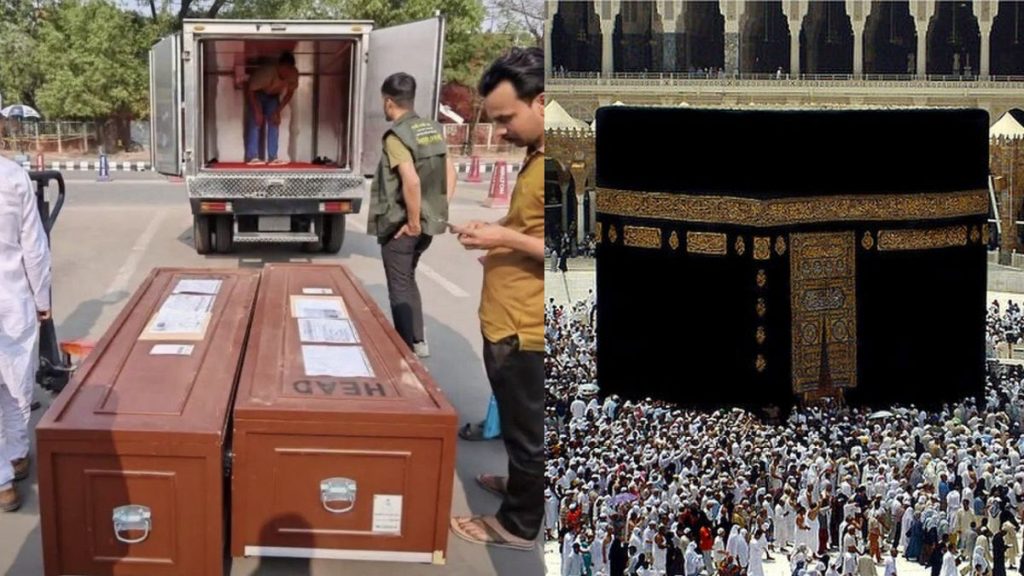
New Delhi: Saudi Arabia executed two Bangladeshi nationals in the Mecca region on October 14 after convicting them of what its interior ministry described as an “immoral act” inside a mosque. Bangladesh says its foreign ministry and diplomatic mission were not informed beforehand and has sought details of the judicial proceedings and executions.
Bangladesh’s foreign ministry contacted the Saudi embassy in Dhaka after learning of the executions through media reports, according to Prothom Alo. Its consulate in Jeddah sent a diplomatic note to the local Saudi foreign ministry office on Thursday and requested a meeting with a Saudi official on Sunday. The same note was presented to Saudi ambassador, Abdullah ibn Dhafer ibn Ubayya during his meeting with foreign ministry secretary, Mohammad Nazrul Islam, and the ambassador reportedly said he would seek further details from Riyadh.
A further complication emerged on Monday when the Daily Star reported that Saudi authorities had included both individuals on a list of approximately 2,500 prisoners supplied to Bangladesh’s consulate in Jeddah following a September request. A consular official said the list contained no information about their death sentences and that neither individual had requested consular assistance.
Dhaka seeks details of judicial proceedings
“Neither our foreign ministry nor our mission in Saudi Arabia was informed about the matter beforehand,” the state minister for foreign affairs, Shama Obaed Islam, said on Saturday. She said Bangladesh had requested information about the offences, judicial proceedings and reasons its mission was not notified.
On Monday, another state minister for foreign affairs, Humaiun Kobir, said Bangladesh expected foreign governments to notify it when its nationals faced criminal proceedings so that consular assistance could be extended.
“We are seeking an explanation,” he said, describing an apparent lapse in information-sharing while emphasizing that Bangladesh’s concerns centred on communication and procedures.
The Bangladesh consulate general in Jeddah had contacted Saudi authorities after learning of the executions through media reports. Officials also sought documentation to independently verify the individuals’ identities, as the Saudi announcement did not include passport or residence permit details.
‘Sentences followed court proceedings’
Saudi Arabia’s interior ministry identified the two as Nazerul Islam Abdul Basir and Siti Akhtar. It said security authorities arrested and investigated them before referring the case to a competent court, which imposed death sentences under ta’zir, a discretionary category of punishment under Islamic law.
The ministry said the verdicts were upheld and a royal order authorized their implementation. It cited the seriousness of violating a mosque’s sanctity but did not identify the mosque, explain the alleged conduct in detail or disclose when the arrests occurred.
The absence of advance notification has raised questions about consular assistance. Article 36 of the Vienna convention on consular relations requires detained foreign nationals to be informed of their right to consular contact, with notification of detention required if they request it. Whether either individual made such a request remains unclear.
Shama described the executions as unfortunate and urged Bangladeshis abroad to respect their host countries’ laws. Both governments have reaffirmed their longstanding relationship, while Dhaka awaits Riyadh’s detailed response before deciding on further steps, including arrangements concerning the bodies.