


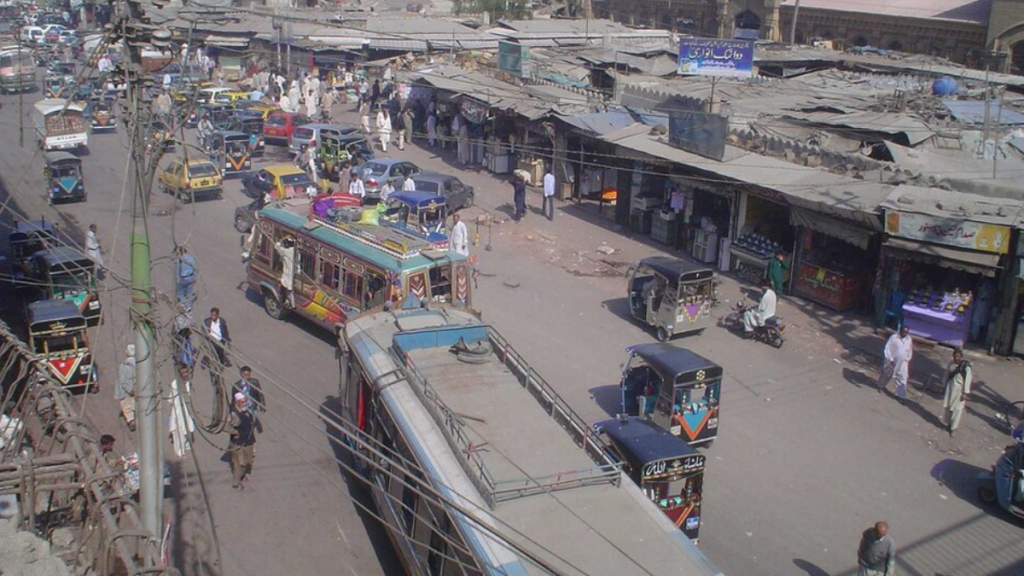
New Delhi: Pakistan is facing a lockdown-like situation as rising fuel prices and growing energy concerns have forced the government to impose sweeping restrictions on daily life and official spending. Shops and markets in Islamabad will now shut early, government vehicles will get less fuel, and officials will face a ban on foreign travel as authorities try to conserve energy.
The new restrictions come after petrol and diesel prices climbed sharply amid disruption to global energy supplies linked to the Middle East conflict. Pakistan is also facing concerns over gas and power shortages, adding to the pressure on an economy already struggling with rising fuel costs.
Under the new rules, shops, markets, shopping malls, bazaars, departmental stores, grocery stores and other retail outlets in Islamabad must close by 9pm. Marriage halls and marquees will shut by 10pm, while restaurants, cafes, eateries and other food outlets will have to close by 11pm. Takeaway and home delivery services will remain allowed.
The restrictions extend beyond businesses and public spaces. Marriage functions will be allowed to serve only one dish to guests, while pharmacies, hospitals, clinics, medical laboratories, bakeries, tandoors, milk and dairy shops, fuel and CNG stations, EV charging points, gyms, sports facilities, IT companies and call centres are exempt from the closing-time rules.
According to Geo News, the measures have initially been imposed in Islamabad, with the federal government asking provincial and regional authorities to consider adopting similar restrictions. The government has also cut fuel allocations for official vehicles by 50 per cent for three months and banned foreign travel by government officials during the same period.
The government has also banned departments from purchasing new vehicles and other durable goods, except for IT-related procurement. Non-essential recurring government expenditure will be cut by 5 per cent during the 2026-27 financial year as Islamabad seeks to reduce fuel consumption and control spending.
According to reports, officials have been asked to hold meetings through teleconferencing wherever possible. Government-funded seminars, training programmes and conferences have also been restricted, while official dinners will not be hosted except for visiting foreign delegations.
The pressure is also visible at fuel stations, with petrol now costing Pakistani rupees (PKR) 391.22 per litre and high-speed diesel selling at PKR 421.45 per litre. The latest increase took effect on September 17, after petrol and diesel prices were raised by PKR 6.88 and PKR 5.62 per litre respectively.
To provide some relief, Pakistan has introduced a PKR 100-per-litre subsidy for motorcycle, rickshaw and small-car owners under a capped monthly quota. At the same time, disruptions to LNG supplies and higher global energy prices have raised concerns about possible gas and power shortages, putting further pressure on households and businesses.
Pakistan had introduced similar fuel-saving and spending-cutting measures earlier this year. The latest restrictions show how sharply the energy crisis is now affecting everyday activities, from shopping and dining hours to government travel, fuel use and official spending.