


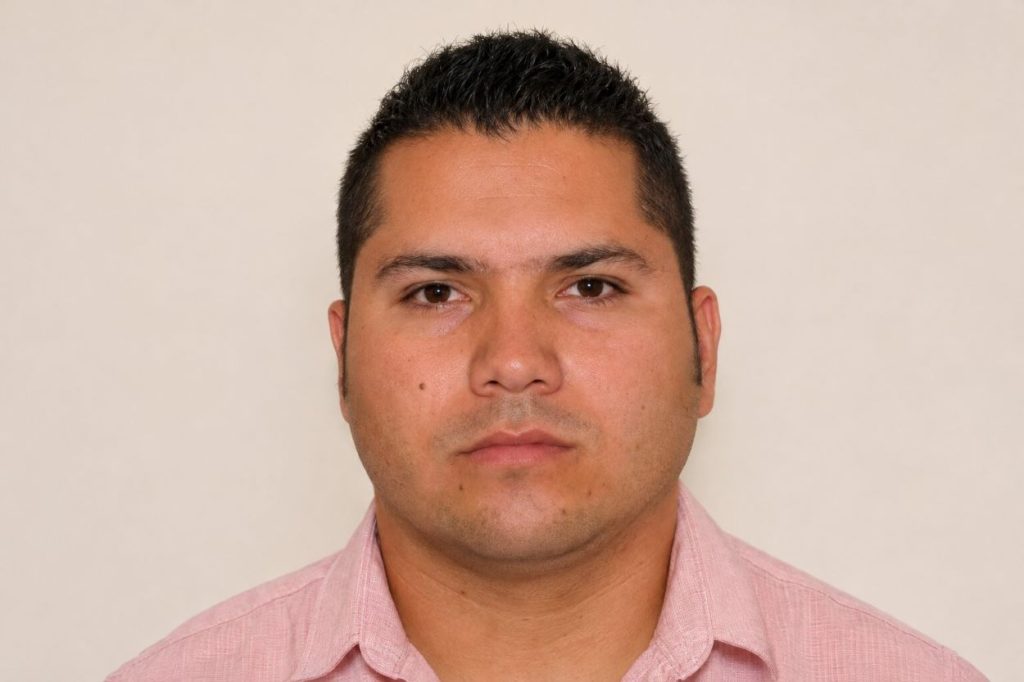
New Delhi: Mexican special forces have captured one of the FBI’s 10 most wanted fugitives, Fausto Isidro Meza Flores, better known as “El Chapo Isidro”, in a major military operation that left 11 people dead in the northwestern state of Sinaloa. His arrest, carried out with US intelligence assistance, has dealt a significant blow to an influential drug-trafficking network but has also raised fears of renewed violence as rival cartels compete for control of the region.
The 44-year-old suspected drug lord was arrested in Guasave on Friday, following an operation involving elite units of the Mexican army and national guard. According to Mexico’s defence ministry, four soldiers and seven suspected cartel gunmen were killed during clashes that erupted when heavily armed members of his organization attempted to prevent his capture.
The military operation began with special forces approaching a property where Meza Flores was believed to be hiding, using intelligence and surprise to prevent his escape. However, the troops encountered resistance involving automatic weapons and explosives, triggering prolonged gun battles that spread panic across Guasave and neighbouring municipalities.
Videos circulating online showed military helicopters firing at ground targets, burning vehicles blocking highways and civilians desperately seeking shelter as gunfire echoed through residential and commercial areas. Spectators attending a baseball match were also forced to flee, illustrating how quickly an operation against a high-value criminal suspect could disrupt civilian life.
Mexican authorities said eight suspects were detained during the operation, including Meza Flores, his alleged deputy, Germán Rolando Gálvez Meza, known as “El Serafín”, and a suspected financial operator. Security forces also recovered powerful firearms, explosives and other equipment, including a .50-calibre rifle and a grenade launcher, before transferring the principal suspects to Mexico City.
The Mexican security secretary, Omar García Harfuch, described the arrests as an important step towards restoring peace in Sinaloa, where rival criminal organizations have fought for territorial dominance. Nevertheless, security forces remained deployed across affected areas as authorities worked to remove roadblocks and prevent further retaliatory attacks.
Who is ‘El Chapo Isidro’?
Meza Flores has spent more than two decades building a criminal network that US authorities accuse of transporting large quantities of cocaine, methamphetamine, heroin, fentanyl and marijuana into the United States. According to the FBI’s official profile, he began as an independent trafficker before emerging as the leader of the Meza-Flores transnational criminal organization, also known as Los Mazatlecos.
His organization established a strong presence around Guasave, Los Mochis and mountainous areas of Sinaloa, controlling territory used for drug production, storage and transportation towards the US border. American investigators have also accused the group of kidnapping, extortion, torture and murder, including attacks against Mexican law-enforcement personnel and rival traffickers.
Meza Flores developed his influence through associations with the Beltrán Leyva criminal organization, which was once connected to the powerful Sinaloa Cartel before becoming an adversary. More recently, his network aligned itself with Los Mayos, the faction associated with Ismael “El Mayo” Zambada, as the wider cartel fractured following Zambada’s detention by US authorities in 2024.
That internal conflict has pitted Los Mayos against Los Chapitos, the faction associated with the sons of imprisoned drug kingpin Joaquín “El Chapo” Guzmán. The rivalry has caused extensive bloodshed in Sinaloa, allowing other criminal leaders, including Meza Flores, to strengthen their positions within the region’s fragmented trafficking economy.
Why Washington wanted him
The FBI placed Meza Flores on its Ten Most Wanted Fugitives list on February 4, 2025, and the US State Department offered a reward of up to $5 million for information leading to his arrest or conviction. American prosecutors had already pursued him for years, with an initial federal indictment dating back to 2012 and subsequent charges expanding the allegations against his organization.
In September 2026, US prosecutors brought additional charges against him, including narcoterrorism, money laundering, operating a continuing criminal enterprise and conspiring to provide material support to a terrorist organization. The US justice department said his organization had allegedly used extreme violence to maintain territorial control and facilitate the movement of narcotics into American markets.
The charges also reflect a broader change in Washington’s approach to Mexican organized crime following the US designation of the Sinaloa Cartel as a foreign terrorist organization in February 2025. That designation has expanded the legal and political dimensions of the anti-cartel campaign, placing greater pressure on Mexico to dismantle criminal networks operating across the shared border.
The US attorney general, Todd Blanche, welcomed the arrest as evidence of effective bilateral security cooperation, while the American ambassador to Mexico, Ronald Johnson, praised the intelligence-sharing that enabled the operation. Washington has repeatedly pressed the Mexican government to intensify action against cartels, with the US president, Donald Trump, even threatening unilateral military measures against criminal organizations operating inside Mexico.
A major arrest, but will it weaken the cartels?
For Mexico’s president, Claudia Sheinbaum, the capture represents another significant achievement in a campaign targeting powerful traffickers and the organizations responsible for widespread violence. It also offers an opportunity to demonstrate that Mexican forces can conduct complex operations against criminal leaders with American intelligence support without surrendering operational control to Washington.
However, the arrest could produce unintended consequences in Sinaloa, where criminal networks have repeatedly reorganized after the detention or killing of senior figures. Security analysts warn that removing a cartel leader without dismantling the organization’s financial networks, armed units and political connections can create leadership vacuums that encourage further violence.
Meza Flores’s detention is particularly significant because his organization had become an important ally of Los Mayos during the prolonged struggle against Los Chapitos. His removal could weaken that alliance, but it could also prompt competing factions to seize trafficking routes, recruit disaffected gunmen and consolidate control over territory previously managed by his associates.
The immediate challenge for Mexican authorities is therefore not simply to prosecute Meza Flores or facilitate a possible extradition to the United States, where he faces serious federal charges. It is to prevent another cycle of cartel fragmentation and retaliation in a state where the capture of one powerful criminal figure has often proved easier than establishing lasting security.
The events in Guasave underline the central dilemma confronting both Mexico City and Washington: high-profile arrests can disrupt major trafficking operations and demonstrate state authority, but they do not automatically destroy the criminal economies sustaining them. Whether the capture of “El Chapo Isidro” becomes a turning point in Mexico’s anti-cartel campaign will depend on what happens to his organization, its armed networks and the territory it leaves behind.