


New Delhi: Iran’s retaliatory strikes have damaged American military infrastructure across the Middle East, including radar systems, aircraft and operational facilities. The losses could affect Washington’s military capabilities in the region if fighting with Tehran resumes.
The attacks have exposed vulnerabilities in US military installations, particularly their dependence on fixed radar systems and infrastructure. These facilities are increasingly exposed to drone and missile attacks.
More than 115 drone and missile strikes claimed by Iran or Iranian-backed groups damaged or destroyed structures at 26 US military bases and other sites through August, according to an Associated Press investigation based on satellite imagery and interviews with four regional officials familiar with the damage.
Iran initially focused on systems designed to detect incoming missiles and drones. Radar installations at Camp Arifjan in Kuwait and Naval Support Activity Bahrain were hit within the first two days of the war in late February. Portable radar systems at Prince Sultan Air Base in Saudi Arabia and Muwaffaq Salti Air Base in Jordan were also targeted.
One radar system destroyed in Jordan was among just 13 operated by the US Army globally. Each system costs around $500 million, according to report. Another radar in Qatar suffered significant damage, although it remains unclear whether it was destroyed.
After targeting radar installations, Iran expanded its attacks to aircraft, warehouses and troop facilities. More than 50 successful strikes hit 18 locations with US military equipment during the first month of the war.
At Prince Sultan Air Base in Saudi Arabia, a March strike damaged the rear section of an E-3 Sentry surveillance aircraft. Two aerial refuelling tankers and other aircraft were also damaged. A Congressional Research Service report updated in October put the number of damaged US aircraft at 15.
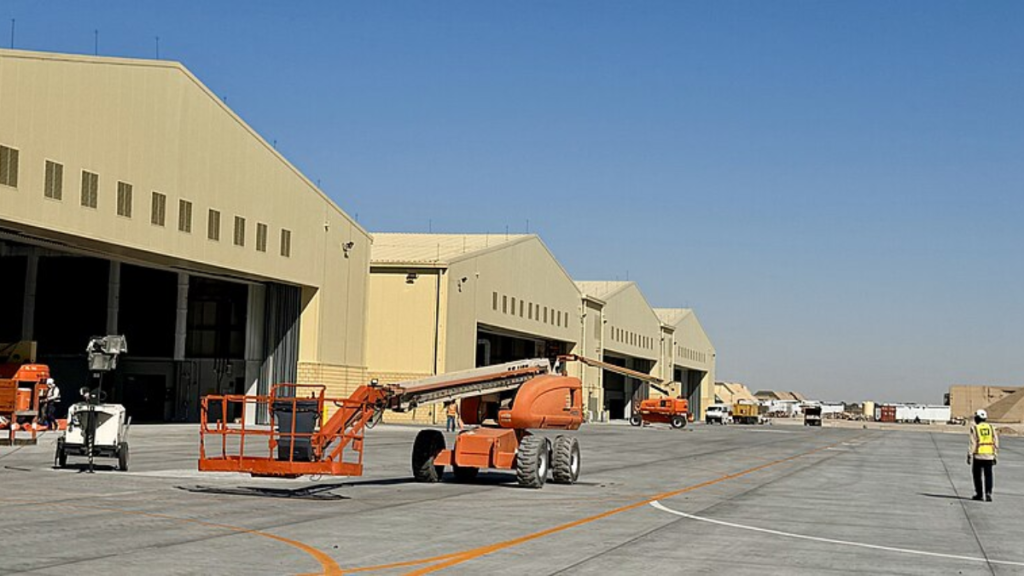
Al Dhafra Air Base in the United Arab Emirates also faced repeated attacks during the early stages of the conflict. The strikes damaged aircraft hangars, other installations, an early-warning radar system and surveillance drones.
Kuwait recorded some of the heaviest attacks on American facilities. Ali Al Salem Air Base was struck at least 30 times, damaging or destroying 15 aircraft hangars, several warehouses and 10 buildings near a residential area.
Camp Buehring in Kuwait also suffered extensive damage. Most of its aircraft hangars became unusable, while its gym was destroyed in March and a store for military personnel was hit in late July. The base’s garage and dining facility were also severely damaged.
The strikes have also affected the US military deployment across the Gulf. According to report, Washington had moved several assets out of the Persian Gulf, including aircraft, air defence systems and communications equipment.
The findings come as Iran’s supreme leader, Mojtaba Khamenei, has warned the United States and Israel against further military action. He has called for an immediate response to any threat and directed that American and Israeli assets be included in Iran’s updated list of potential targets.
The possibility of renewed hostilities has raised questions about whether Washington will rebuild its damaged facilities after the war. Restoring radar networks, aircraft infrastructure and other military equipment could involve substantial costs.
The Pentagon has maintained that American forces and bases remain well protected. However, US central command has declined to disclose details of the damage, citing operational security. According to report, Pentagon spokesman, Sean Parnell said US forces had everything needed to prevent Iran from obtaining a nuclear weapon.