


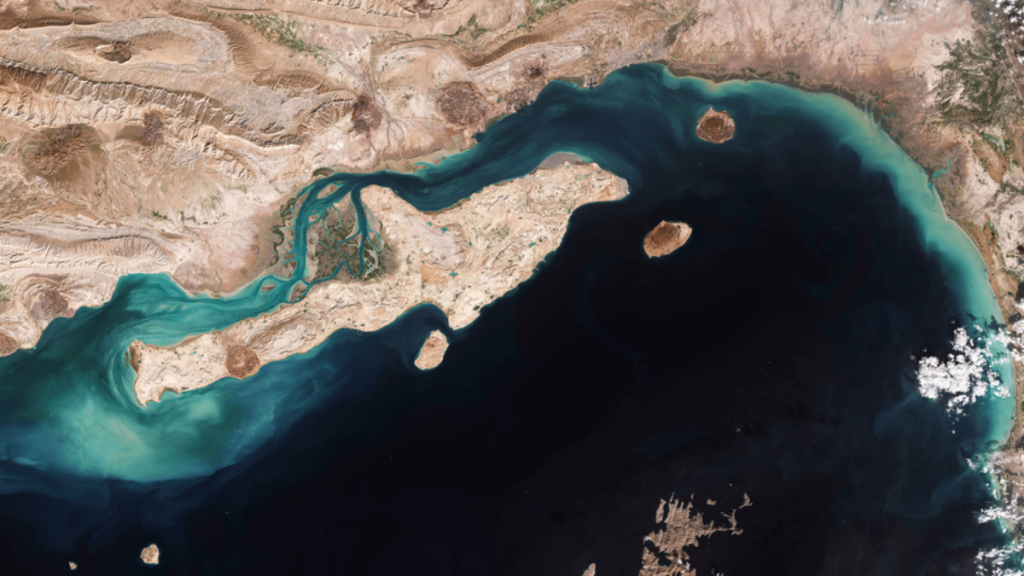
Iran, on Monday (May 18, 2026), unveiled a new regulatory regime for maritime traffic through the Strait of Hormuz, escalating the tensions with the US over freedom of navigation through the narrow waterway.
In an official X post, Tehran rolled out the new maritime traffic control mechanism, called the Persian Gulf Strait Authority (PGSA), as a framework to monitor and coordinate cargo ships to pass through the Strait of Hormuz, the world’s busiest shipping route.
Shortly after Iran announced the formation of the new body, an X account in its name with the handle @PGSA_IRAN was launched. Iran’s Supreme National Security Council reposted the announcement on the new body’s formation.
“In the Name of God. The official X account of the Persian Gulf Strait Authority (#PGSA) is now live. Follow us for real-time updates on the Hormuz Strait operations and latest developments,” the PGSA posted. The X account immediately gathered 22,000 followers, while the handle followed 12 of Iran’s top political and military leadership’s handles, including those associated with Supreme Leader Mojtaba Khamenei, Brigadier General Ali Jahan Shahi, and former Iranian Parliament Speaker Ali Larijani.
Iranian media reports said the PGSA would manage designated shipping routes and coordinate maritime traffic and allied services such as vessel movement and assistance while passing through the Strait of Hormuz.
Iran had closed the Strait of Hormuz on February 28 after the US-Israeli combine launched airstrikes on its territory that killed the then Supreme Leader Ayatollah Ali Khamenei.
Iranian parliamentarian Ebrahim Azizi, who is also the chairman of Iran’s parliamentary national security and foreign policy committee, said the mechanism was designed within Iran’s ‘national sovereignty’ powers.
In an X post, Azizi said the Strait of Hormuz would remain closed for “enemy” ships that operated under the US-led “Freedom Project.”
The PGSA, in its X post, described itself as the “legal entity and representative authority” of Iran for managing the Strait of Hormuz and shipping traffic in the narrow waterway.
It said navigation within the Iranian authorities’ boundaries would require “full coordination” with the nation’s armed forces and relevant agencies, noting that passage without permission would be deemed “illegal